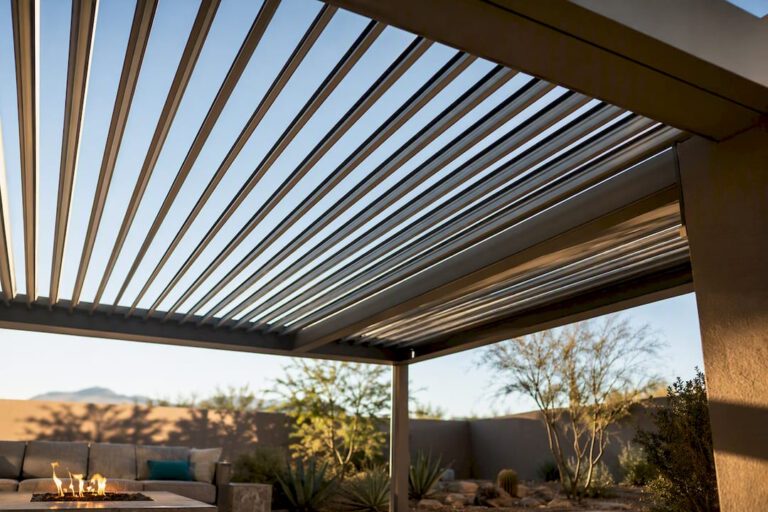
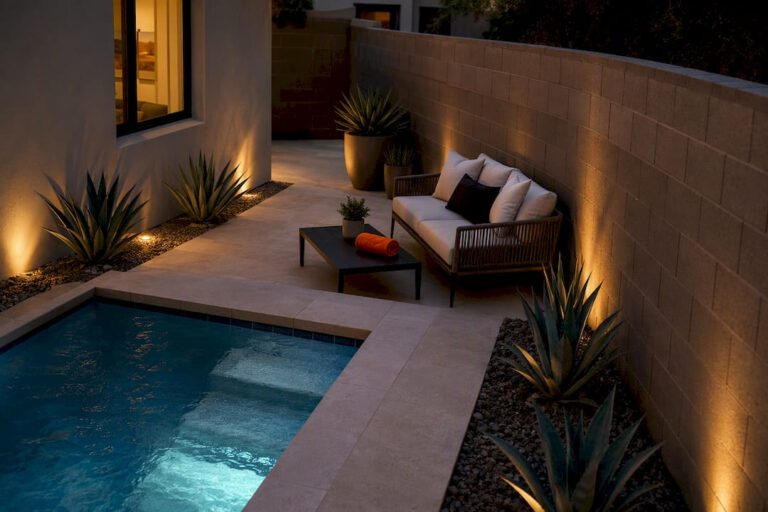
Choose a full-service contractor when you want one accountable team to handle design, permitting, procurement, and construction under a single contract. That structure eliminates the coordination gaps that derail multi-element projects and protects your budget from the hidden costs of fragmented delivery.
The core advantages of hiring full-service contractors:
- Single point of accountability. One team owns every phase, from concept drawings through punch-list closeout. No finger-pointing between separate trades when something needs to be made right.
- Faster delivery. Design-build projects are delivered 102% faster from design through completion compared to traditional design-bid-build, according to DBIA benchmarks.
- Lower cost growth. Research from the Construction Industry Institute and Penn State finds design-build delivery yields an average 6.1% cost savings versus traditional models, primarily through integrated value engineering and early coordinated procurement.
- Fewer change orders. Parallel permitting, constructability reviews, and pricing-as-you-draw lock in scope before construction begins.
- Simpler communication. One project manager, one schedule, one invoice stream.
For Phoenix-area homeowners planning pools, outdoor kitchens, or hardscape, Uniquecompanies applies this exact model locally, with in-house design, permitting, and construction managed as one integrated process.
Table of Contents
- Why full-service contractors deliver measurable advantages
- How full-service delivery differs from traditional design-bid-build
- What to expect on cost and schedule with a full-service contractor
- When a full-service contractor may not be the right fit
- How to evaluate and hire a full-service contractor
- How Uniquecompanies delivers full-service design-build in Phoenix
- Key Takeaways
- The case for integrated delivery in outdoor living projects
- Uniquecompanies brings full-service outdoor living to Phoenix homeowners
- Useful sources and further reading
Why full-service contractors deliver measurable advantages
The single-contract model does more than simplify paperwork. It changes the incentive structure of the entire project. When one team is responsible for both design and construction, late-stage value engineering that benefits the contractor at the owner’s expense becomes far less likely. The designer and builder share the same goal: deliver on budget and on schedule.
Schedule and cost performance: DBIA benchmarks show design-build projects are delivered 61% faster than construction management at-risk and 102% faster than design-bid-build, with 3.8% less cost growth than DBB across large sample studies.
Quality control is another concrete gain. Full-service firms either self-perform critical-path trades or maintain a vetted subcontractor network where relationships and standards are already established. Either way, the firm controls quality at every handoff rather than relying on separate companies to coordinate among themselves. A unified warranty and punch-list process follows naturally: one party owns the finished result.
Pro Tip: When evaluating a full-service firm, ask specifically which trades they self-perform. A contractor who self-performs excavation, concrete, and plumbing on a pool project controls the three phases most likely to cause schedule delays. That answer tells you more about their real capability than any marketing claim.
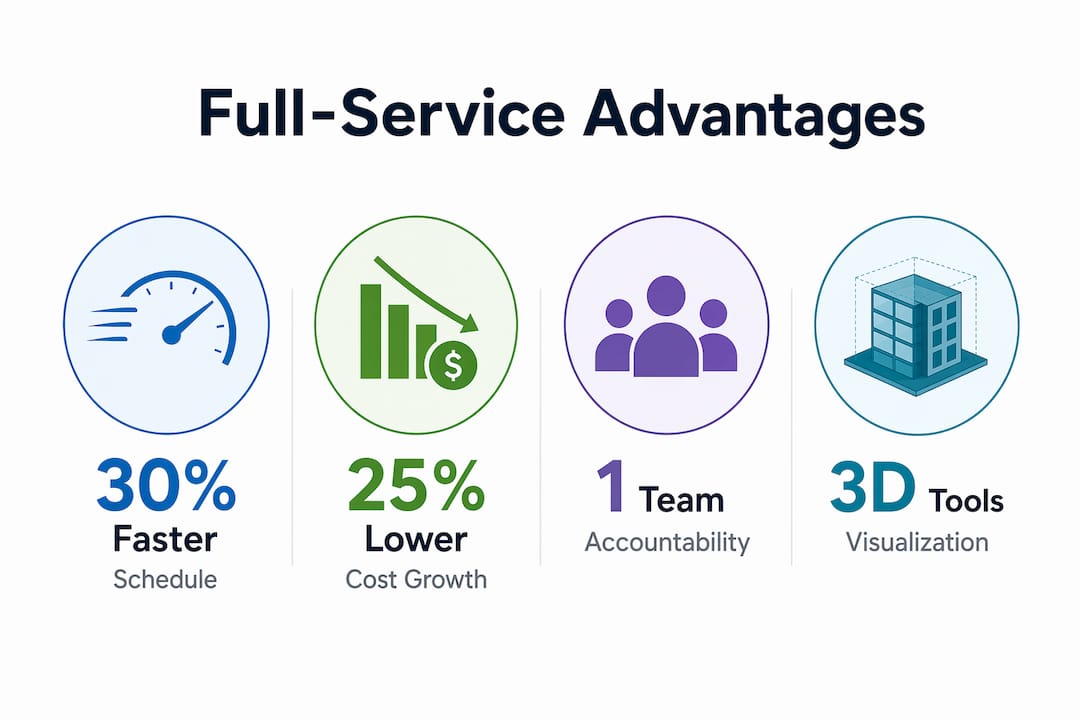
For complex outdoor living projects, 3D visualization during preconstruction is a practical extension of this integration. When the design team and construction team share the same model, scope gaps surface before a shovel hits the ground rather than mid-build.

How full-service delivery differs from traditional design-bid-build
In a traditional design-bid-build (DBB) workflow, the owner hires a designer first, receives completed construction documents, then solicits competitive bids from separate contractors. The builder enters the project after design is finished, with no input on constructability, procurement timing, or budget alignment during the design phase. Any conflicts between the drawings and field conditions become change orders.
Full-service design-build inverts that sequence. The builder joins the project at the design stage, which allows design and construction to overlap rather than run sequentially. Permits can be submitted on completed portions of the design while other elements are still being drawn. Long-lead materials, such as custom pool equipment or specialty stone, can be ordered before the full construction set is finalized.
Delivery method comparison: CII/DBIA comparative benchmarks across studies from 1998 through 2018 consistently show design-build projects outperform DBB on both schedule and cost growth metrics.
The structural differences that matter most to owners:
| Dimension | Full-service design-build | Traditional design-bid-build |
|---|---|---|
| Contract structure | Single contract, one accountable party | Separate design and construction contracts |
| Builder involvement | Joins at design phase | Joins after design is complete |
| Schedule overlap | Design and construction run in parallel | Sequential phases only |
| Change order risk | Lower — constructability reviewed during design | Higher — field conflicts discovered post-bid |
| Accountability | One team owns the result | Disputes between designer and contractor are common |
When choosing a delivery method, the decision factors are project complexity, timeline urgency, procurement rules (public projects often require competitive low-bid), and whether the owner wants to retain independent design control. Full-service delivery performs best when multiple elements must integrate and speed matters.
What to expect on cost and schedule with a full-service contractor
The cost and schedule advantages of full-service delivery come from three specific mechanisms: parallel work, early procurement, and constructability reviews. Understanding each helps owners read proposals more critically.
Parallel work means permits, long-lead ordering, and site preparation can begin while design is still being finalized on other elements. For a backyard project that includes a pool, outdoor kitchen, and hardscape, this can compress the overall schedule by weeks.

Early procurement locks in material pricing before market fluctuations affect the budget. A full-service firm that orders pool equipment and specialty pavers during the design phase avoids the price exposure a DBB contractor faces when bidding after design is complete.
Constructability reviews catch conflicts between the architectural intent and field reality before construction begins, which is the primary driver of the cost savings the CII/Penn State research documents.
Pro Tip: When reviewing a full-service proposal, look for the contingency line and the change-order clause. A well-structured GMP (guaranteed maximum price) contract caps your exposure and returns unused contingency to you at closeout. A cost-plus contract with a loose change-order clause shifts risk back to the owner. Ask for sample contract language before you sign.
Typical timeline for a mid-size outdoor living project (pool, patio, outdoor kitchen):
- Discovery and programming: 1–2 weeks
- Design and 3D visualization: 3–5 weeks
- Permitting and approvals: 4–8 weeks (varies by jurisdiction)
- Procurement and long-lead ordering: Runs concurrently with permitting
- Construction: 10–16 weeks depending on scope
- Punch list and closeout: 1–2 weeks
For Arizona projects specifically, project management sequencing accounts for summer heat windows and monsoon season, which affects concrete pours and planting schedules. A contractor unfamiliar with Phoenix-area conditions may not build those constraints into the schedule at all.
When a full-service contractor may not be the right fit
Full-service delivery adds the most value when project complexity is high and multiple elements must integrate. For simpler scopes, the overhead of a full design-build process may not be justified.
Pro Tip: Use this quick checklist before committing to a full-service firm. If you answer “no” to most of these, a specialist contractor may serve you better.
- Does the project involve three or more interacting elements (pool, hardscape, kitchen, lighting, irrigation)?
- Is timeline compression a priority?
- Do you lack experience managing multiple trade contractors simultaneously?
- Are there no public procurement rules requiring competitive low-bid?
- Is the project scope complex enough that design decisions will affect construction sequencing?
Situations where a full-service approach may add unnecessary cost or complexity:
- Single-trade repairs (resurfacing an existing pool, replacing a patio section). One specialist handles this more efficiently.
- Public projects with mandatory low-bid procurement. The Federal Highway Administration notes that design-build raises procurement concerns in public contexts where competitive bidding is required by law.
- Owner-designed projects. If you already have completed construction documents and want competitive pricing, a traditional bid process may yield better results.
The cost-benefit threshold for full-service delivery is roughly this: the more elements that must fit together, the more the coordination overhead of separate contractors outweighs any savings from competitive bidding. A pool plus a patio plus an outdoor kitchen plus lighting and irrigation is exactly the scenario where a single accountable team pays for itself.
How to evaluate and hire a full-service contractor
Prequalification and proposal review are where most owners make their biggest mistakes. The following checklist and questions give you a structured way to compare firms objectively.
Prequalification checklist
- Verify licensing and insurance. Confirm the contractor holds a current state license for the relevant trades (general contracting, pool construction, electrical) and carries general liability plus workers’ compensation.
- Confirm design-build experience. Ask for examples of projects where the firm managed design, permitting, and construction under one contract. DBIA membership or certification is a meaningful credential.
- Clarify self-performed vs. subcontracted trades. Which trades does the firm employ directly? Which are subcontracted, and how are those subcontractors vetted and managed?
- Request sample contract language. Ask for a sample GMP or lump-sum contract and review the change-order clause, contingency structure, and warranty terms before the proposal stage.
- Check references for projects of similar complexity. Ask specifically about how the firm handled scope changes, schedule delays, and warranty claims.
Interview questions that reveal process quality
- How do you handle value engineering requests, and at what point in the process?
- Who manages permitting, and do you have in-house staff for that or do you use a third-party expediter?
- Which trades do you self-perform, and which do you subcontract?
- How are change orders priced, documented, and approved?
- What does your punch-list and closeout process look like?
Proposal comparison framework
When comparing proposals, look beyond the bottom-line number. Review scope completeness (what is explicitly excluded), allowance structures (are allowances realistic or low to win the bid?), schedule milestones, payment schedule alignment with construction progress, and post-completion warranty coverage.
Early planning decisions about scope and budget have a disproportionate effect on final cost. Firms that invest time in preconstruction alignment, as CII/DBIA research confirms, produce better outcomes on both schedule and cost.
How Uniquecompanies delivers full-service design-build in Phoenix
Uniquecompanies has been designing and building luxury outdoor living environments in the Phoenix metropolitan area for over 24 years. The firm handles every phase in-house: discovery and programming, 3D visualization, permitting and approvals, procurement, construction, and punch-list closeout. That structure maps directly to the single-accountability model the research supports.
The process follows a defined sequence:
- Discovery: Site assessment, program definition, and budget alignment before any design work begins.
- 3D visualization and design: Clients review a photorealistic model of the finished space, which surfaces scope conflicts and preference changes before construction documents are finalized.
- Permitting and approvals: Handled in-house, with knowledge of local jurisdiction requirements in Scottsdale, Chandler, Queen Creek, and surrounding Phoenix-area municipalities.
- Procurement: Long-lead items, including custom pool equipment and specialty hardscape materials, are ordered during the permitting phase to prevent construction delays.
- Construction: Self-performed and tightly managed subcontracted trades work from a unified site plan, eliminating the inter-trade conflicts that drive rework on fragmented projects.
- Punch list and warranty: One team owns closeout and post-completion support.
“When every element of a backyard, pool, hardscape, outdoor kitchen, lighting, and irrigation is designed and built by one team working from one plan, the finished space looks and functions the way it was intended. That cohesion is what separates a well-executed project from a backyard that was assembled in pieces.”
The firm’s integrated backyard design approach and Arizona climate expertise are particularly relevant for projects where summer construction windows, monsoon drainage, and heat-tolerant material selection affect both design and long-term durability. For outdoor living projects across the Phoenix area, that local knowledge is a practical advantage, not just a marketing point.
Key Takeaways
Full-service design-build contractors deliver measurably faster schedules, lower cost growth, and clearer accountability than fragmented multi-contractor approaches, making them the right choice for any project where multiple elements must integrate.
| Point | Details |
|---|---|
| Single accountability | One contract, one team, one party responsible for design, permitting, and construction from start to finish. |
| Schedule and cost advantage | DBIA benchmarks show design-build is delivered 102% faster than DBB; CII/Penn State research documents an average 6.1% cost savings. |
| When to choose it | Best fit for multi-element projects (pool, hardscape, kitchen, lighting) where coordination complexity is high and timeline matters. |
| When to skip it | Single-trade repairs, public low-bid projects, or owner-designed scopes with completed construction documents. |
| Uniquecompanies | A Phoenix-area full-service design-build firm with 24+ years of experience handling pools, outdoor kitchens, and hardscape under one integrated process. |
The case for integrated delivery in outdoor living projects
Most of the debate about full-service versus traditional contracting focuses on large commercial projects. For residential outdoor living, the stakes are just as real, and the failure mode is more personal. A backyard that looks disjointed, drains incorrectly, or has a patio that doesn’t transition cleanly to the pool deck is a daily reminder of a coordination failure that happened months earlier.
What the research actually shows is that the performance gap between design-build and traditional delivery is not primarily about the contract structure. It is about when the builder joins the project. Early involvement allows the construction team to shape design decisions with real-world knowledge of material costs, lead times, and site conditions. That input is what prevents the expensive surprises that show up as change orders later.
For complex outdoor living projects specifically, the integration of pools, hardscape, outdoor kitchens, and landscape elements requires a level of site coordination that separate contractors rarely achieve. Grade and drainage decisions made for the pool affect where the patio sits, which affects where the kitchen can be located, which affects how lighting and irrigation are routed. A team that plans all of those elements together from the start avoids the rework that happens when each specialist optimizes only their own scope.
The practical implication: if your project involves more than one interacting element, the question is not whether to use a full-service contractor. It is which one to choose and how to verify their process is genuinely integrated rather than just marketed as such.
Uniquecompanies brings full-service outdoor living to Phoenix homeowners
For homeowners in Scottsdale, Chandler, Queen Creek, and the broader Phoenix metro, Uniquecompanies offers a complete design-build path for high-end outdoor projects, from custom pool features and spa installations to outdoor kitchens and hardscape. Every project is managed under one contract, with in-house design, permitting, and construction handled by a team that has worked in Arizona’s climate for over two decades.
The firm’s unique design process includes 3D visualization so you can review and refine the finished space before construction begins, which is one of the most effective ways to reduce change orders and align expectations early. If you’re ready to move from concept to a concrete proposal, contact Uniquecompanies to schedule a discovery meeting and see how a fully integrated approach applies to your specific project.
Useful sources and further reading
- Design-Build Institute of America (DBIA) — The primary industry body for design-build delivery. Publishes performance benchmarks showing schedule and cost advantages over traditional delivery methods.
- CII/Penn State Cost Performance Research (DBIA) — Comparative study revisiting design-build performance data from 1998 through 2018. Documents cost growth and schedule metrics across large project samples.
- Revisiting Project Delivery Performance (Washington State DOT/CII) — State-level application of CII/DBIA research. Identifies early team formation and preconstruction rigor as the primary drivers of performance differences.
- FHWA Design-Build Effectiveness Study — Federal documentation of design-build effectiveness for large capital projects, including conditions where it raises procurement concerns. Useful for understanding public-project limitations.
- Construction Industry Institute (CII) — Research organization whose studies on integrated project delivery and value engineering underpin the cost-savings benchmarks cited throughout this article.
- GC Signature Outdoors: Design-Build Outdoor Living — Regional example of design-build applied to outdoor living projects, illustrating how the integrated delivery model works across different markets.
Recommended
- Tips for Choosing the Right Company for your Project – Unique Companies
- Only UNIQUE Companies Offer One-Stop Shopping For All Your Outdoor Needs – Unique Companies
- Why local outdoor contractors are the smart choice for Phoenix homes
- What EVERY Consumer Must Know Before Selecting Any Contractor – Unique Companies