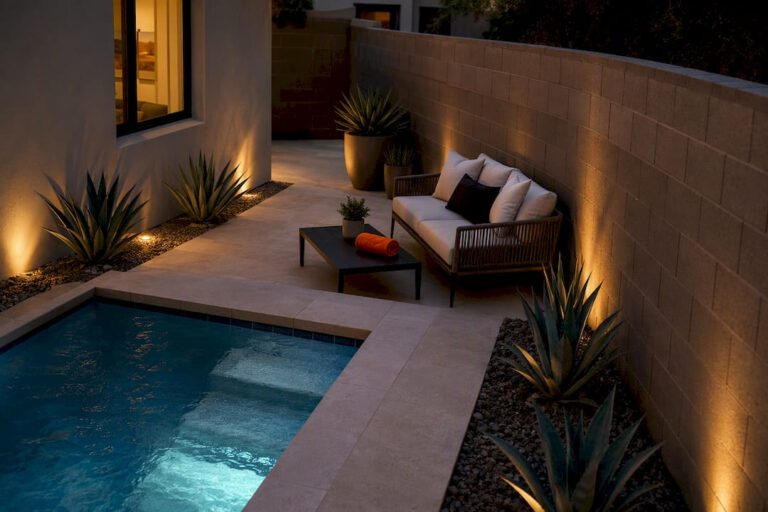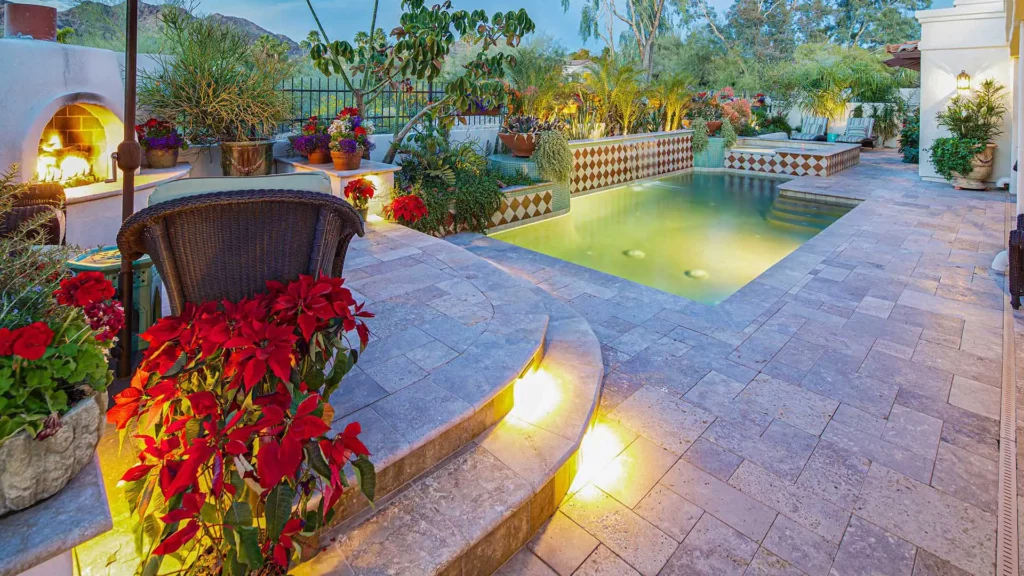
Transforming your backyard with professional landscape lighting not only enhances its aesthetic appeal but also increases safety and functionality. This comprehensive guide will delve into the various aspects of landscape lighting, including its design principles, benefits, and installation processes. Readers will learn how to effectively illuminate their outdoor spaces, making them more inviting and secure. Many homeowners struggle with inadequate outdoor lighting, which can lead to safety hazards and diminished property value. By investing in professional landscape lighting, you can create a beautiful and safe environment for family and friends. This article will cover the key reasons to choose professional landscape lighting, essential design principles, popular lighting ideas, the impact of smart technology, installation considerations, and the latest trends for 2024.
Why Choose Professional Landscape Lighting for Your Backyard?
Professional landscape lighting offers numerous benefits that can significantly enhance your outdoor space. It not only improves the visual appeal of your backyard but also provides safety and security advantages. By strategically placing lights, you can highlight architectural features, gardens, and pathways, creating a warm and inviting atmosphere. Additionally, well-lit outdoor areas deter potential intruders, making your home safer. Investing in professional landscape lighting can also increase your property value, as homes with attractive outdoor lighting are often more appealing to buyers.
How Does Landscape Lighting Enhance Backyard Aesthetics and Curb Appeal?
Landscape lighting plays a crucial role in enhancing the aesthetics of your backyard. By illuminating key features such as trees, shrubs, and pathways, you create a visually stunning environment that can be enjoyed day and night. For instance, uplighting can accentuate the height and beauty of trees, while downlighting can create a soft glow over patios and seating areas. Studies indicate that homes with well-designed outdoor lighting can see an increase in curb appeal, making them more attractive to potential buyers.
What Safety and Security Advantages Does Outdoor Lighting Provide?
Outdoor lighting is essential for safety and security in your backyard. Properly lit pathways and entrances reduce the risk of accidents, such as trips and falls, especially during nighttime. Moreover, bright lighting acts as a deterrent to crime, as well-lit areas are less appealing to intruders. By investing in professional landscape lighting, you not only enhance the beauty of your home but also create a safer environment for your family and guests.
Beyond deterring crime, the psychological impact of well-designed outdoor lighting significantly contributes to a sense of well-being and security.
Outdoor Lighting’s Impact on Safety & Experience
This thesis considers outdoor lighting as a fundamental factor affecting environmental experiences after dark. It explores the restorative potential of outdoor lighting within the framework provided by attention restoration theory (ART). Also, perceived safety and preference variables are included in the research work. These factors may have a major effect on outdoor space use after dark and on the level of satisfaction with the neighbourhood in which a person lives.
Perceptions of lighting, perceived restorativeness, preference and fear in outdoor spaces, 2013
What Are the Key Principles of Professional Landscape Lighting Design?
Understanding the key principles of landscape lighting design is essential for creating an effective lighting plan. These principles include layering light, creating focal points, and considering safety. A well-designed lighting scheme incorporates various types of lighting, such as ambient, task, and accent lighting, to achieve a balanced and functional outdoor space.
Which Lighting Techniques Are Essential for Outdoor Backyard Spaces?
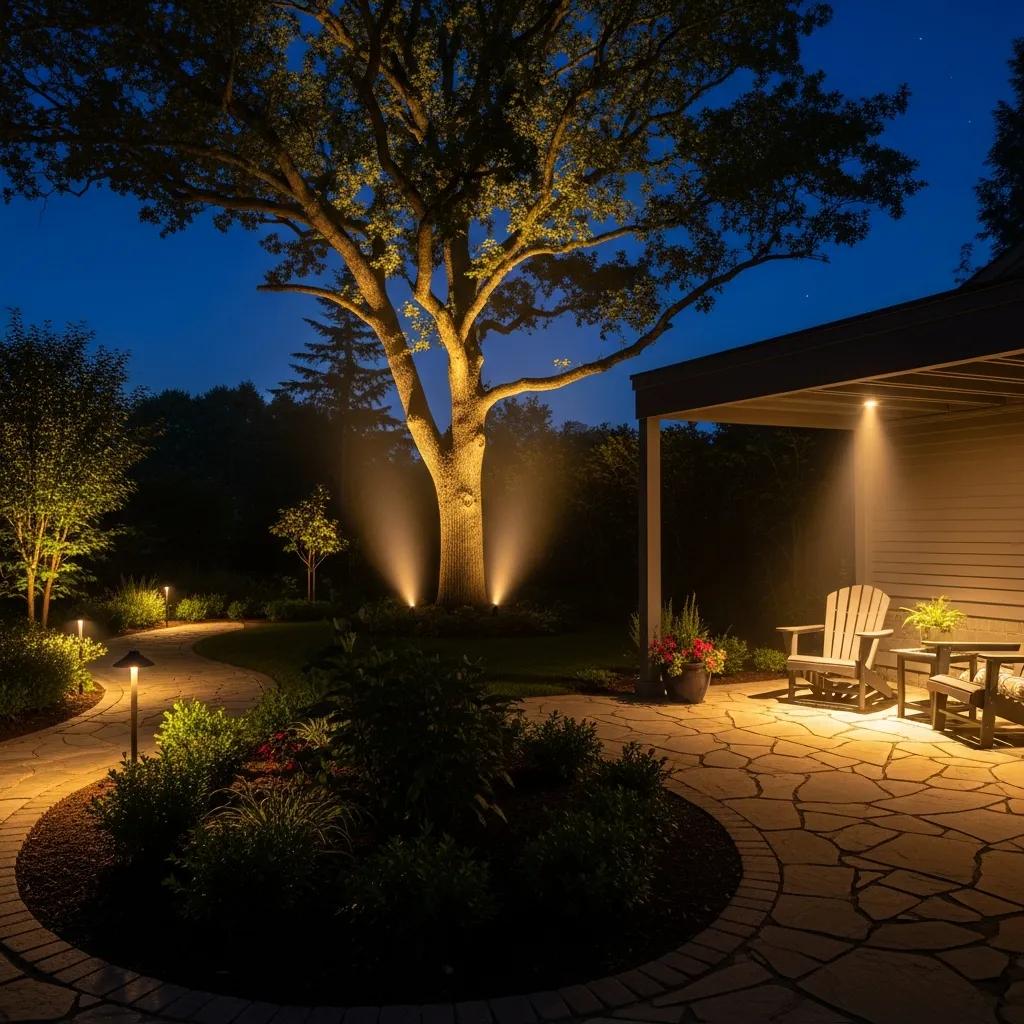
Several lighting techniques are essential for effective outdoor lighting design. Uplighting is commonly used to highlight trees and architectural features, while downlighting creates a natural moonlight effect over patios and walkways. Pathway lighting is crucial for guiding guests safely through your yard, and spotlights can draw attention to specific features, such as sculptures or water features. By employing these techniques, you can create a dynamic and inviting atmosphere in your backyard.
How to Choose the Right Fixtures: LED, Low Voltage, and Materials?
Selecting the right fixtures is vital for achieving the desired effect in your landscape lighting design. LED lights are popular due to their energy efficiency and long lifespan, making them a cost-effective choice. Low voltage lighting systems are also recommended for residential use, as they are safer and easier to install. When choosing materials, consider durability and weather resistance to ensure your fixtures withstand the elements while maintaining their aesthetic appeal.
What Are Popular Outdoor Backyard Lighting Ideas and Applications?
There are numerous creative ways to incorporate lighting into your backyard design. From illuminating pathways to highlighting water features, the possibilities are endless. Here are some popular ideas to consider:
- Pathway Lighting: Use low-level lights to guide guests safely along walkways.
- Deck and Patio Lighting: Install recessed lights or string lights to create a cozy atmosphere for outdoor gatherings.
- Water Feature Lighting: Highlight fountains or ponds with underwater lights to create a stunning visual effect at night.
How to Illuminate Pathways, Trees, and Shrubs Effectively?
Effective illumination of pathways, trees, and shrubs requires careful planning and execution. For pathways, consider using low-level lights spaced evenly to provide consistent lighting. Trees can be illuminated using uplighting techniques, which accentuate their height and beauty. For shrubs, downlighting can create a soft glow that enhances their natural shape and texture. By combining these techniques, you can create a well-lit landscape that is both functional and beautiful.
What Are Best Practices for Deck, Patio, and Water Feature Lighting?
When lighting decks, patios, and water features, it’s essential to follow best practices to achieve the best results. For decks and patios, consider using a combination of ambient and task lighting to create a welcoming atmosphere. Use dimmers to adjust the brightness according to the occasion. For water features, underwater lights can create a magical effect, while surface-mounted lights can highlight the surrounding area. Always ensure that all fixtures are rated for outdoor use to withstand the elements.
How Does Smart Technology Transform Landscape Lighting?
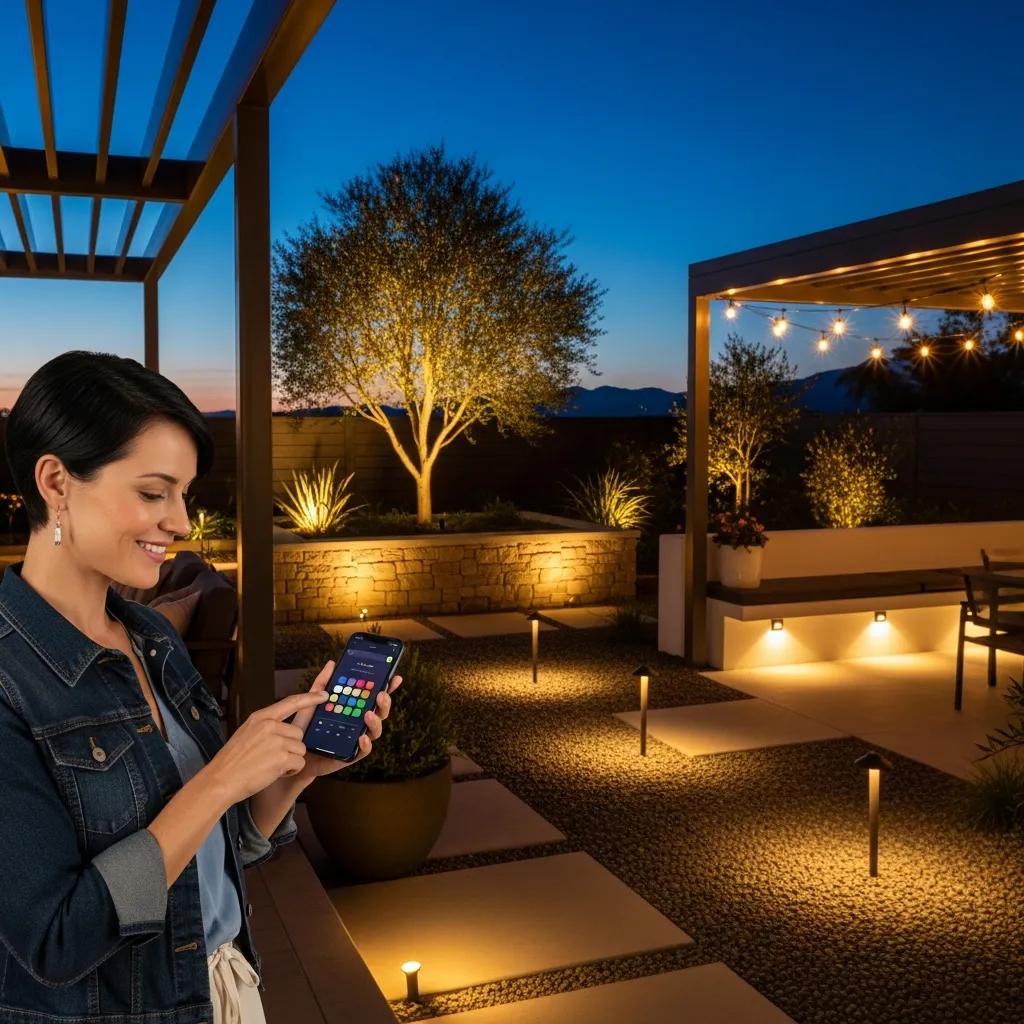
Smart technology is revolutionizing landscape lighting by offering enhanced control and customization options. With smart lighting systems, homeowners can easily adjust brightness, color, and timing through their smartphones or voice-activated devices. This technology not only adds convenience but also allows for energy savings by scheduling lights to turn on and off as needed.
What Are the Benefits of Smart Lighting Systems and Automation?
Smart lighting systems provide numerous benefits, including convenience, energy efficiency, and enhanced security. Homeowners can control their outdoor lighting from anywhere, ensuring that their property is well-lit even when they are away. Additionally, automated systems can be programmed to mimic occupancy, deterring potential intruders. The ability to customize lighting settings also allows for a more personalized outdoor experience.
How Do Color-Changing and Tunable White Lights Enhance Outdoor Spaces?
Color-changing and tunable white lights offer versatility in outdoor lighting design. These lights can be adjusted to create different moods and atmospheres, making them ideal for various occasions. For example, warm white light can create a cozy ambiance for gatherings, while cooler tones can enhance the modern aesthetic of a contemporary home. This flexibility allows homeowners to adapt their outdoor lighting to suit their needs and preferences.
Further research highlights how the strategic use of color in lighting can profoundly influence both the aesthetic appeal and the perceived safety of outdoor environments.
Landscape Lighting Color for Aesthetics & Safety
landscape architects how to use colors in lighting to improve the aesthetic quality and perceived safety of outdoor spaces. This study investigates the effects of different color modes in lighting on the aesthetic preference and perceived safety during the evening.
EFFECTS OF COLOR IN LIGHTING ON AESTHETIC PREFERENCE AND PERCIEVED SAFETY DURING THE EVENING., 2022
What Should You Know About Professional Installation and Costs?
When considering landscape lighting, professional installation is highly recommended. Experienced professionals can ensure that your lighting design is executed correctly and safely, maximizing the benefits of your investment. Understanding the costs associated with installation can help you budget effectively for your project.
Why Is Professional Installation Recommended Over DIY?
Professional installation is recommended for several reasons. First, experts have the knowledge and experience to design a lighting plan that meets your specific needs while adhering to safety standards. Additionally, they can navigate any potential challenges, such as electrical work or local regulations, ensuring a smooth installation process. Finally, professional installation often comes with warranties, providing peace of mind for your investment.
What Are Typical Landscape Lighting Installation Costs and Factors?
The cost of landscape lighting installation can vary based on several factors, including the size of your yard, the complexity of the design, and the types of fixtures used. On average, homeowners can expect to pay between $2,000 and $4,500 for a complete installation. Factors that influence the cost include the number of fixtures, the type of lighting system (e.g., low voltage vs. line voltage), and any additional features such as smart technology integration.
Understanding the components that contribute to these costs is crucial for both homeowners and designers.
Landscape Lighting Installation Costs & Design
Installation costs include the contractor’s labor to install all the components of the lighting system, such as fixtures, wiring, transformers, and controls. The designer needs to make informed decisions regarding these costs to ensure a successful landscape lighting project.
Quality Lighting’s Landscape Lighting Plan to Guide the Sales Force Into Successful Sales, 1995
This table illustrates the typical costs associated with landscape lighting installation, helping homeowners make informed decisions about their projects.
What Are the Latest Trends in Landscape Lighting for 2024?
As we look ahead to 2024, several trends are emerging in landscape lighting design. These trends focus on sustainability, smart technology, and innovative design solutions that enhance outdoor spaces.
How Are Wellness Lighting and Circadian Rhythms Influencing Outdoor Design?
Wellness lighting, which considers the impact of light on human health, is becoming increasingly popular in outdoor design. By incorporating circadian rhythm-friendly lighting, homeowners can create environments that promote well-being and relaxation. This approach involves using warm, soft lighting in the evening to mimic natural light patterns, helping to regulate sleep and improve overall health.
What Innovations Are Emerging in Discreet Fixture Design and Smart Integration?
Innovations in discreet fixture design are allowing for more seamless integration of lighting into outdoor spaces. Sleek, low-profile fixtures can be installed in pathways, gardens, and even walls, providing illumination without detracting from the natural beauty of the landscape. Additionally, advancements in smart technology are enabling homeowners to control their lighting systems more efficiently, enhancing both functionality and aesthetics.