TL;DR:
- Luxury outdoor living in Arizona combines climate-responsive design, upscale materials, and amenities that allow year-round use. Incorporating features like large glass doors, resort-style pools, outdoor kitchens, and shade structures ensures spaces are both functional and elegant in the desert climate. Proper planning of layout, materials, and automation enhances usability, safety, and aesthetic appeal while respecting Arizona’s sun and heat patterns.
Luxury outdoor living in Arizona is defined by the integration of climate-responsive architecture, upscale materials, and resort-caliber amenities that create usable, elegant spaces for most of the year. Unlike cooler climates, Arizona demands design decisions that account for intense sun, triple-digit summer temperatures, and low humidity. Well-designed outdoor spaces can be used 8 to 9 months per year, with morning and evening use extending even through summer. That kind of year-round utility is what separates a true luxury outdoor environment from a backyard that looks good in photos but sits empty from june through september. This luxury outdoor living checklist covers every major element Arizona homeowners need to plan, budget, and build a high-performing outdoor space.
1. What are the must-have features in a luxury outdoor living checklist?
A complete outdoor living upgrade checklist for Arizona starts with features that address both comfort and aesthetics. The list below reflects what luxury Arizona outdoor design consistently prioritizes.
- Large pivot or sliding glass doors that create seamless indoor-outdoor flow and match interior flooring materials
- Covered patio or ramada sized and oriented to block afternoon sun while allowing airflow
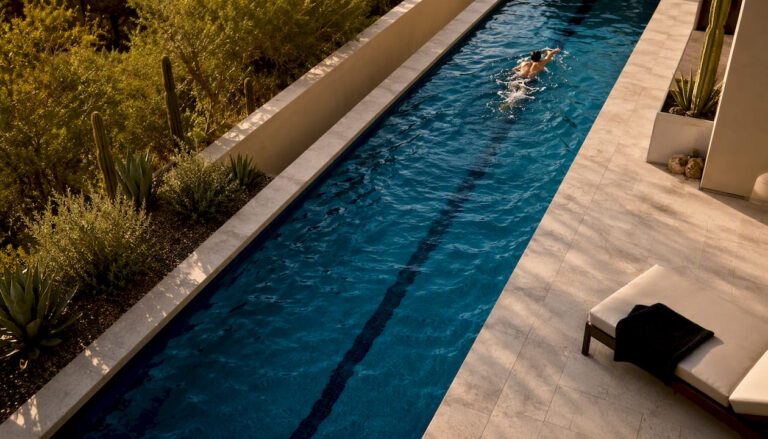
- Resort-style pool with features such as a Baja shelf, negative edge, or integrated spa
- Fully equipped outdoor kitchen with a built-in grill, refrigeration, and durable countertops
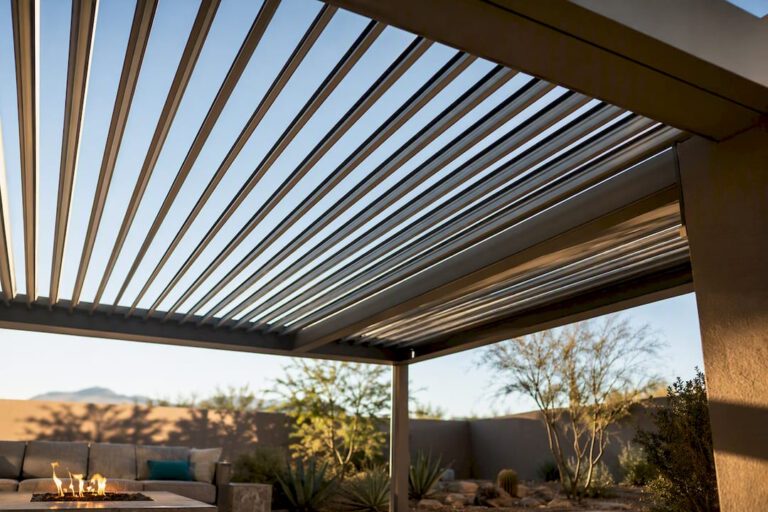
- Motorized pergola or shade sail for adjustable sun control throughout the day
- Misting system integrated into the patio structure for evaporative cooling
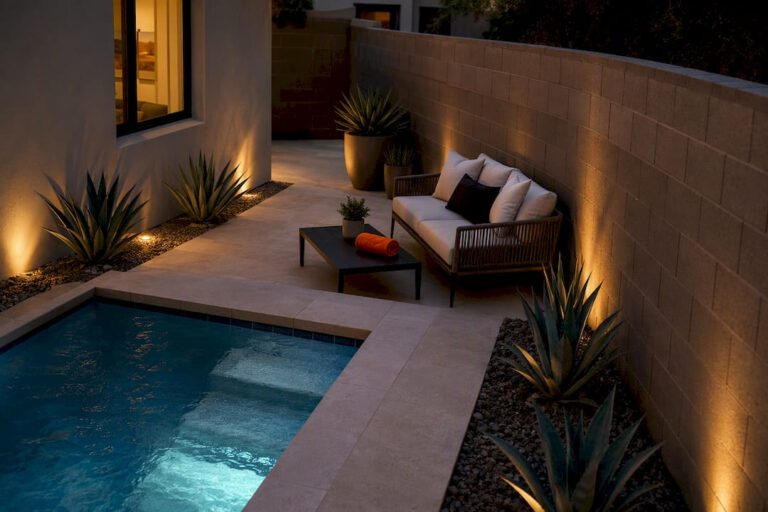
- Layered lighting system covering pathways, architectural features, and pool illumination
- Fire feature such as a gas fire pit or fireplace for evening ambiance and cooler months
- Desert-adapted landscaping using drought-tolerant plants and water-efficient irrigation
- Smart home automation controlling lighting, irrigation, misting, and shading from one interface
Each of these elements contributes to a space that functions as a true second living room. The goal is not to replicate a tropical resort but to build something that performs in Arizona’s specific climate.
2. How to design outdoor kitchens as a core luxury feature
An outdoor kitchen is the single feature that most consistently increases both daily use and resale value in high-end Arizona homes. Built-in grills, pizza ovens, refrigerators, and luxury finishes are the standard expectation in Scottsdale and Paradise Valley builds. Basic kitchen installations run $28,000 to $55,000, while fully custom luxury kitchens reach $180,000 in premium markets. That range reflects the difference between a grill island with a mini-fridge and a full outdoor culinary station with a pizza oven, ice maker, warming drawer, and custom stone cladding.
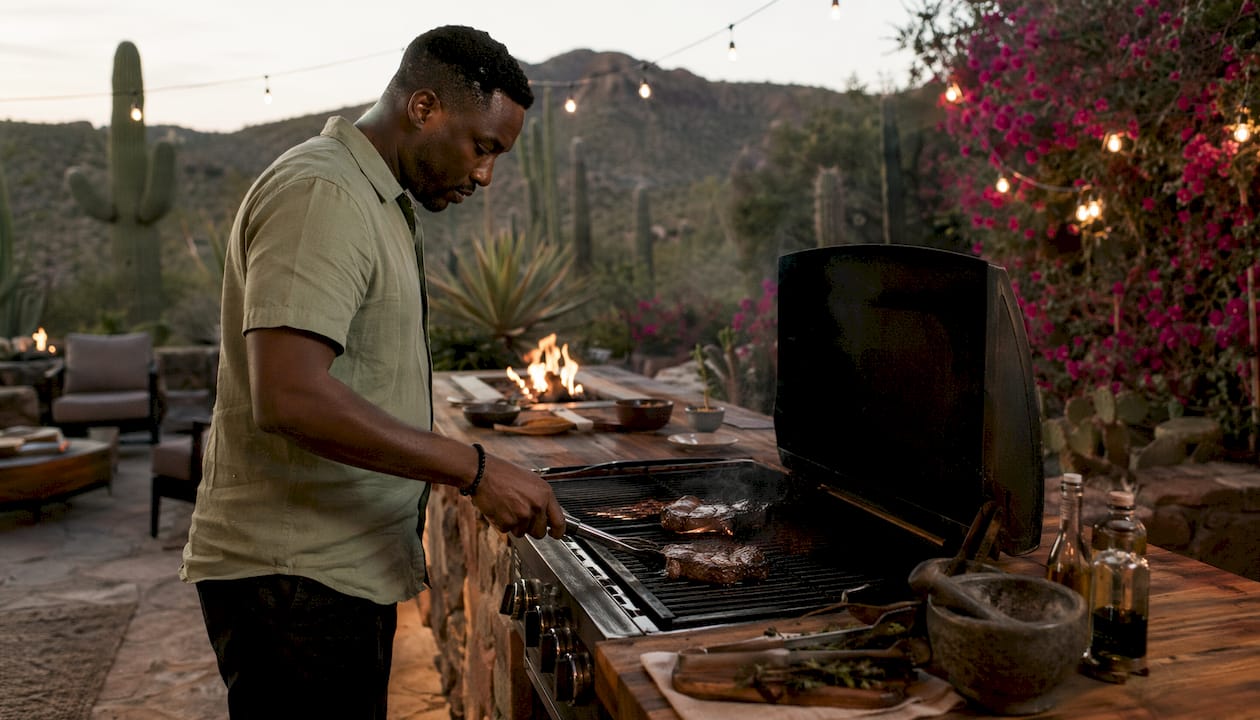
The most functional outdoor kitchens are designed as true extensions of the home, not afterthoughts bolted onto a patio. Counter orientation matters: placing the cooking surface so the chef faces guests rather than a wall changes how the space is used. Materials must withstand UV exposure and heat cycling. Stainless steel, concrete countertops, and porcelain tile all perform well in Arizona conditions. Avoid natural stone that absorbs heat and becomes uncomfortable to touch by midday.
Pro Tip: Design your outdoor kitchen under a covered structure with at least 10 feet of ceiling clearance. This reduces heat buildup from the grill and makes the space usable even on warm evenings.
For homeowners ready to plan their layout, custom outdoor kitchen options from Uniquecompanies show how professional-grade appliances integrate with Arizona-specific structural requirements.
3. Pool design and placement for Arizona luxury homes
A pool is the centerpiece of most Arizona luxury backyards, but placement determines whether it gets used or avoided. North and east-facing pool areas avoid harsh afternoon sun in summer, which keeps water temperatures more comfortable and reduces glare during peak hours. Standard pools cost $55,000 to $75,000, with additional costs for difficult terrain or premium features. That baseline rises quickly when you add a negative edge, Baja shelf, grotto, or integrated spa.
Popular resort-style pool features include negative-edge designs that create a visual drop at the pool’s edge, Baja shelves for shallow lounging, and integrated spas that share the pool’s heating and filtration system. Each feature adds cost but also adds daily usability. A Baja shelf, for example, allows young children and adults to sit in shallow water during peak heat hours without fully swimming.
Pool safety compliance is non-negotiable in Arizona. Many Arizona municipalities mandate self-closing and self-latching gates as part of pool barrier requirements. Designing these safety features into the layout from the start produces better aesthetics than retrofitting them after construction. HOA rules in communities like Scottsdale’s DC Ranch or Chandler’s Fulton Ranch add another layer of approval requirements that affect fence materials, pool equipment screening, and lighting visibility.
4. Shade structures that make Arizona patios functional
Shade is not a luxury add-on in Arizona. It is the primary factor that determines whether a patio gets used. The right structure depends on your budget, HOA rules, and how much flexibility you want in sun control.
| Structure Type | Cost Range | Maintenance | HOA Approval Needed |
|---|---|---|---|
| Alumawood patio cover | $8,000–$22,000 | Low | Sometimes |
| Wood or steel ramada | $18,000–$55,000 | Moderate | Usually required |
| Motorized pergola | $15,000–$40,000 | Low | Sometimes |
| Retractable awning | $3,000–$12,000 | Low | Rarely |
| Cantilever shade sail | $2,000–$8,000 | Low | Rarely |
Alumawood patio covers offer a balance of durability and affordability, making them the most common choice in Phoenix-area luxury builds. Wood and steel ramadas cost significantly more but deliver a premium aesthetic that complements high-end architecture. Motorized pergolas add the most flexibility, allowing you to open the structure on mild days and close it during peak sun hours.
Orientation is as important as the structure itself. Overhangs sized 18–24 inches per foot of wall height, combined with airflow corridors, significantly reduce radiant heat under covered areas. A south-facing patio with a deep overhang can remain 15 to 20 degrees cooler than an unshaded surface at the same time of day.
5. Layered lighting for evening outdoor living
Lighting extends the usable hours of any outdoor space, which matters especially in Arizona where evenings are the most comfortable time outdoors from june through september. Layered lighting systems that combine pathway lights, architectural uplighting, and pool illumination create both safety and ambiance. Smart lighting systems control multiple fixture types from a single app or voice interface, allowing homeowners to shift from bright task lighting during dinner to soft accent lighting later in the evening.
Pool lighting deserves specific attention. LED color-changing pool lights are now standard in luxury builds and add visual drama after dark. Uplighting placed at the base of specimen plants or architectural columns creates depth and draws the eye through the space. Pathway lighting along travertine or concrete paver walkways improves safety while reinforcing the overall design language of the yard.
The most effective lighting plans are designed alongside the hardscape and landscape, not added afterward. Conduit placement, transformer location, and fixture selection all need to be part of the original construction drawings to avoid costly retrofits.
6. Landscaping and hardscape choices for desert luxury
Desert landscaping done well looks intentional, not sparse. The key is selecting plants and hardscape materials that perform in Arizona’s climate while delivering the visual richness homeowners expect from a luxury outdoor space.
Desert xeriscape landscaping costs $7 to $15 per square foot and qualifies for rebates from SRP and APS, Arizona’s two major utility providers. That cost efficiency makes it the practical foundation for most luxury Arizona landscapes. Palo verde, mesquite, saguaro, and agave are the most commonly specified plants because they are drought-tolerant, firewise, and visually striking at scale.
| Hardscape Material | Best Use | Heat Performance | Maintenance |
|---|---|---|---|
| Travertine pavers | Pool decks, patios | Stays cooler than concrete | Low |
| Concrete pavers | Driveways, walkways | Moderate heat retention | Low |
| Decomposed granite | Planting beds, paths | High heat retention | Very low |
| Synthetic turf | Play areas, accent zones | Heats significantly | Low |
Travertine is the preferred pool deck material in luxury Arizona builds because its natural porosity keeps surface temperatures lower than solid concrete. Phoenix hardscape design that combines travertine pool decks with decomposed granite planting beds and concrete paver walkways creates a layered, high-end aesthetic that also manages water runoff effectively.
Pro Tip: Place your largest specimen plants, such as a mature palo verde or saguaro, before finalizing your lighting plan. Their final positions determine where uplighting fixtures go, and moving established specimens is expensive.
7. How to budget and phase your luxury outdoor project
A phased approach is the most practical way to build a luxury outdoor space without overextending your budget in year one. Building structural elements first and finishing with appliances and landscaping keeps the project manageable and allows you to upgrade components over time.
A realistic phasing plan for a Phoenix-area luxury build looks like this:
- Phase 1: Pool shell, patio cover structure, and hardscape. This is the most disruptive phase and should be completed before any planting or finish work.
- Phase 2: Outdoor kitchen rough-in, electrical, plumbing, and gas lines. Running utilities during Phase 1 saves significant cost compared to trenching through finished hardscape later.
- Phase 3: Appliances, lighting fixtures, misting system, and smart automation. These are the finish elements that can be upgraded without demolition.
- Phase 4: Landscaping, irrigation, and final planting. Plants establish better after construction dust and foot traffic have settled.
Project timelines from design through construction span 12 to 20 weeks or longer depending on permit approvals and HOA review cycles. Arizona pool permits, outdoor kitchen gas permits, and large patio cover permits each require separate submissions in most municipalities. Working with a design-build firm that handles permitting in-house reduces delays significantly. A design-build approach synchronizes architecture, engineering, and landscape design, producing a more cohesive result than managing separate contractors.
Key Takeaways
A luxury outdoor living space in Arizona requires climate-responsive design, phased construction, and upscale materials selected specifically for desert conditions.
| Point | Details |
|---|---|
| Climate drives every decision | Orient patios and pools to avoid afternoon sun; size overhangs for Arizona’s sun angles. |
| Phase construction strategically | Complete structural and utility work before appliances and landscaping to reduce cost and rework. |
| Outdoor kitchens add real value | Luxury kitchen installations range from $28,000 to $180,000 and directly increase home value. |
| Shade structures require planning | Alumawood and motorized pergolas offer the best cost-to-performance ratio for Arizona conditions. |
| Xeriscape reduces long-term costs | Desert-adapted landscaping at $7–$15 per square foot qualifies for SRP and APS utility rebates. |
What I’ve learned designing outdoor spaces in Arizona’s climate
The most common mistake I see is homeowners copying outdoor living ideas from California or the Pacific Northwest without adapting them for Arizona’s sun angles and heat patterns. A pergola with open slats looks beautiful in a magazine. In Scottsdale in july, it delivers almost no shade protection during the hours you actually want to be outside.
Arizona outdoor design should be treated as climate infrastructure first and aesthetic enhancement second. That means calculating overhang depth before choosing tile colors. It means placing your pool equipment on the north side of the house before deciding where the outdoor kitchen goes. The sequence of decisions matters as much as the decisions themselves.
Technology integration is where I see the biggest gap between good projects and great ones. Homeowners who invest in smart irrigation, automated misting, and app-controlled lighting use their outdoor spaces far more consistently than those who rely on manual systems. The friction of adjusting a manual misting valve at 6 PM is enough to make people skip it. Automation removes that friction entirely.
If you are planning a high-end outdoor build, think of your backyard as a second living room with a specific climate problem to solve. Every feature on your outdoor living essentials list should answer the question: does this make the space more usable in Arizona’s conditions? If the answer is yes, it belongs on the plan.
— Philipp
How Uniquecompanies builds luxury outdoor spaces in Phoenix
Uniquecompanies has spent over 24 years designing and building custom outdoor environments across Scottsdale, Chandler, Queen Creek, and the broader Phoenix metro area. Their in-house design-build process covers everything from initial concept and 3D visualization through permitting, construction, and final landscaping.
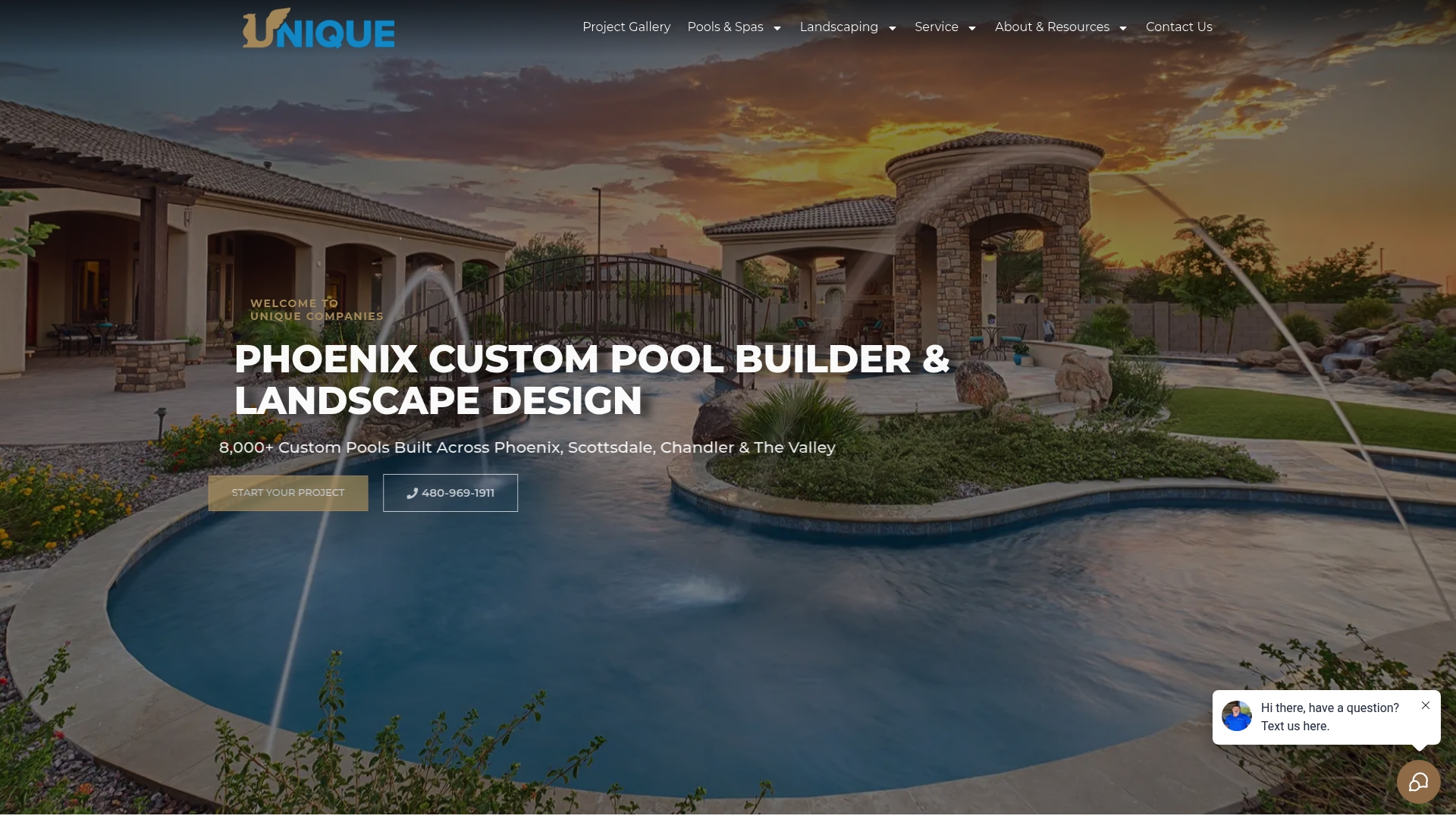
Homeowners planning a pool, outdoor kitchen, or full backyard transformation can explore custom pool features and outdoor kitchen designs directly on the Uniquecompanies website. The team handles HOA submissions, municipal permits, and construction coordination as a single integrated process, which reduces the timeline and eliminates the gaps that appear when separate contractors work without a shared plan. For homeowners ready to move from checklist to construction, Uniquecompanies provides the expertise and local knowledge to get it right the first time.
FAQ
What does a luxury outdoor living checklist include for Arizona?
A complete checklist covers a resort-style pool, outdoor kitchen, covered patio or ramada, layered lighting, misting system, fire feature, and desert-adapted landscaping. Each element should be selected and positioned with Arizona’s sun angles and heat patterns in mind.
How much does a luxury outdoor kitchen cost in Arizona?
Basic outdoor kitchen installations in Arizona cost $28,000 to $55,000, while fully custom luxury kitchens in markets like Scottsdale reach $180,000. Cost depends on appliance selection, countertop materials, and structural complexity.
What is the best shade structure for an Arizona patio?
Alumawood patio covers offer strong durability at $8,000 to $22,000, making them the most practical choice for most homeowners. Motorized pergolas provide the most flexibility but cost $15,000 to $40,000 and may require HOA approval.
How long does a luxury outdoor build take in Arizona?
Project timelines from design through construction typically span 12 to 20 weeks, depending on permit approvals and HOA review cycles. Working with a design-build firm that manages permitting in-house reduces delays.
What landscaping plants work best for luxury Arizona backyards?
Palo verde, saguaro, agave, and mesquite are the top choices because they are drought-tolerant, firewise, and visually striking at scale. Desert xeriscape landscaping also qualifies for utility rebates from SRP and APS.