TL;DR:
- A turnkey outdoor project manages all phases from design to construction under one contractor, delivering a ready-to-use backyard. It offers benefits like single-point accountability, detailed 3D visualization, and streamlined permit handling, reducing costs and delays. Homeowners gain better design control and predictability, making turnkey projects ideal for complex outdoor renovations.
A turnkey outdoor project is a design-build solution where one contractor manages every phase of your outdoor living space, from the first site visit through final construction, delivering a ready-to-use backyard without requiring you to coordinate multiple vendors. This model centralizes accountability, aligns design and construction decisions, and removes the scheduling complexity that fragments most self-managed outdoor renovations. For homeowners in markets like Scottsdale, Chandler, and Queen Creek, where outdoor living is a year-round priority, this approach is the most direct path to a finished, functional backyard. Uniquecompanies has built its entire service model around this principle, integrating design, permitting, and construction under one roof for over 24 years.
What does a turnkey outdoor project cover from start to finish?
A complete outdoor project follows a structured sequence of phases, each managed by the same contractor. That continuity is what separates turnkey delivery from the traditional approach of hiring separate designers, permit expediters, and trade contractors.
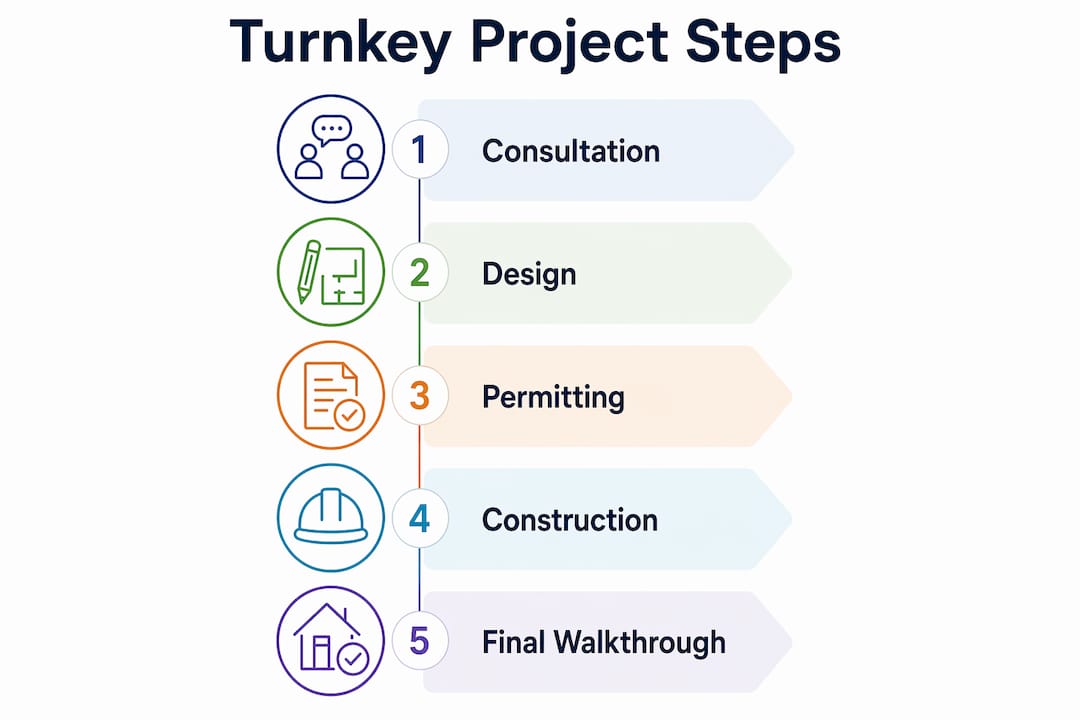
The process typically unfolds in this order:
- Site consultation and evaluation. The contractor assesses drainage patterns, underground utilities, sun exposure, and existing structures. This step identifies site-specific constraints before any design work begins, preventing costly surprises later.
- 3D design and homeowner approval. Using visualization software, the contractor produces photorealistic renderings of the proposed space. Homeowners review patios, outdoor kitchens, pergolas, and pool placements before a single shovel breaks ground.
- Permit application and management. The contractor submits all required documentation to local authorities. Permit approval times often run 2–4 weeks in suburban markets, and a turnkey contractor tracks this phase so construction scheduling stays on target.
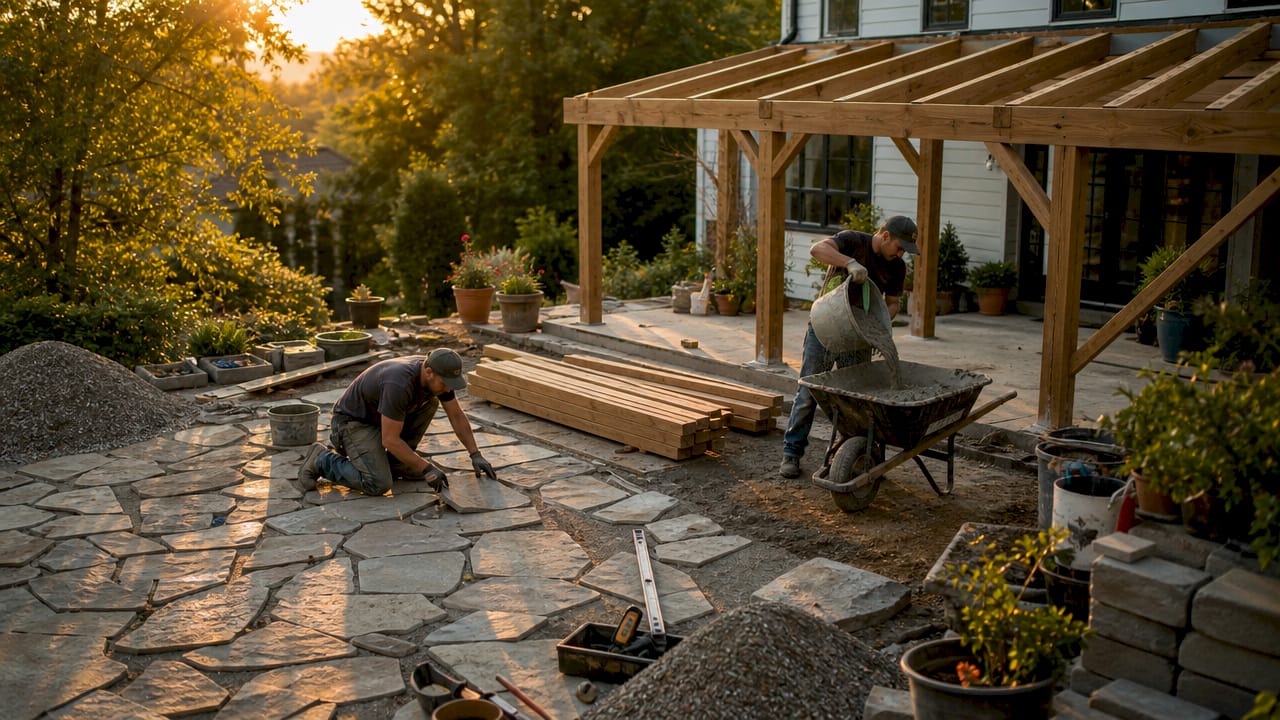
- Coordinated construction. All trades, including concrete, plumbing, electrical, and masonry, work under one project manager. Material deliveries are sequenced to avoid idle time between phases.
- Final walkthrough and quality assurance. The contractor and homeowner inspect every element together. Holding back final payment until the walkthrough sign-off is standard practice among experienced turnkey contractors, and it protects the homeowner’s interests.
Once permits are approved, typical outdoor room projects run 3–6 weeks from groundbreaking to final walkthrough. That timeline assumes no major site complications and that material selections were finalized during the design phase.
Pro Tip: Ask your contractor for a written project schedule before construction starts. A detailed schedule with milestone dates gives you a clear reference point if delays occur and keeps all trades accountable.
What are the advantages of a turnkey approach over traditional projects?
The core advantage of a turnkey approach is single-point accountability. When one contractor owns every phase, there is no gap between the designer who drew the plan and the crew that builds it.
Traditional segmented projects create friction at every handoff. A landscape designer produces drawings, a separate contractor interprets them, and a third vendor supplies materials. Each transition is an opportunity for miscommunication, and unified trade coordination eliminates that risk by keeping all decisions within one team.
The practical benefits for homeowners include:
- Reduced change orders. When design and construction are managed by the same team, material choices and structural decisions are resolved before construction begins, not during it.
- Lower stress. You communicate with one project manager instead of tracking three or four separate vendors across different schedules.
- Design coherence. Integrating material selections, architectural details, and landscaping choices upfront produces a finished space where every element relates to the others.
- Budget predictability. A single contract with defined scope reduces the risk of unexpected costs that arise when vendors point fingers at each other over site conditions.
“Hidden costs of managing multiple contractors often exceed turnkey premiums.” — Turnkey Project Guide 2026
That observation reflects a pattern experienced contractors see regularly. Homeowners who self-coordinate outdoor projects frequently absorb costs for rescheduling, correcting misaligned work, and managing permit delays that a turnkey contractor would have handled internally.
How does 3D visualization empower homeowners before construction?
3D visualization is the tool that gives homeowners genuine control in a turnkey project. Before any physical work begins, you can review a photorealistic rendering of your finished backyard, including patio surfaces, kitchen layouts, pool shapes, and lighting placements.
Detailed 3D renderings allow homeowners to approve designs and make material selections with full visual context, not abstract blueprints. That clarity prevents the most common source of post-construction disappointment: the finished space looks different from what the homeowner imagined.
The specific advantages of visualization in turnkey projects include:
- Material selection with context. You can compare travertine versus concrete pavers, or stucco versus stone veneer on the outdoor kitchen, within the actual design rather than from a sample board.
- Layout adjustments at zero cost. Moving a pergola or resizing a pool on a 3D model costs nothing. Making the same change after concrete is poured is expensive.
- Faster approvals. When homeowners can see exactly what they are approving, the review process moves quickly and confidently.
- Contractor-client alignment. Both parties reference the same visual document throughout construction, reducing disputes about scope.
Material choices integrated early in the design phase produce better harmony between site conditions, architecture, and the finished aesthetic. This is a discipline that turnkey contractors enforce by design. Uniquecompanies uses 3D visualization tools specifically to give Phoenix-area homeowners this level of pre-construction clarity.
Pro Tip: During your design review, ask to see the rendering from multiple angles, including the view from inside the house looking out. That perspective often reveals layout issues that a single front-facing render misses.
What are common homeowner concerns about turnkey projects?
The most frequent concern homeowners raise is loss of design control. The assumption is that handing a project to one contractor means accepting their preferences over yours. In practice, 3D visualization counters this directly by giving homeowners a detailed preview and approval step before construction begins.
The second concern is cost. Turnkey outdoor renovation services carry a premium over hiring individual contractors separately. That premium reflects the project management, design integration, and risk absorption the contractor provides. The relevant comparison is not turnkey cost versus the lowest individual bid. It is turnkey cost versus the realistic total of managing multiple vendors, absorbing rescheduling fees, and correcting misaligned work.
Other concerns homeowners commonly raise, and how experienced turnkey contractors address them:
- Permit delays. Permit timelines are outside any contractor’s direct control, but a turnkey contractor submits applications early and monitors progress. Homeowners who manage their own permits often underestimate the 2–4 week approval window and delay construction start as a result.
- Timeline accuracy. A single project manager coordinating all trades produces more reliable schedules than a homeowner trying to sequence independent contractors. Ask for milestone dates in writing before signing.
- Quality assurance. The final walkthrough is your formal quality check. A reputable turnkey contractor documents every deficiency found during the walkthrough and corrects it before releasing the project.
Selecting the right contractor matters as much as choosing the right project scope. Request references from completed projects, review contracts for defined scope and payment milestones, and confirm the contractor carries appropriate licensing and insurance for your state. For outdoor living projects in Arizona, licensing requirements and permit processes differ from other markets, so local experience is a practical advantage.
Key Takeaways
A turnkey outdoor project delivers a ready-to-use backyard by placing design, permitting, and construction under one contractor, eliminating the coordination gaps that drive up costs and delays in traditional segmented projects.
| Point | Details |
|---|---|
| Single-contractor accountability | One team manages design, permits, and construction, removing handoff errors between vendors. |
| 3D visualization before construction | Homeowners approve photorealistic designs upfront, preventing costly changes during the build. |
| Permit management is included | Turnkey contractors handle the 2–4 week permit process, keeping construction on schedule. |
| Final walkthrough protects the homeowner | Withholding final payment until sign-off ensures all deficiencies are corrected before project close. |
| Premium cost reflects real value | Turnkey pricing accounts for project management and risk absorption that self-coordinated projects often underestimate. |
Why turnkey projects consistently outperform the alternative
After working in the outdoor living space for years, the pattern I see most clearly is this: homeowners who self-coordinate outdoor projects almost always underestimate the coordination burden. They price out individual contractors, find lower bids, and assume the savings are real. Then the concrete crew finishes two days late, the electrician reschedules, and the outdoor kitchen installation gets pushed by three weeks. The savings evaporate in rescheduling fees and carrying costs.
What turnkey delivery actually sells is not just construction. It sells a defined outcome with a defined timeline and one person responsible for delivering it. That accountability structure changes how every trade on the project behaves. When a subcontractor knows the general contractor owns the entire project outcome, delays get resolved faster.
The 3D visualization piece is underrated. Homeowners who see a photorealistic rendering of their backyard before construction starts make better decisions and have fewer regrets. They catch layout issues, change material selections, and align expectations with their contractor before a single dollar of construction labor is spent. That single step eliminates the most common source of post-project dissatisfaction.
My honest advice: if you are planning a backyard project that involves more than one trade, meaning a pool plus an outdoor kitchen, or a patio plus landscaping, the turnkey model is the right structure. The premium is real, but so is the value.
— Philipp
Uniquecompanies brings turnkey outdoor living to Phoenix backyards
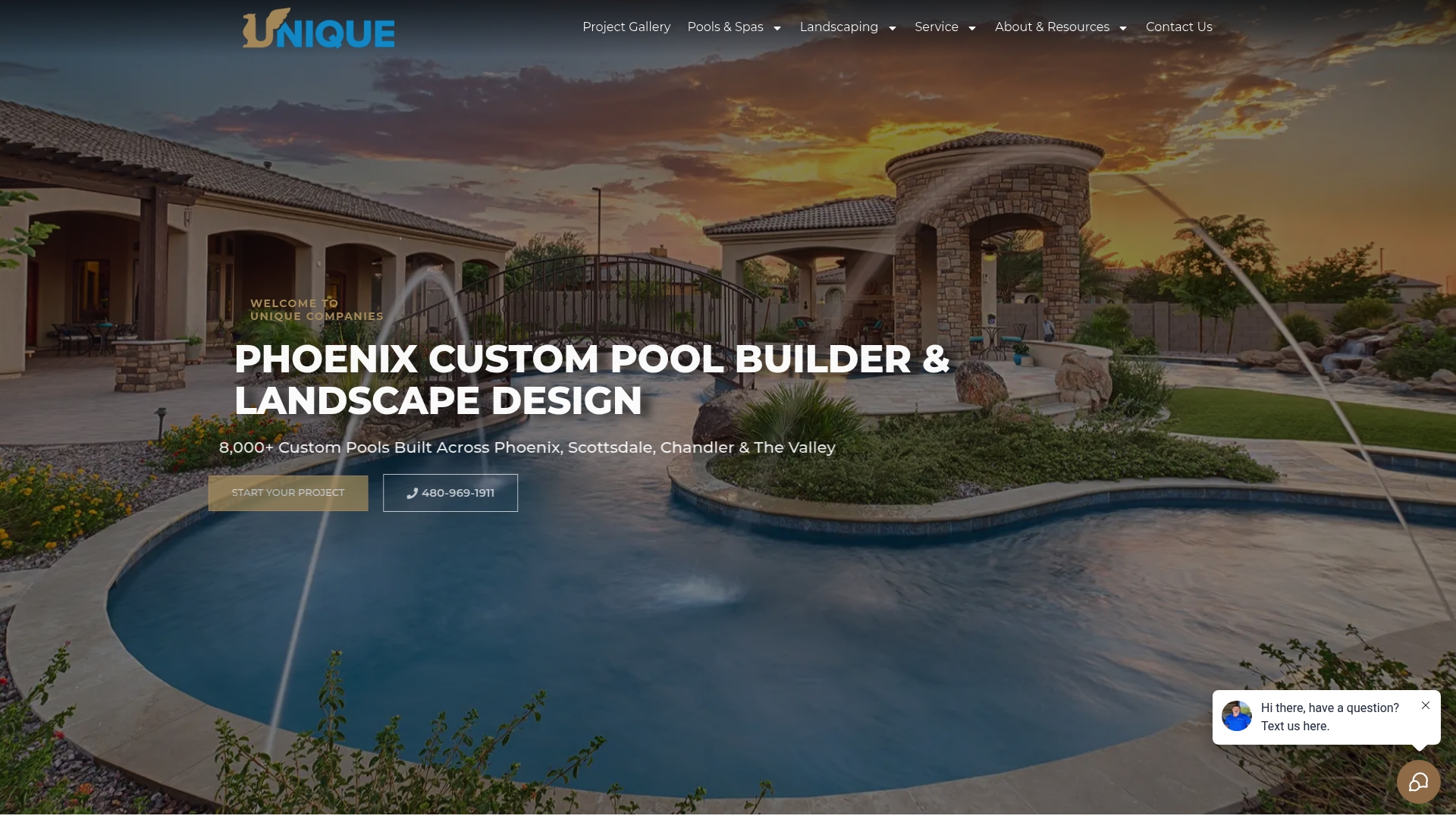
Uniquecompanies specializes in custom outdoor kitchens, pools, spas, hardscape, and landscaping for homeowners across the Phoenix metropolitan area, including Scottsdale, Chandler, and Queen Creek. Every project is managed in-house from initial design through final walkthrough, with 3D visualization included so you approve the full design before construction begins.
With over 24 years of experience building luxury outdoor environments in Arizona’s climate, Uniquecompanies handles permitting, trade coordination, and quality assurance as part of every engagement. If you are ready to see what your backyard could look like, explore custom pool features or schedule a consultation to start your design.
FAQ
What is a turnkey outdoor project?
A turnkey outdoor project is a design-build service where one contractor manages every phase from site consultation through construction to final delivery. The homeowner receives a finished, ready-to-use outdoor space without coordinating separate vendors.
How long does a turnkey outdoor project take?
Once permits are approved, most outdoor room projects run 3–6 weeks from groundbreaking to final walkthrough. Permit approval itself typically takes 2–4 weeks in suburban markets, so total project duration from contract signing is generally 6–10 weeks.
Is a turnkey outdoor project more expensive than hiring contractors separately?
Turnkey projects carry a premium over the lowest individual bids, but hidden costs in self-coordinated projects, including rescheduling fees, misaligned work, and permit delays, often exceed that premium. The relevant comparison is total cost, not upfront bids.
How do I maintain design control in a turnkey project?
Turnkey contractors use 3D visualization to produce photorealistic renderings for homeowner approval before construction begins. This process gives you more effective decision-making control than traditional piecemeal approaches, where design and construction are handled by separate parties.
What should I check before hiring a turnkey outdoor contractor?
Request references from completed projects, confirm the contractor holds appropriate state licensing and insurance, and review the contract for defined scope, payment milestones, and a formal final walkthrough requirement before releasing final payment.