TL;DR:
- Functional outdoor spaces serve daily needs with defined zones, weather protection, and durable materials. They can increase property value by up to 15% and are essential for Phoenix’s hot climate. Careful planning focused on function and climate adaptation ensures usability and long-term satisfaction.
Functional outdoor space is defined as any exterior area designed to serve daily living needs, not just visual appeal. Phoenix homeowners who prioritize functional outdoor spaces gain measurable returns in lifestyle quality, property value, and year-round usability. Houzz research shows that 83% of homeowners now include seating areas in outdoor renovations, and 55% add dining spaces, reflecting a clear shift toward designing for living rather than listing. Uniquecompanies has spent over 24 years helping Phoenix-area homeowners build outdoor environments that deliver on both counts.
Why prioritize functional outdoor spaces over purely decorative ones?
A functional outdoor space serves multiple purposes at once. It provides a place to cook, eat, relax, and entertain without requiring homeowners to move indoors between activities. Decorative spaces, by contrast, look appealing in photos but fail to support real daily routines. The distinction matters because outdoor spaces are evolving into true extensions of indoor living, with multifunction zones that serve diverse daily routines.
Key characteristics of a functional outdoor area
The most usable outdoor areas share a set of defining features. They organize space into clear zones, each built for a specific activity. They also incorporate indoor-quality features adapted for outdoor conditions.
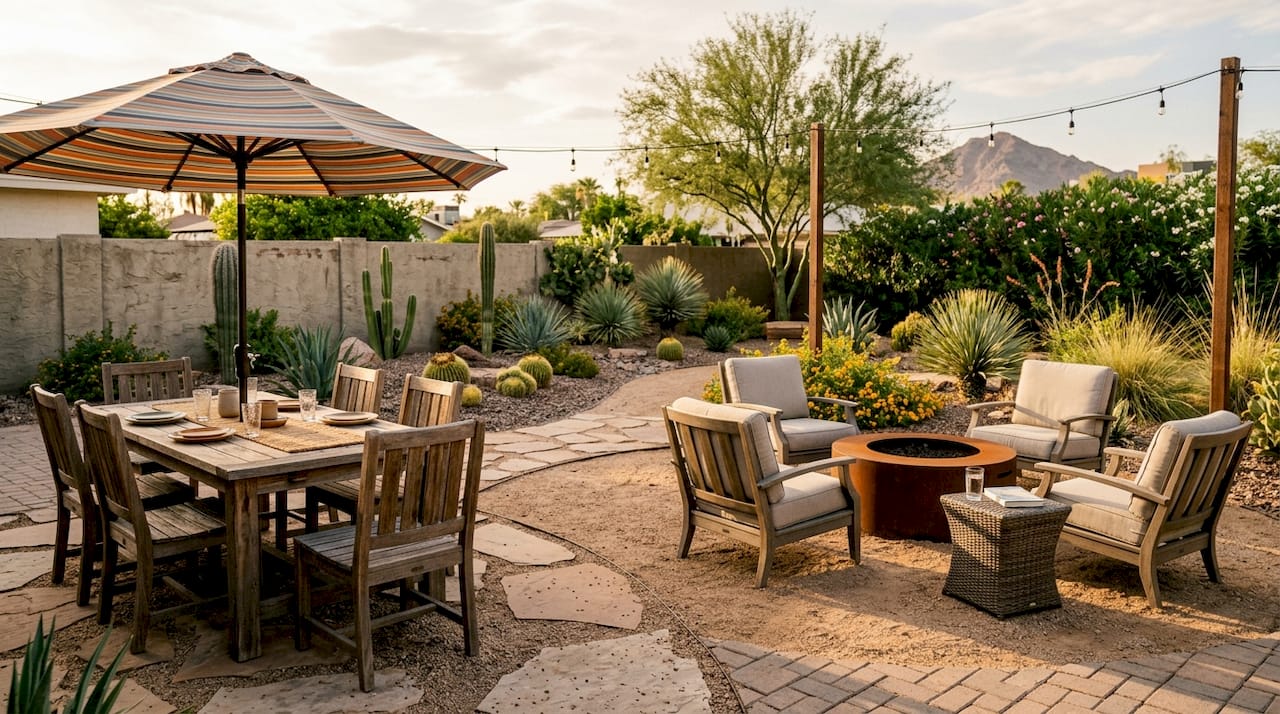
- Defined activity zones: Separate areas for seating, dining, and cooking prevent crowding and confusion. A well-placed outdoor kitchen, for example, keeps the cook engaged with guests rather than isolated inside.
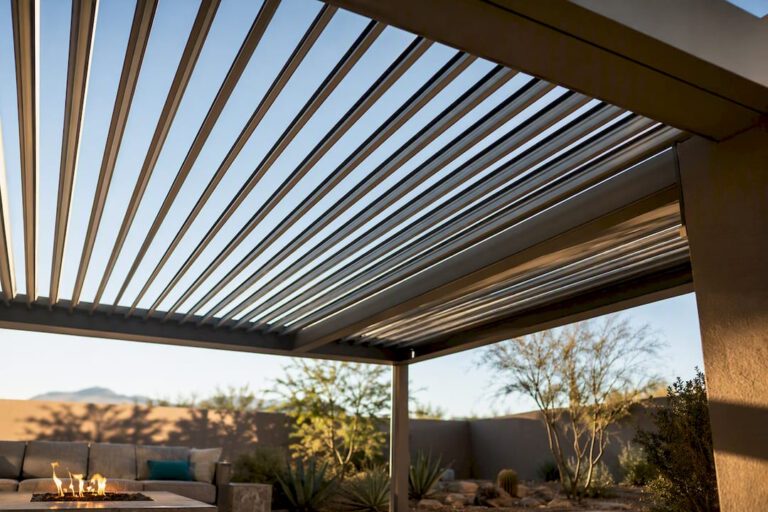
- Weather protection: Pergolas, shade sails, and retractable awnings extend usability by blocking direct sun and reducing surface temperatures. In Phoenix, this is not optional. It is a structural requirement for afternoon comfort.
- Durable, weather-appropriate furniture: Powder-coated aluminum and teak hold up against desert heat and UV exposure far better than standard patio furniture. Choosing the right materials reduces replacement costs and maintenance time.
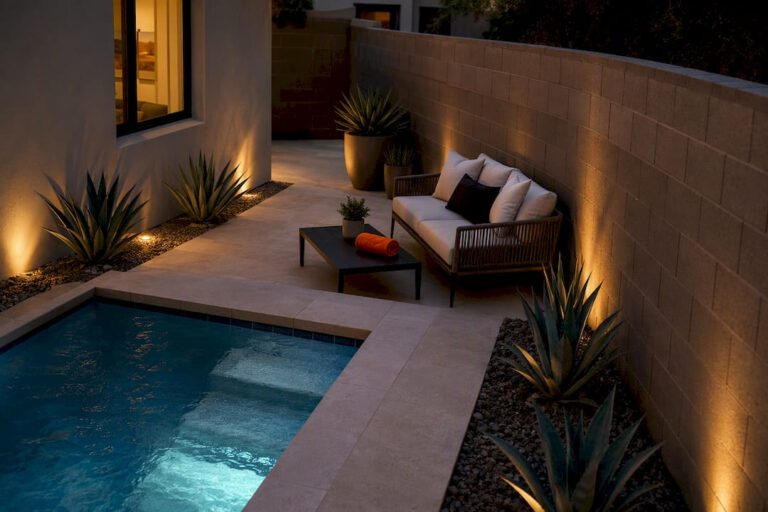
- Integrated lighting: Lighting is foundational in modern outdoor living spaces, making areas safe and usable after dark and extending the effective hours of any outdoor zone.
- Audio and technology integration: Built-in speakers and smart controls allow homeowners to manage ambiance without running cables or carrying portable devices outside.
Pro Tip: Design your outdoor space in zones the same way you would plan an interior floor plan. Assign each zone a primary function before selecting furniture or materials, and you will avoid the most common layout mistakes.
Integrating outdoor living room features like weather-resistant sofas, ceiling fans, and recessed lighting transforms a plain patio into a room that functions as reliably as any interior space.
How do functional outdoor spaces increase property value in Phoenix?
The financial case for functional backyard design is well-documented. Outdoor living spaces boost home value by 10%–15%, with patios delivering 80%–100% return on investment. That return is not automatic. It depends on design quality, material selection, and how well the space serves the needs of future buyers.
“Avoiding high-maintenance features enhances both enjoyment and resale potential. Well-built outdoor projects achieve average homeowner Joy Scores near 9.7 out of 10, reflecting high satisfaction when function and maintenance align.”
Qualified Remodeler, Top Trends in Outdoor Projects
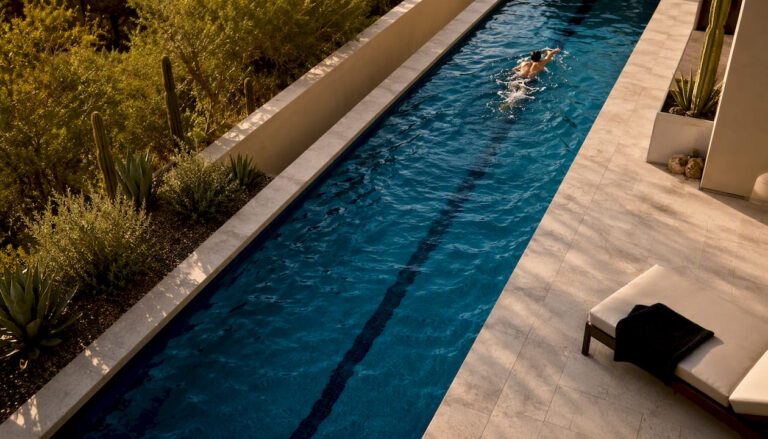
The Joy Score concept measures how much satisfaction homeowners report from completed projects. Spaces that score highest share a common trait: they are easy to maintain and genuinely usable. A pool with complex water features that requires weekly professional service scores lower than a simpler pool with durable finishes and automated systems. The lesson is that complexity without usability reduces satisfaction, not increases it.
| Feature | Estimated ROI | Key value driver |
|---|---|---|
| Patio installation | 80%–100% | Usable square footage added |
| Landscaping upgrades | Recognized by 97% of agents as buyer attractors | Curb appeal and perceived care |
| Outdoor kitchen | High resale appeal | Year-round entertainment function |
| Small defined seating area | ~89% cost recovery at resale | Budget-friendly, well-defined space |
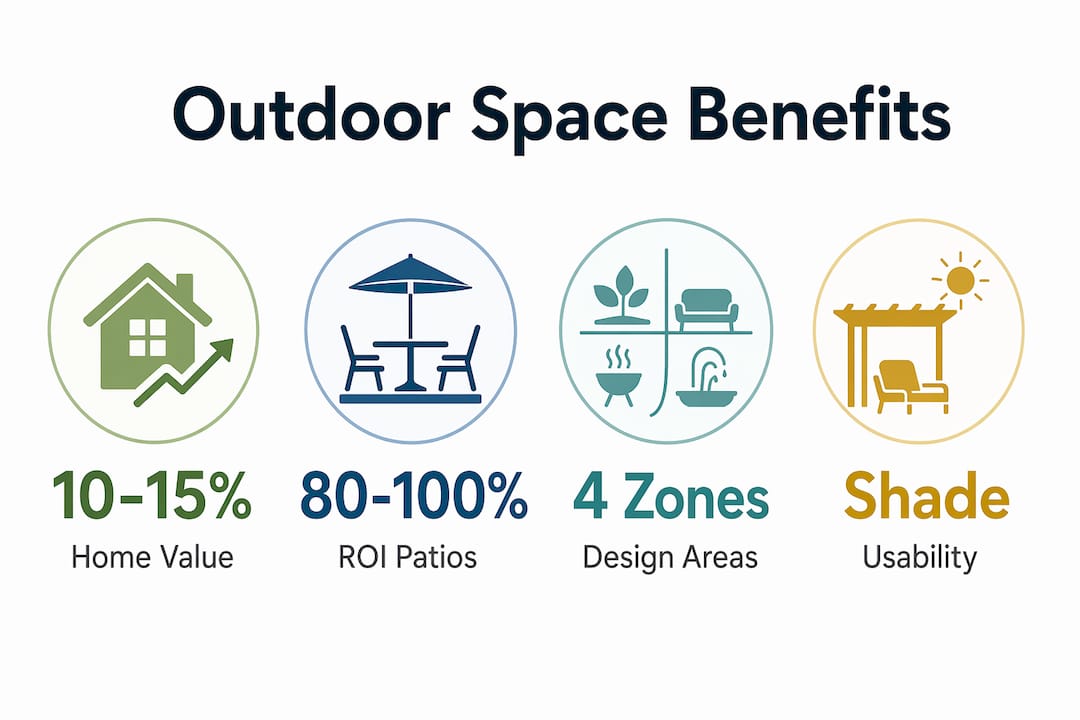
Small patios return around 89% of their cost at resale. That figure challenges the assumption that bigger always means better. A smaller, well-defined outdoor seating area with quality materials and proper drainage outperforms a sprawling hardscape with poor construction. The market rewards outdoor spaces that offer consistent use across multiple seasons, making weather protection and design integration critical factors in long-term value retention.
Landscaping upgrades that incorporate shade trees, defined pathways, and low-maintenance ground cover consistently rank among the top buyer attractors in the Phoenix real estate market.
How does Phoenix’s desert climate shape functional outdoor design?
Phoenix presents specific challenges that most general outdoor design advice does not address. Afternoon temperatures regularly exceed 110°F in summer, and UV exposure degrades materials faster than in temperate climates. Designing practical outdoor spaces here requires accounting for heat, sun angle, and water conservation from the start.
Micro-climate design is the professional standard for solving this problem. It is an advanced landscaping technique that manipulates sun, shade, and airflow to optimize comfort and plant vitality in extreme climates like Phoenix. The approach treats shade as infrastructure, not decoration.
- Strategic tree placement: Positioning trees on the west and southwest sides of a property blocks afternoon sun, the most intense heat source in Phoenix. This single decision can lower yard temperatures meaningfully and reduce cooling costs indoors.
- Shade structures: Pergolas, ramadas, and shade sails create immediate relief without waiting years for trees to mature. Combining both gives homeowners layered protection across different times of day.
- Desert-adapted plants: Native species like palo verde, desert willow, and agave require minimal irrigation once established. They also provide natural shade and privacy without the maintenance burden of non-native plants.
- Hardscape material selection: Light-colored pavers and natural stone reflect heat rather than absorbing it. Dark concrete surfaces can reach temperatures that make barefoot use impossible by midday.
- Water-saving design: Drip irrigation systems and permeable paving reduce water use while keeping plants healthy. In a desert climate, water efficiency is both a cost issue and a design constraint.
Pro Tip: Before finalizing any shade structure placement, track sun movement across your yard at 2:00 PM in july. That is your worst-case scenario. Design your primary seating zone to be fully shaded at that time, and you will have a space that works even on the hottest days.
Incorporating desert-appropriate landscaping strategies alongside structural shade elements gives Phoenix homeowners outdoor areas that remain comfortable and attractive through the full calendar year.
What are the most common mistakes in functional outdoor design?
Poor planning creates outdoor spaces that look finished but fail in practice. The most frequent errors reduce usability, increase maintenance costs, and ultimately lower the return on investment that functional backyard design is supposed to deliver.
-
Over-planting the available space. Over-planting reduces usability and increases maintenance. Dense plantings crowd seating areas, block airflow, and create ongoing trimming and watering demands. Negative space is not wasted space. It is breathing room that makes a yard feel larger and more comfortable.
-
Skipping proper base preparation. Proper base preparation and drainage underpin durability and resale value in outdoor patios. Poor installation leads to cracking, shifting, and water pooling within a few years. Pavers and natural stone set on a correctly graded, compacted base outperform poured concrete in both longevity and appearance.
-
Choosing materials based on appearance alone. A material that looks beautiful in a showroom may fade, crack, or become dangerously hot underfoot in a Phoenix summer. Always evaluate materials against heat retention, UV resistance, and slip resistance when wet.
-
Designing without a maintenance plan. Every outdoor feature requires upkeep. Water features, lush plantings, and complex lighting systems all add to the weekly or monthly maintenance load. Homeowners who build beyond their maintenance capacity end up with deteriorating spaces that hurt rather than help property value.
-
Ignoring the transition between indoors and outdoors. A functional outdoor area connects naturally to the interior of the home. Misaligned floor heights, awkward door placements, and poor sightlines from inside break the connection that makes outdoor spaces feel like genuine extensions of the home.
Reviewing popular outdoor additions before finalizing a design helps homeowners understand which features deliver the most consistent usability without adding unnecessary complexity.
Key Takeaways
Functional outdoor spaces deliver the highest return when they are designed for daily use, built with durable materials, and adapted to Phoenix’s specific climate demands.
| Point | Details |
|---|---|
| Function over decoration | Design for daily use first; aesthetics follow from well-planned activity zones. |
| ROI depends on quality | Patios return 80%–100% of cost only when built with proper materials and base preparation. |
| Climate shapes every decision | Micro-climate design with shade structures and desert-adapted plants is required for Phoenix usability. |
| Maintenance drives satisfaction | Joy Scores near 9.7/10 come from low-maintenance designs that remain comfortable and usable. |
| Smaller, well-built beats larger, poor-quality | Small defined seating areas recover ~89% of cost at resale and outperform oversized, poorly constructed hardscapes. |
What I’ve learned from two decades of Phoenix outdoor projects
After working on outdoor living projects across Scottsdale, Chandler, and Queen Creek for many years, one pattern stands out clearly. Homeowners who spend the most time planning function before selecting materials end up with spaces they actually use. The ones who start with a Pinterest board and work backward often end up with beautiful spaces that sit empty by 3:00 PM every summer afternoon because no one thought about shade placement.
The other consistent lesson is that budget allocation matters more than total budget size. A homeowner who spends $40,000 on a well-designed patio with proper drainage, quality pavers, and a solid shade structure will get more value and more daily use than someone who spends $80,000 on a sprawling hardscape with poor grading and cheap materials. Quality per square foot beats total square footage every time.
Phoenix is also a market where outdoor spaces carry genuine weight in property transactions. Real estate agents here consistently report that buyers factor outdoor usability into their offers. A backyard that works in July is not a luxury feature in this market. It is a baseline expectation for buyers at the mid-to-upper price range. Homeowners who treat their outdoor space as a lifestyle investment rather than a cosmetic upgrade make better decisions at every stage of the design process.
Stone garden elements, including durable focal pieces that require no irrigation or seasonal replacement, are one underused tool for adding visual structure to a yard without adding maintenance burden. They anchor negative space and give the eye a resting point without crowding the usable area.
— Philipp
How Uniquecompanies builds functional outdoor spaces in Phoenix
Uniquecompanies designs and builds custom outdoor environments across the Phoenix metropolitan area, with over 24 years of experience in desert-specific construction. Every project integrates design, permitting, and construction under one roof, which eliminates the coordination gaps that cause delays and cost overruns on complex outdoor builds.
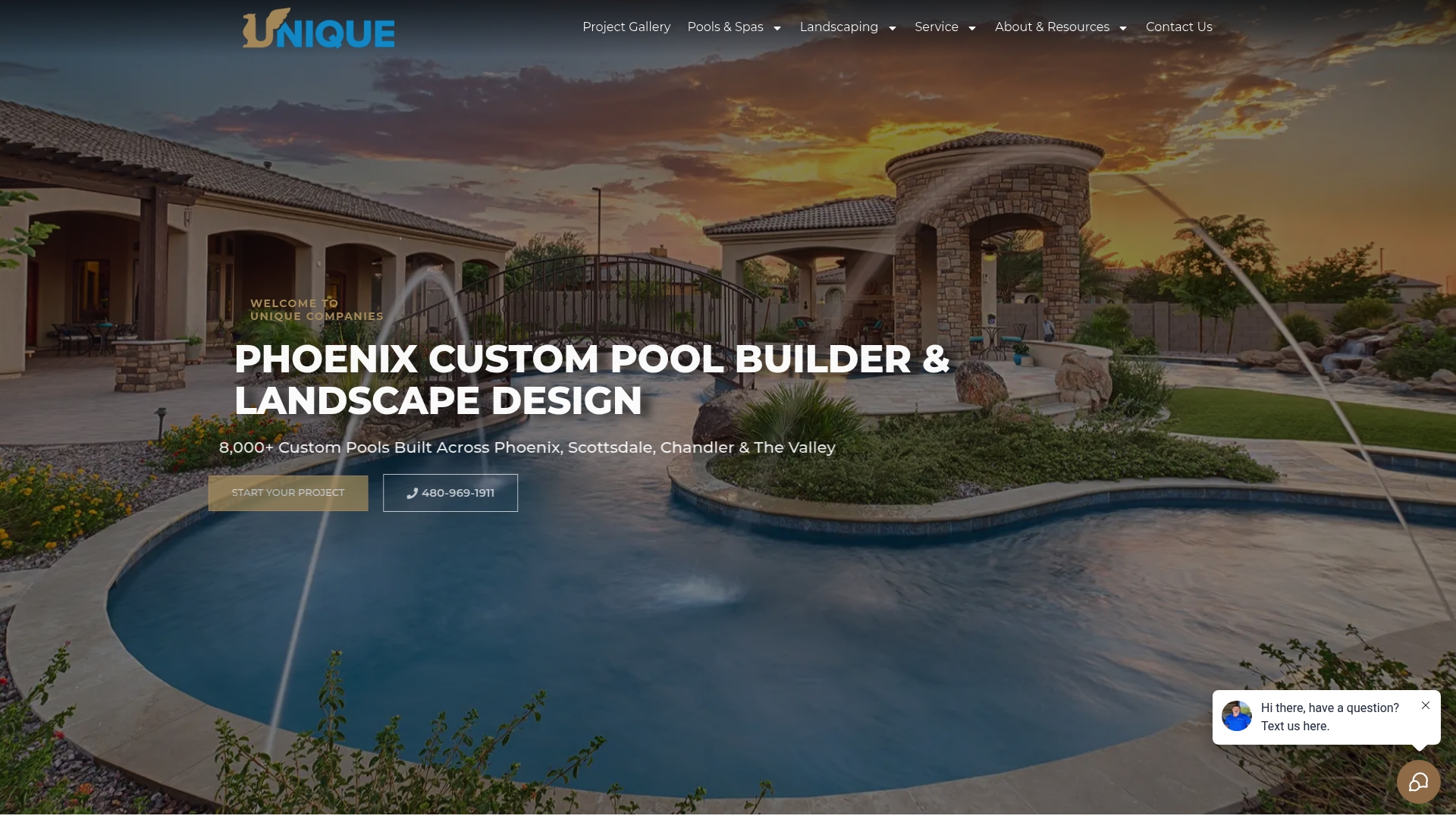
The team specializes in custom outdoor kitchens, custom pools, hardscape design, and shade structures built specifically for Arizona’s climate demands. If you are evaluating an outdoor project in Scottsdale, Chandler, Queen Creek, or the surrounding area, Uniquecompanies offers 3D design previews so you can see the finished space before construction begins. Contact Uniquecompanies to schedule a consultation and get a design plan built around how you actually want to use your outdoor space.
FAQ
What makes an outdoor space functional rather than decorative?
A functional outdoor space includes defined activity zones for cooking, dining, and seating, along with weather protection, durable materials, and integrated lighting. Decorative spaces prioritize appearance but lack the infrastructure for daily use.
How much value does a functional outdoor space add to a Phoenix home?
Outdoor spaces can increase home value by 10%–15%, with patios returning 80%–100% of their cost. Quality of construction and usability are the primary drivers of that return.
Why does shade matter so much in Phoenix outdoor design?
Shade determines whether an outdoor space is usable during peak afternoon hours. Micro-climate design using shade structures and strategically placed trees reduces yard temperatures and makes outdoor areas comfortable even in summer.
What is a Joy Score and why does it matter for outdoor projects?
A Joy Score measures homeowner satisfaction with a completed project on a scale to 10. Well-built outdoor projects average near 9.7/10 when they combine functional usability with low-maintenance design.
How do I avoid over-spending on an outdoor space that I won’t use?
Start with a clear function plan before selecting materials or features. Prioritize shade, durable surfaces, and defined zones over size. Smaller, well-built spaces consistently outperform larger, poorly planned ones in both daily use and resale value.