TL;DR:
- Spa installation in Arizona involves site preparation, electrical work, and foundation laying tailored to desert conditions. Proper planning protects your investment by addressing caliche soil, intense sun, and high temperatures, and includes prioritizing electrical setup, choosing shade structures, and maintaining weekly water care. Uniquecompanies’ local expertise ensures these steps are implemented effectively for long-lasting spa performance.
Spa installation is defined as the full process of site preparation, electrical setup, structural foundation work, and ongoing maintenance planning required before a spa becomes safe and functional. For Arizona homeowners, that process carries extra weight. The desert climate introduces challenges that standard installation guides rarely address: caliche soil, soil temperatures exceeding 100°F at 18 inches deep, intense UV exposure, and rapid water evaporation. Following the right spa installation tips from the start protects your investment, keeps your equipment running longer, and prevents costly repairs down the road. Uniquecompanies has spent over 24 years solving exactly these problems for homeowners across Scottsdale, Chandler, and Queen Creek.
1. Plan your electrical setup before anything else
The electrical system is the most regulated and most expensive part of any spa installation. Hardwired spas require a dedicated 240V circuit with a GFCI disconnect box placed at least 5 feet from the spa shell. That distance is not a suggestion. It is a requirement under NEC Article 680, which governs all spa and pool electrical work in the United States.
NEC Article 680 mandates GFCI protection for all spa electrical equipment within 5 feet of the water and requires conductors rated for wet locations. In Arizona, that means specifying THWN-2 wire, which handles the high soil temperatures common in desert ground. Standard wire types can degrade faster in these conditions, creating both a safety hazard and a code violation.
Electrical work for a spa typically adds $800–$1,600 to your project budget. If your main panel is more than 100 feet from the equipment pad, a dedicated subpanel will likely be needed, adding $1,000–$2,000 to that figure. Planning load calculations early prevents capacity problems and code violations that are far more expensive to fix after the fact.
- Hire a licensed electrician with pool and spa experience in Arizona
- Confirm your main panel has capacity before scheduling installation
- Request a dedicated subpanel near the equipment pad for easier future maintenance
- Specify THWN-2 conductors and Schedule 80 PVC conduit for desert soil conditions
Pro Tip: Ask your electrician to install a subpanel near the equipment pad even if your main panel has current capacity. It simplifies future repairs and gives you room to add outdoor lighting or an outdoor kitchen circuit later without rewiring.
2. Prepare the foundation and site with Arizona soil in mind
A concrete slab is the standard foundation for a portable or freestanding spa. The slab must be at least 4 inches thick and fully cured for a minimum of two weeks before the spa is delivered. Placing a spa on an uncured slab causes cracking under the weight, which can void your equipment warranty and require expensive repairs.
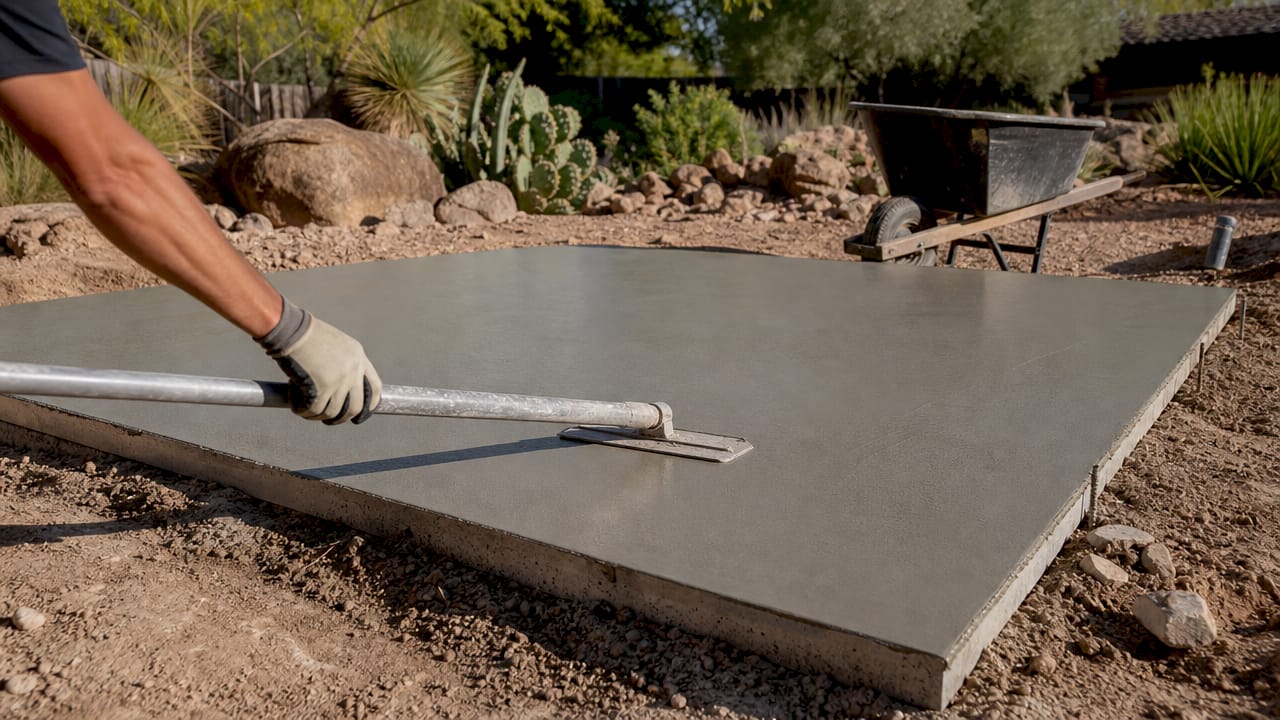
Arizona’s caliche soil creates a specific challenge during site preparation. Caliche is a hardened calcium carbonate layer found throughout the Phoenix metro area. It resists standard excavation equipment and can cause drainage problems if not properly broken up and removed. Caliche soil requires specialized excavation techniques and durable conduit materials like Schedule 80 PVC to withstand both heat and physical impact.
Proper drainage around the spa pad matters as much as the pad itself. Standing water near the equipment cabinet accelerates corrosion and creates slip hazards. Grade the surrounding area so water flows away from the spa, and consider a French drain if your yard has low spots nearby.
Delivery access is another factor homeowners often overlook until it is too late. Before your spa arrives, confirm the following:
- Gate width is at least 36 inches, preferably wider for larger models
- The delivery path can support the weight of a spa dolly and full unit
- There are no overhead obstructions such as low-hanging wires or tree branches
- Turning clearance exists at corners along the delivery route
Pro Tip: Walk the delivery path with a tape measure before you finalize your spa placement. A spa that cannot reach its destination without disassembling a fence or removing a gate post adds cost and delays your project by days.
3. Choose placement and shade structures for desert conditions
Spa placement in Arizona is not just about aesthetics. Where you put the spa directly affects how long the equipment lasts, how much energy it consumes, and how comfortable it is to use. Positioning spas to avoid direct afternoon sun is the best practice in Arizona, where west-facing exposure during summer afternoons can push surface temperatures well above ambient air temperature.
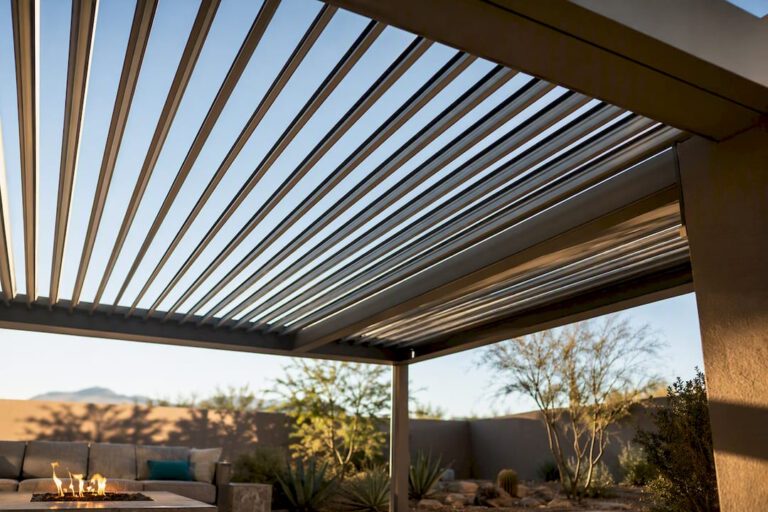
Shade structures like pergolas increase year-round comfort and protect spa equipment from premature wear. A pergola, shade sail, or solid patio cover over the spa reduces UV exposure to the shell, cover, and cabinet. That protection translates directly into fewer cover replacements and longer equipment life. You can see how these design elements come together in outdoor spa design examples built specifically for Phoenix homes.
- Place the spa on the north or east side of the yard to minimize afternoon sun exposure
- Use a pergola or shade sail rated for Arizona wind loads, which can reach high speeds during monsoon season
- Keep the spa at least 5 feet from any structure to meet code and allow equipment access
- Avoid placing the spa directly under trees, which drop debris into the water and clog filters
High-quality insulated, UV-resistant spa covers reduce evaporation and protect spa surfaces from sun damage. In Arizona’s intense sun, a low-grade cover degrades within one to two seasons, leaving the shell exposed and the water unprotected. Invest in a cover with a high-density foam core and a UV-treated vinyl exterior rated for desert climates.
4. Follow a maintenance routine built for desert conditions
Arizona’s heat, dust, and low humidity create a maintenance environment unlike any other region. Water chemistry should be tested weekly and balanced to maintain spa hygiene and protect equipment longevity. In a desert climate, evaporation concentrates minerals and chemicals faster than in cooler regions, which means pH and alkalinity drift more quickly between tests.
Draining and refilling every 3–4 months is the recommended interval for desert climates. Total dissolved solids build up faster in Arizona due to the combination of heat and hard water. Waiting longer than four months typically results in water that cannot be rebalanced with chemicals alone. For more guidance on managing water quality through Arizona’s toughest seasons, the monsoon season pool care guide from Uniquecompanies covers filter and chemistry management in high-dust conditions.
Regular filter rinsing prevents pump strain and preserves water clarity in dusty desert environments. The recommended schedule is weekly rinsing and a deep clean every 2–4 weeks. Skipping filter maintenance is the single most common cause of pump failure in Arizona spas, because dust and debris load the filter far faster here than in other climates.
- Test pH, alkalinity, and sanitizer levels every week without exception
- Rinse the filter cartridge weekly with a garden hose
- Deep clean the filter with a chemical soak every 2–4 weeks
- Drain and refill the spa every 3–4 months
- Fill the spa through the filter housing to prevent air locks at startup
5. Manage energy use to reduce costs and equipment wear
Energy management is where many Arizona spa owners leave money on the table. Running the heater during peak afternoon hours in summer forces the system to work against ambient air temperatures that regularly exceed 110°F. Lowering the spa temperature baseline in summer and running pumps during cooler hours reduces both energy costs and mechanical wear on the heating element.
Smart control systems and timers optimize operation schedules for efficiency. A programmable timer set to run filtration cycles between 10:00 PM and 6:00 AM takes advantage of lower electricity rates and cooler ambient temperatures. Many modern spa control panels include Wi-Fi connectivity, allowing you to adjust settings remotely before you head outside.
- Lower the target water temperature by 4–6°F during june through september
- Run filtration and heating cycles during off-peak hours, typically late evening to early morning
- Keep the insulated cover on the spa whenever it is not in use
- Consider a timer or smart controller if your spa does not already have one
Pro Tip: In summer, set your spa to a “ready in 30 minutes” mode rather than maintaining a constant high temperature. You save energy all day and still have a ready spa when you want it.
Key takeaways
Successful spa installation in Arizona requires electrical planning under NEC Article 680, a properly cured concrete foundation, shade-focused placement, and a weekly maintenance routine built around desert heat and dust.
| Point | Details |
|---|---|
| Electrical setup first | Install a dedicated 240V GFCI circuit with THWN-2 wire before any other work begins. |
| Foundation timing matters | Allow the concrete slab at least two weeks to cure before spa delivery to prevent cracking. |
| Shade protects equipment | Position the spa away from afternoon sun and add a pergola or shade sail to extend equipment life. |
| Weekly maintenance is non-negotiable | Test water chemistry and rinse filters every week to prevent pump failure and water imbalance. |
| Energy timing cuts costs | Run pumps and heaters during cooler off-peak hours and lower the temperature baseline in summer. |
What I’ve learned from Arizona spa installations that most guides skip
After working through dozens of outdoor spa projects in the Phoenix metro area, the pattern that stands out most is how often homeowners underestimate the electrical planning phase. They focus on the spa model, the placement, and the aesthetics, and then get surprised when the electrician arrives and finds that the main panel cannot handle the load without a subpanel. That discovery adds cost and delays the project by weeks.
The caliche soil issue is equally underestimated. Homeowners who have done landscaping work before assume excavation is straightforward. Caliche stops a standard shovel cold. Specialized equipment and experienced crews are not optional here. They are the only way to get conduit laid correctly and drainage working as intended.
Shade structures are often treated as a luxury add-on rather than a functional requirement. I have seen spa covers fail within 18 months in full Arizona sun. The same cover under a pergola lasts four to five years. That difference in lifespan more than pays for the shade structure itself.
The maintenance habits that prevent early equipment failure are simpler than most homeowners expect. Weekly filter rinsing and consistent water testing take about 20 minutes combined. Skipping those tasks for a month or two is what leads to pump replacements and shell damage that cost thousands. The custom spa installation guide from Uniquecompanies covers these maintenance intervals in detail for Arizona conditions.
— Philipp
How Uniquecompanies approaches custom spa installation in Arizona
Uniquecompanies specializes in designing and building luxury outdoor living environments across the Phoenix metropolitan area, including Scottsdale, Chandler, and Queen Creek. Their team handles every phase of a spa project in-house, from design and permitting through construction and final inspection. That integrated approach eliminates the coordination gaps that cause delays and cost overruns when homeowners manage multiple contractors separately.
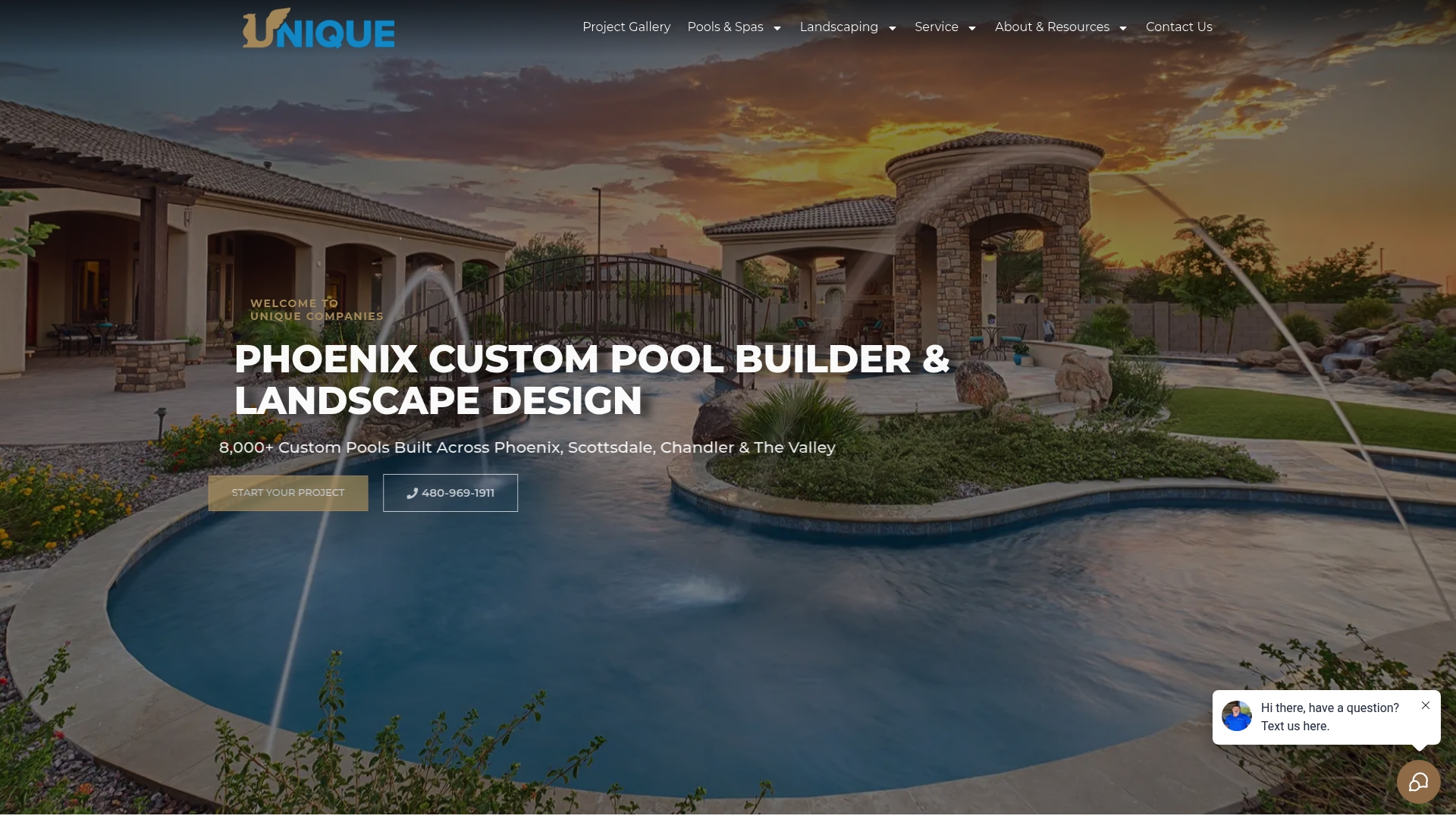
With over 24 years of experience building in Arizona’s desert climate, Uniquecompanies brings local knowledge that generic contractors cannot replicate. Their team understands caliche soil, Arizona electrical code requirements, and the placement decisions that protect equipment from premature wear. If you are planning a spa addition or a full backyard redesign, their custom pool features page outlines the full range of spa and pool options available for Arizona homes. You can also use their Genesis Pool Designer tool to visualize your project before construction begins.
FAQ
What electrical requirements apply to spa installation in Arizona?
Arizona spa installations must comply with NEC Article 680, which requires a dedicated 240V circuit, GFCI protection, and a disconnect box at least 5 feet from the spa. Conductors must be rated for wet locations and high soil temperatures, with THWN-2 wire being the standard choice for desert conditions.
How often should I drain and refill my spa in Arizona?
Draining and refilling every 3–4 months is the recommended interval for Arizona’s desert climate. Heat and hard water accelerate the buildup of total dissolved solids, making the water impossible to rebalance with chemicals alone after that point.
What foundation does a spa need before installation?
A spa requires a concrete slab at least 4 inches thick that has cured for a minimum of two weeks before delivery. Placing a spa on an uncured slab risks cracking under the load and can void the equipment warranty.
Why does shade placement matter so much for Arizona spas?
Direct afternoon sun degrades spa covers, shells, and cabinet materials significantly faster in Arizona’s climate. Positioning the spa away from west-facing afternoon sun and adding a pergola or shade sail can extend cover life from under two years to four or five years.
How do I reduce energy costs for my spa during Arizona summers?
Lower the target water temperature by several degrees during summer months and schedule filtration and heating cycles to run during cooler off-peak hours, typically late evening through early morning. Keeping the insulated cover on whenever the spa is not in use also reduces heat gain and evaporation.