TL;DR:
- Modern hardscape includes permanent outdoor elements like patios, walkways, and retaining walls made from durable materials such as stone, concrete, brick, and wood. It offers benefits like increased property value, expanded usable space, reduced maintenance, and improved environmental performance through permeable surfaces. Proper planning, material selection, and incorporating current design trends are essential for successful hardscape projects in hot climates like Phoenix.
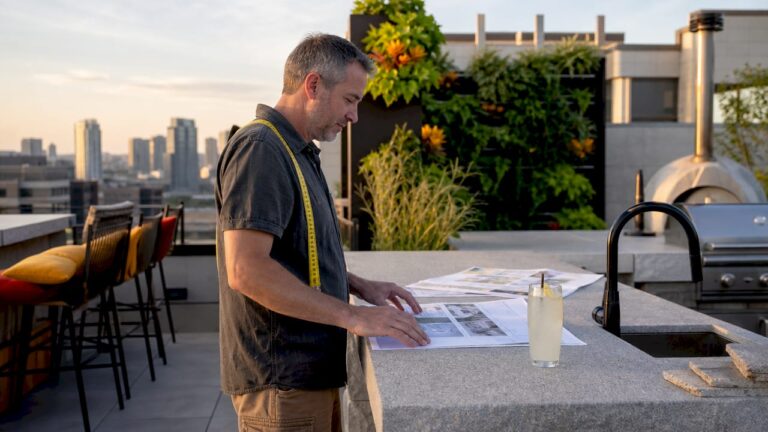
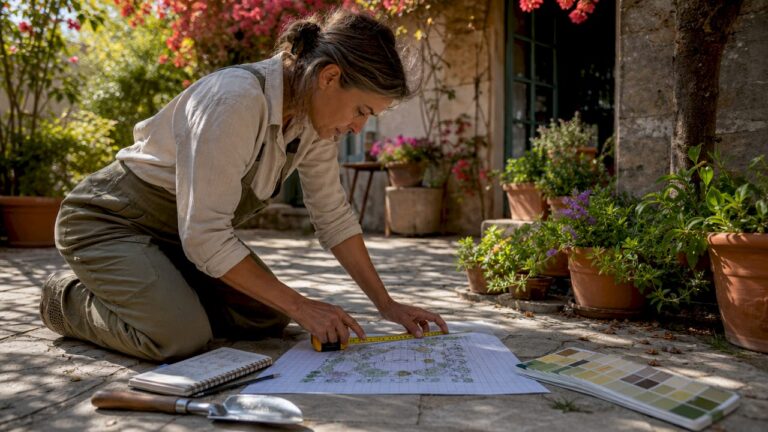
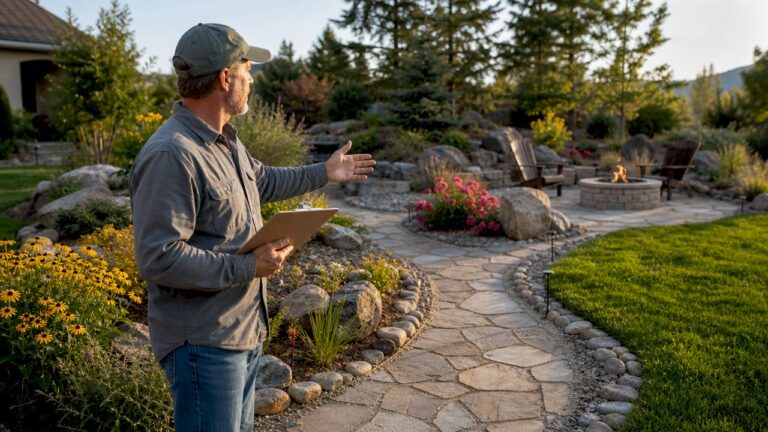
Modern hardscape is defined as the permanent, non-living structural elements of an outdoor space, including patios, walkways, retaining walls, decks, and outdoor kitchens built from materials like stone, concrete, brick, and wood. Unlike softscape, which covers plants and soil, hardscape forms the physical framework that gives a yard its shape and function. Modern hardscape design takes that foundation further by applying minimalist principles, clean geometry, and material choices that connect indoor and outdoor spaces. For homeowners and property developers in the Phoenix area, understanding what modern hardscape involves is the first step toward building an outdoor space that performs as well as it looks.
What is modern hardscape, and what materials define it?
Modern hardscape is the structured, non-living layer of a landscape design, built from durable materials selected for both function and appearance. The industry term for this discipline is simply “hardscaping,” and the “modern” qualifier signals a specific design philosophy: clean lines, minimal ornamentation, and materials that age well without constant upkeep.
The most common materials used in modern hardscape projects include:
- Natural stone (travertine, flagstone, slate): valued for its texture and heat resistance, especially in hot climates like Arizona
- Concrete pavers: available in large formats, offering a uniform, polished look at a controlled cost
- Porcelain tile: extremely dense, fade-resistant, and popular for pool decks and patios
- Brick: traditional but still relevant in accent walls and edging
- Composite decking: low maintenance and resistant to warping in high-heat environments
- Gravel and decomposed granite: used for pathways, drainage zones, and desert-style ground cover
- Metal and steel: applied in edging, pergola frames, and fire pit surrounds for a contemporary finish
One of the defining material trends in modern hardscape is the shift toward large-format pavers measuring 24×24 inches or larger. Fewer joints mean a cleaner visual surface and less opportunity for weed growth between stones.
Pro Tip: When selecting paver color for a Phoenix property, choose a tone that closely matches your interior flooring. This creates a visual connection between inside and outside that makes both spaces feel larger.
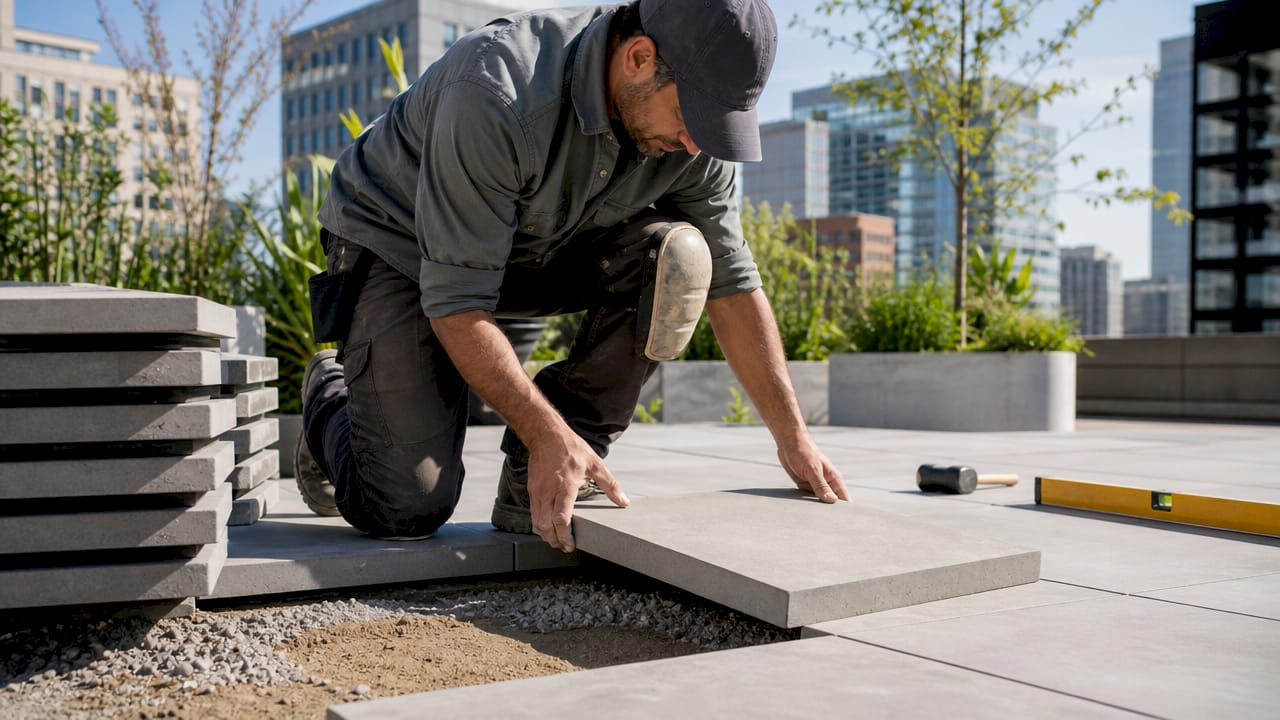
The structural elements built from these materials include patios, walkways, driveways, retaining walls, seating walls, fire pits, outdoor kitchens, pergolas, and pool decks. Each element serves a specific function, and the best hardscape design plans combine several of them into a cohesive layout.
What are the benefits of incorporating modern hardscape?
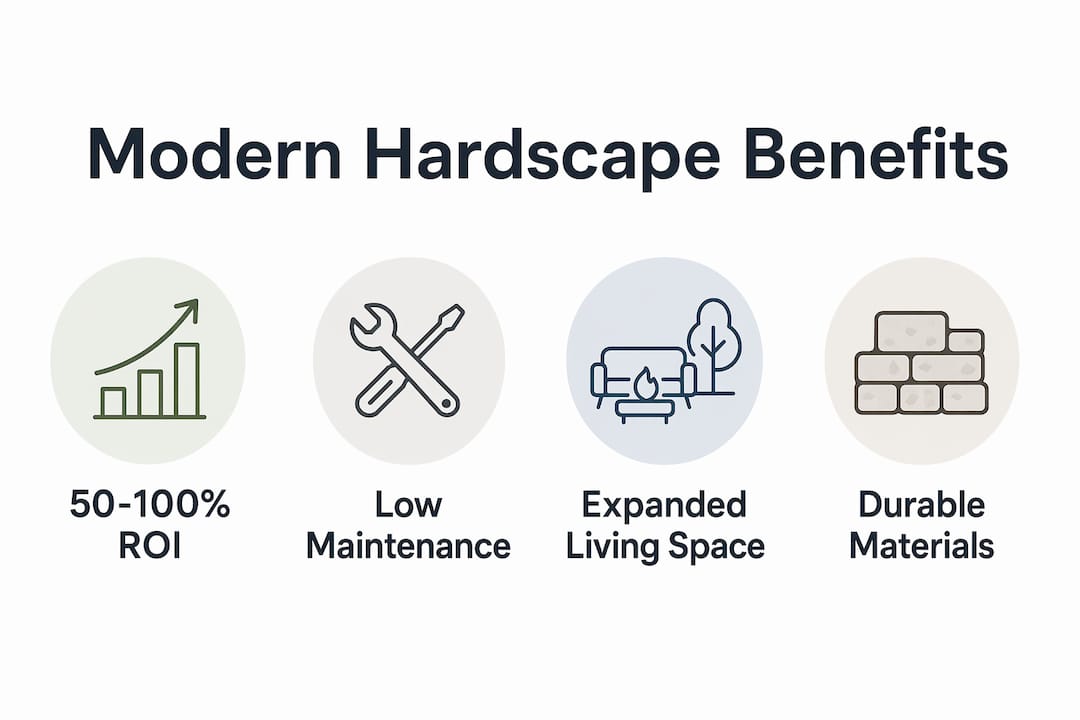
Modern hardscape delivers measurable returns across four categories: financial value, usable space, maintenance reduction, and environmental performance.
Financial return is the most cited reason homeowners invest in hardscaping. Quality hardscape projects yield a 50–100% return on investment at resale and can increase property value by up to 20%. That return comes from both curb appeal and the functional square footage added to the property.
Usable space expands significantly with hardscape. A 400-square-foot patio adds functional living area without the cost of a structural home addition. In warm climates like the Phoenix metro, that space is usable for most of the year.
Maintenance reduction is a practical benefit that compounds over time. Hardscape features remain stable for decades with only basic upkeep: sweeping, occasional power washing, and reapplying polymeric sand to joints every few years. Plants require weekly attention. Hardscape does not.
Environmental performance is an area where modern hardscape has improved considerably. Permeable pavers filter rainwater, recharge groundwater, and reduce the irrigation demand that a traditional lawn requires. For Arizona homeowners managing water costs, this is a direct financial benefit as well as an environmental one.
“Eco-conscious hardscaping reduces environmental impact and enhances sustainability by managing water drainage naturally. Permeable surfaces do the work that storm drains and irrigation systems would otherwise handle.”
Hardscape also eliminates the seasonal cycle of lawn care: no mowing, no fertilizing, no reseeding. For property developers, that translates to lower ongoing maintenance costs and stronger appeal to buyers who want a low-effort outdoor space.
How do modern hardscape design trends shape outdoor spaces?
Current trends in outdoor hardscape reflect a broader shift in how homeowners think about their property. The backyard is no longer a separate zone from the home. It is an extension of the living space, and modern hardscape design treats it that way.
The table below summarizes the most influential design trends and their practical applications:
| Trend | Description | Best application |
|---|---|---|
| Large-format pavers | 24×24 inch or larger tiles with minimal grout lines | Patios, pool decks, walkways |
| Indoor-outdoor material matching | Matching interior flooring colors and textures outdoors | Covered patios, transition zones |
| Functional zoning | Separate areas for dining, lounging, and cooking | Full backyard layouts |
| Linear fire features | Rectangular fire pits and fire tables replacing round designs | Outdoor living rooms |
| Seating walls | Built-in perimeter walls replacing portable furniture | Patios, pool surrounds |
| Permeable surfaces | Gravel, gapped pavers, and decomposed granite | Pathways, side yards |
Grouping hardscape features into distinct zones with straight-line geometry reduces visual clutter and gives the space a deliberate, designed feel. A dining zone with a concrete table and built-in seating wall reads differently than a patio with scattered furniture. The geometry does the organizing work.
Pro Tip: Plan your zones before selecting materials. Knowing where cooking, dining, and lounging will happen lets you choose surface materials appropriate to each use, such as heat-resistant porcelain near a grill and smooth pavers in the dining area.
The indoor-outdoor connection is the trend with the most lasting impact. When the tile on your covered patio matches the tile in your kitchen, the two spaces read as one continuous environment. Uniquecompanies applies this principle across its Phoenix projects, coordinating material selections with the home’s existing interior finishes.
What practical considerations guide a successful hardscape project?
Planning a hardscape project requires sequencing, material knowledge, and an understanding of your local climate. Getting these right at the start prevents expensive corrections later.
The most critical sequencing rule is straightforward: hardscape installation comes first. Grading, drainage, and structural elements must be in place before any planting begins. Installing plants before hardscape risks damaging root systems during excavation and disrupts drainage grades already established by the softscape.
Drainage is the single most common source of long-term hardscape problems. Water that pools under a patio or along a retaining wall will eventually undermine the base material, causing settling and cracking. Proper slope, base compaction, and drainage channels must be built into the design from the start.
Climate drives material selection more than aesthetics does. In freeze-thaw regions, interlocking pavers outperform concrete slabs because they flex slightly with ground movement rather than cracking. In Phoenix, the priority shifts to heat retention and UV resistance. Lighter-colored porcelain and travertine stay cooler underfoot than dark concrete, which matters on a 110-degree afternoon.
Maintenance requirements for modern hardscape are genuinely low, but not zero. The standard maintenance schedule includes:
- Annual power washing to remove dirt, algae, and mineral deposits
- Polymeric sand reapplication every two to three years to stabilize paver joints
- Inspection of retaining walls after heavy rain events for any shifting or bulging
- Sealing natural stone every one to two years to prevent staining and moisture absorption
- Checking drainage channels seasonally to clear debris before monsoon season in Arizona
For paver patio design, the most common planning mistake is underestimating the size needed. A patio that looks generous on paper often feels cramped once furniture is placed. Standard guidance calls for a minimum of 12×12 feet for a four-person dining setup, with larger zones for outdoor kitchens and fire features.
Key Takeaways
Modern hardscape is the non-living structural foundation of any outdoor space, and it delivers the highest long-term return when planned before softscape, built with climate-appropriate materials, and organized into functional zones.
| Point | Details |
|---|---|
| Definition and scope | Hardscape covers all permanent non-living outdoor elements: patios, walls, walkways, kitchens, and decks. |
| ROI and property value | Quality hardscape projects can boost property value by up to 20% and return 50–100% at resale. |
| Material selection matters | Climate drives material choice. Porcelain and travertine perform best in Phoenix heat; interlocking pavers suit freeze-thaw zones. |
| Install hardscape first | Grading and drainage must be set before any planting to prevent structural problems later. |
| Eco-conscious options exist | Permeable pavers reduce runoff and lower irrigation demand, benefiting both the environment and water bills. |
Why hardscape deserves more planning time than most homeowners give it
Most homeowners I speak with treat hardscape as the finishing layer. They plan the pool, pick the plants, and then figure out where the patio goes. That sequence almost always creates problems. Hardscape is the structural backbone of the outdoor space. Every other decision should follow from it, not precede it.
The trend toward indoor-outdoor continuity is the most significant shift I have seen in outdoor design over the past decade. When a homeowner matches their interior tile to their pool deck material, the result is not just aesthetic. It changes how the space feels to live in. The boundary between inside and outside dissolves, and the home feels larger without adding a single square foot of conditioned space.
Eco-conscious material choices are also no longer a niche preference. In Arizona, where water costs are rising and desert-adapted landscaping is standard practice, permeable hardscape options are becoming a baseline expectation rather than an upgrade. Gravel pathways, gapped pavers, and decomposed granite ground cover all contribute to a yard that manages its own water rather than sending it into the street.
The most practical advice I can offer: spend more time on the zone layout than on the material catalog. Knowing exactly where people will cook, eat, sit, and move through the space is more valuable than any single material choice. The materials serve the layout. The layout serves the life you want to live in that space.
— Philipp
How Uniquecompanies brings modern hardscape to life in Phoenix
Uniquecompanies has spent over 24 years designing and building luxury outdoor environments across Scottsdale, Chandler, Queen Creek, and the greater Phoenix metro. Their in-house team handles design, permitting, and construction as a single integrated process, which means the hardscape, pool, and outdoor kitchen are planned together from day one rather than assembled by separate contractors.
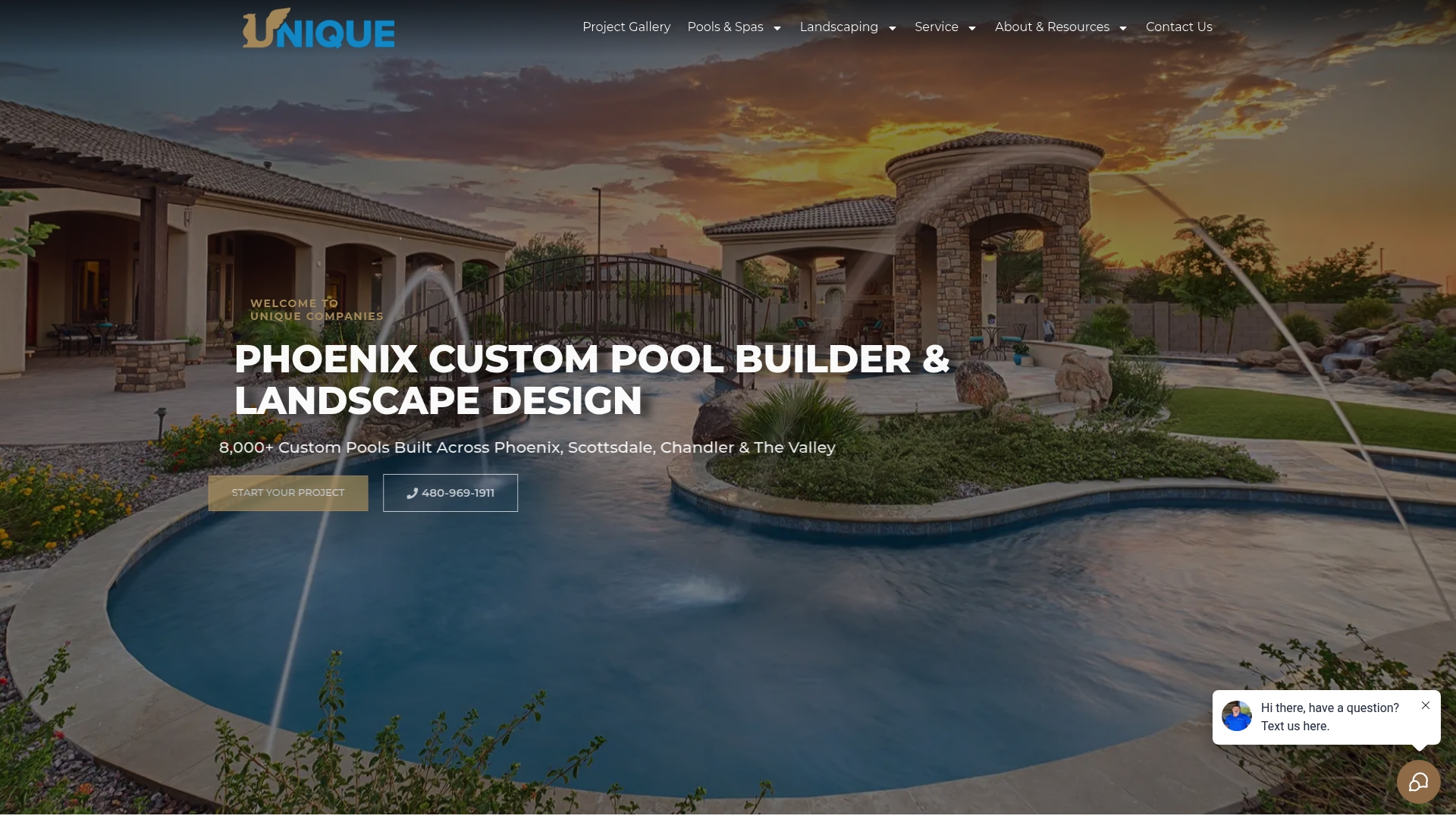
If you are planning a backyard project that includes a pool, the custom pool features Uniquecompanies offers are designed to integrate directly with surrounding hardscape, from pool deck material selection to built-in water features and fire elements. For homeowners who want a fully functional outdoor cooking space, their outdoor kitchen designs are built as permanent hardscape structures, not portable additions. Every project includes 3D design previews so you can see the finished space before construction begins.
FAQ
What is the difference between hardscape and landscape?
Hardscape refers to the permanent, non-living structural elements of an outdoor space, such as patios, walls, and walkways. Landscape, or softscape, covers the living elements: plants, grass, trees, and soil.
What materials work best for modern hardscape in hot climates?
Porcelain tile, travertine, and light-colored concrete pavers perform best in hot climates because they reflect heat and resist UV fading. Dark concrete absorbs heat and becomes uncomfortable underfoot in high temperatures.
Does hardscaping increase home value?
Quality hardscape projects can increase property value by up to 20% and deliver a 50–100% return on investment at resale, making them one of the strongest outdoor improvement investments available.
Should hardscape be installed before plants and grass?
Yes. Hardscape installation comes first to properly establish grading and drainage. Installing plants before hardscape risks disrupting root systems and undermining drainage grades during excavation.
What is the most popular modern hardscape trend right now?
Large-format pavers measuring 24×24 inches or larger are the dominant current trend, valued for their clean visual surface, minimal joint lines, and the expansive, uninterrupted look they create on patios and pool decks.