TL;DR:
- Custom backyard spas that incorporate thoughtful design, acoustic elements, and smart technology increase property value and provide an all-year wellness retreat. Proper infrastructure planning, material selection, and outdoor integration are essential for creating durable, inviting spa environments. Coordinating design and technical work early ensures seamless construction and maximizes long-term satisfaction.
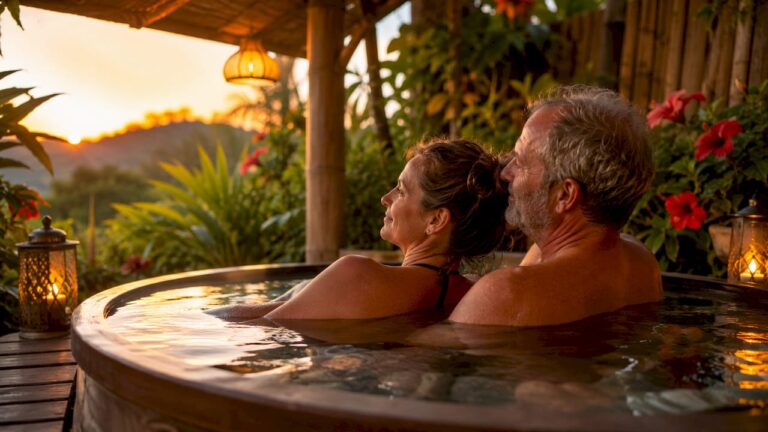
Custom spa ideas are the curated design and feature choices that transform a standard backyard into a personalized wellness retreat with measurable lifestyle and financial returns. Homes built around wellness concepts achieve 10–25% higher sale prices compared to non-wellness listings. That figure alone makes a compelling case for treating your backyard spa as a long-term investment, not just a comfort upgrade. The best personalized spa concepts go beyond a hot tub on a patio. They integrate acoustic design, premium materials, smart technology, and cohesive landscaping into a unified outdoor experience that you will actually use year-round.
1. what are the best custom spa features to include?
The foundation of any strong spa design starts with selecting features that serve your specific lifestyle. A hot tub is the most common starting point, but swim spas offer a dual-purpose option that combines hydrotherapy with low-impact exercise in a single footprint. For homeowners who want a more complete wellness environment, saunas, steam rooms, and cold plunge pools create a thermal contrast circuit that professional spas use to accelerate recovery and deepen relaxation.
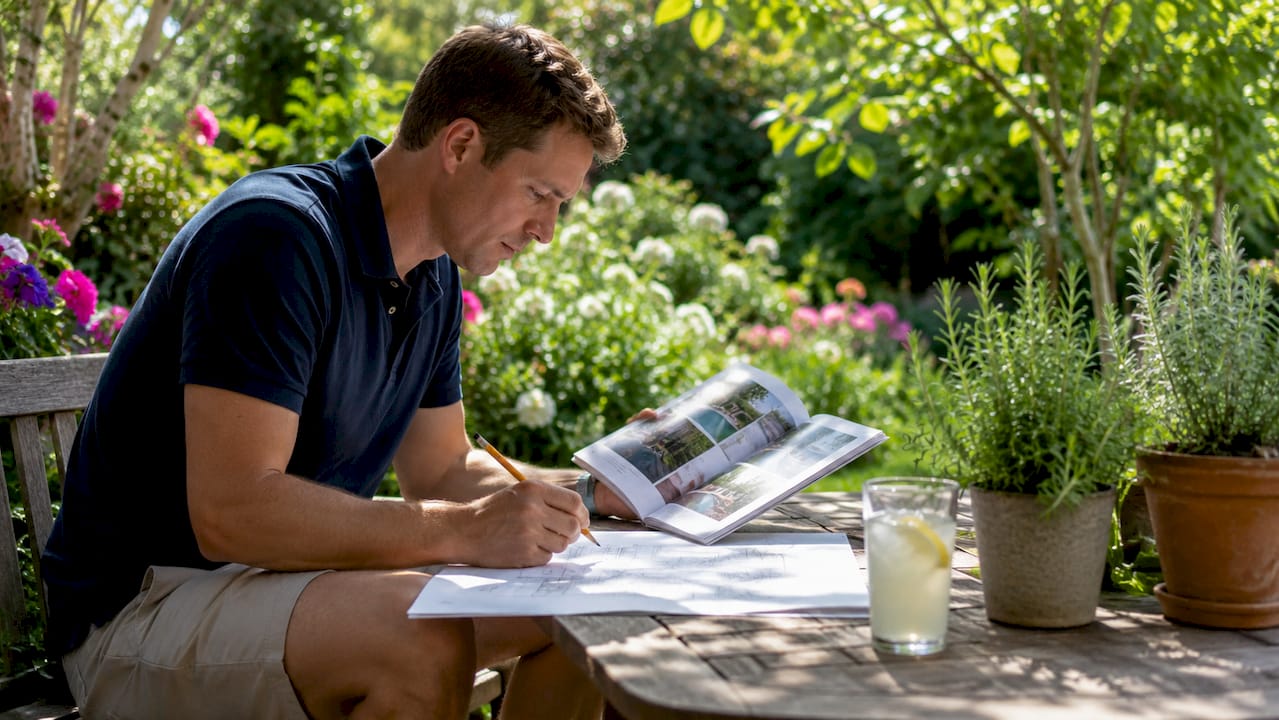
Acoustic design is the most overlooked element in home spa planning. Acoustic zoning using materials like felt and terracotta reduces mechanical noise from pumps and jets, which is the primary source of disruption in otherwise well-designed spa spaces. Addressing sound at the design stage costs far less than retrofitting acoustic panels after construction.
Smart technology integration is now a standard expectation in luxury spa setups. Wi-Fi-enabled control systems from brands like Balboa Water Group and Pentair allow you to adjust water temperature, jet intensity, and lighting from a smartphone before you even step outside. Automated chemical dosing systems from companies like Hayward further reduce maintenance time and keep water chemistry consistent.
- Heated hot tubs or swim spas with programmable jet zones
- Indoor-outdoor saunas with cedar or hemlock interiors
- Cold plunge pools with chiller units for thermal contrast therapy
- Steam rooms with chromotherapy lighting
- Smart control panels for temperature, jets, and lighting
- Outdoor furniture with weather-resistant frames and UV-stable cushions
- Native plantings and privacy screens to frame the spa area
Pro Tip: Plan your spa feature list before selecting a site location. The combination of features you choose directly determines the electrical load, drainage requirements, and square footage you need to allocate.
2. how to plan spa installation and infrastructure
Infrastructure planning is the step most homeowners underestimate, and it is where budget overruns most commonly originate. The first physical constraint to assess is backyard access. Spa delivery requires 38–40 inches of clearance through gates, side yards, or access corridors. If your property does not meet that clearance, a crane becomes necessary, which adds both cost and scheduling complexity to the project.
Electrical capacity is the second major planning variable. Most full-size spas and hot tubs require a 50–60 amp 240V dedicated circuit, and installing that circuit typically adds $1,500 to $3,000 to your project budget. If your main electrical panel is already near capacity, a panel upgrade may be required before any spa work begins.
Here is the correct sequence for infrastructure planning:
- Measure access routes from the street or driveway to the installation site, noting gate widths, overhead clearances, and any obstacles.
- Assess your electrical panel capacity with a licensed electrician before finalizing your spa feature list.
- Evaluate the ground conditions at the installation site. Soft or uneven soil requires a reinforced concrete pad or compacted gravel base to prevent settling.
- Check local permitting requirements in your municipality. Most Arizona jurisdictions require permits for electrical work, structural pads, and any enclosed spa structures.
- Plan drainage routes for backwash, overflow, and routine water changes before the spa is positioned.
Pro Tip: Coordinate your electrical, plumbing, and structural work with a single contractor who manages all three trades. Separate contractors working independently on the same project frequently create scheduling conflicts that delay completion by weeks.
3. what materials and design elements create lasting luxury?
Material selection determines both the long-term durability and the visual quality of your spa environment. Wrong material choices in wet wellness environments lead to expensive repairs, with travertine, porcelain tile, limestone, and Corian identified as the most reliable options for spa surfaces. Each material handles moisture, heat, and chemical exposure differently, so the right choice depends on your specific climate and usage patterns.
Surface materials compared
| Material | Best Use | Durability in Wet Environments |
|---|---|---|
| Travertine | Pool surrounds, spa decking | High, with proper sealing |
| Porcelain Tile | Spa interiors, wet walls | Very high, low maintenance |
| Limestone | Accent walls, coping | Moderate, requires sealing |
| Corian | Countertops, bench surfaces | High, non-porous |
| Composite Decking | Surrounding deck areas | Very high, UV and moisture resistant |
Lighting design is a separate discipline that directly affects how the space feels after dark. Well-planned natural lighting and biophilic elements regulate circadian rhythms and improve the wellness effects of spa use. For artificial lighting, layered approaches work best. Recessed LED fixtures at ground level create safety without glare, while color-changing underwater lights from brands like Pentair or Jandy add visual depth to the water. A luxury lighting design guide recommends separating task, ambient, and accent layers so each can be controlled independently.
Biophilic design principles bring natural elements into the spa environment in ways that reinforce the wellness experience. Living walls, natural stone water features, and overhead timber structures all contribute to a sensory environment that feels grounded rather than manufactured. These elements also age well, which matters when you are building a space intended to last 20 or more years.
4. how to integrate your spa with outdoor living spaces
A spa that sits in isolation from the rest of your backyard gets used less frequently than one that connects naturally to your outdoor living areas. Integrating spas with pergolas, decks, and outdoor kitchens creates a cohesive outdoor environment where each zone supports the others. The spa becomes part of a larger lifestyle circuit rather than a standalone feature.
Successful luxury spa designs map the thermal and sensory journey of the user, moving from cooler ambient areas through progressively warmer zones. In practical terms, this means positioning a cold plunge near the sauna, placing the hot tub within easy reach of a shaded lounge area, and ensuring towel storage and beverage access are never more than a few steps away. Disjointed layouts reduce how often people actually use the space.
Landscaping choices around the spa serve both functional and aesthetic purposes. Privacy screening using tall ornamental grasses, bamboo, or structured hedging creates enclosure without requiring solid walls. Water features like spillover bowls or sheet waterfalls add ambient sound that masks street noise and mechanical hum from equipment. For Arizona climates specifically, drought-tolerant plantings from the Sonoran palette, such as desert willow, agave, and palo verde, provide year-round structure without high water demands.
- Position the spa within sightlines of the main outdoor seating area
- Use pergolas and patio covers to create shade and define the spa zone
- Connect the spa deck to the outdoor kitchen with consistent hardscape materials
- Install low-voltage path lighting along all transition routes between zones
- Plan seating for both active use and passive observation of the spa area
Pro Tip: Designating separate activity zones within your outdoor space, one for dining, one for lounging, one for the spa circuit, increases how often each zone gets used. Multipurpose areas tend to serve no purpose particularly well.
Key takeaways
A well-executed backyard spa requires coordinated planning across design, infrastructure, materials, and outdoor integration to deliver lasting luxury and measurable property value.
| Point | Details |
|---|---|
| Wellness homes command premium prices | Properties with wellness features sell for 10–25% more, making spa investment financially sound. |
| Infrastructure planning prevents overruns | Assess access clearance, electrical capacity, and drainage before selecting spa features. |
| Material choice determines longevity | Travertine, porcelain tile, and Corian outperform generic materials in wet outdoor environments. |
| Acoustic design is frequently overlooked | Felt and terracotta zoning reduces mechanical noise and significantly improves relaxation quality. |
| Integration multiplies usage frequency | Connecting the spa to pergolas, kitchens, and seating areas creates a cohesive space people actually use. |
What i have learned about building spa spaces that actually work
After working with homeowners across the Phoenix area on custom spa retreats, the pattern I see most often is this: people spend the most time selecting visible finishes and the least time planning the infrastructure underneath them. That order should be reversed.
The projects that deliver the most satisfaction are the ones where electrical, access, and drainage were resolved on paper before a single material was chosen. When those decisions get made in the right sequence, the design choices become easier and the construction process runs without the costly surprises that derail timelines.
Acoustic design is the element I push hardest on with every client. Most homeowners have never thought about it until they sit in a finished spa and hear the pump cycling. By then, the fix is expensive. Specifying sound-absorbing materials and mechanical enclosures at the design stage costs a fraction of what remediation costs later.
The other consistent finding is that blending modern control technology with natural materials produces spaces that feel timeless rather than dated. A Pentair automation system paired with travertine coping and a living wall does not look like a product catalog. It looks like a considered environment. That combination also holds its value better over time, which matters when you are building something intended to serve your household for decades.
— Philipp
Start your backyard spa project with Uniquecompanies
Uniquecompanies has spent over 24 years designing and building luxury outdoor environments across Scottsdale, Chandler, Queen Creek, and the greater Phoenix area. Their in-house team handles design, permitting, and construction as a single coordinated process, which eliminates the scheduling gaps and communication breakdowns that slow most large outdoor projects.
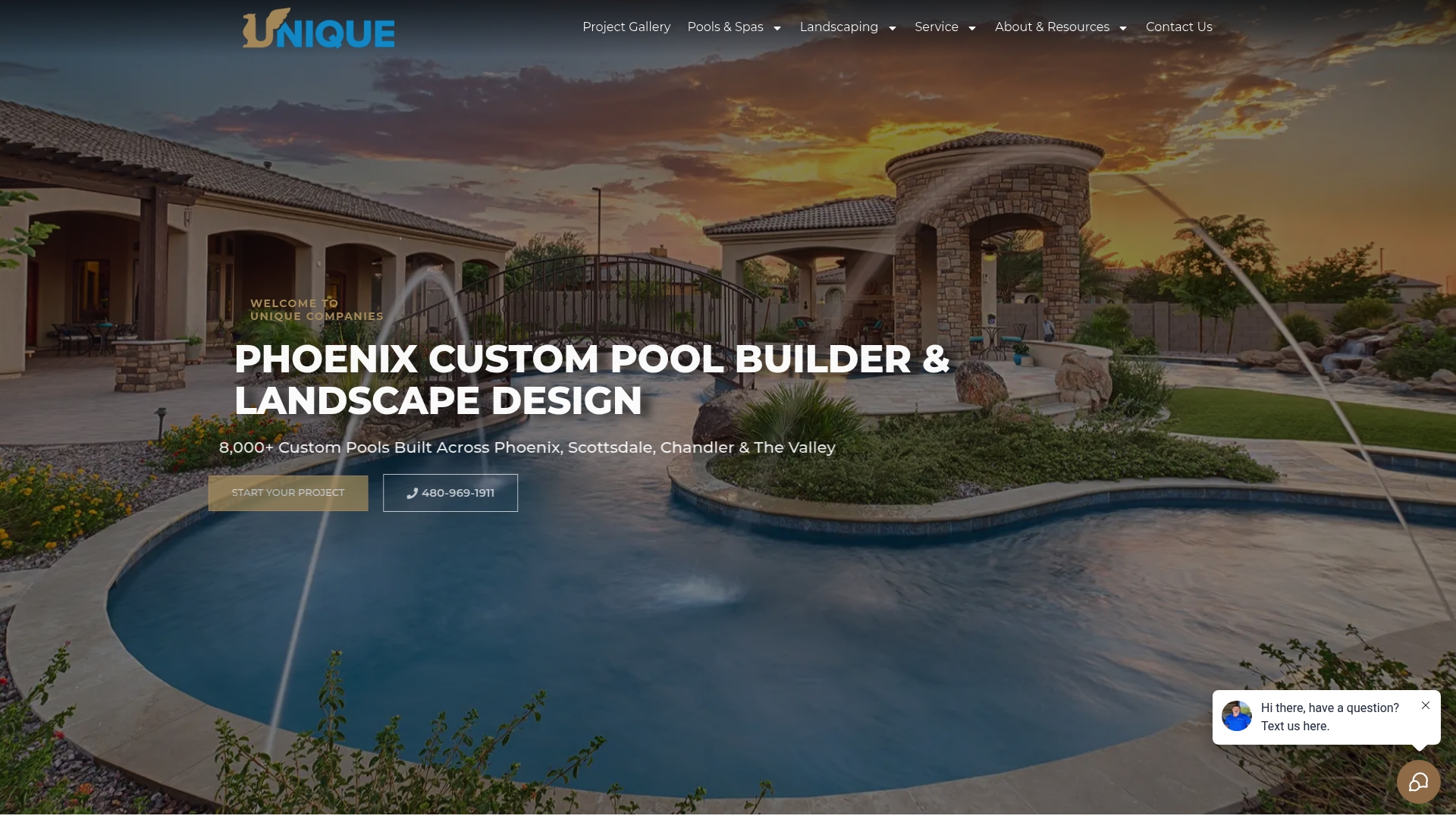
If you are ready to move from concept to construction, Uniquecompanies offers 3D design previews that let you see your finished backyard before any ground is broken. Their custom pool and spa features page outlines the full range of options available for Phoenix-area homeowners. You can also explore completed projects in their resort retreat portfolio to see how integrated spa and outdoor living designs come together at the highest level.
FAQ
How much does a custom backyard spa cost?
Adding a spa to an existing pool costs $8,000 to $20,000, while standalone spas with custom features can exceed $20,000. Electrical upgrades add another $1,500 to $3,000 on average.
What clearance is needed to install a backyard spa?
Backyard access requires at least 38–40 inches of clearance for safe spa delivery and installation. Properties with narrower access may require crane placement.
What materials work best for outdoor spa surfaces?
Travertine, porcelain tile, limestone, and Corian are the most durable choices for wet outdoor spa environments. Each requires proper sealing or installation technique to perform at full longevity.
Does a backyard spa increase home value?
Yes. Homes designed around wellness concepts sell for 10–25% more than comparable non-wellness listings, according to Global Wellness Institute data.
How do i integrate a spa with my existing outdoor living space?
Position the spa within sightlines of your main seating area and connect it to adjacent zones using consistent hardscape materials. Adding a pergola, outdoor kitchen, or water feature nearby creates a cohesive circuit that increases how often the full space gets used.