TL;DR:
- Phoenix backyards require careful planning of shade, circulation, and utility integration to create year-round luxury entertainment spaces. Features like a zone-based outdoor kitchen, custom pool with resort-style elements, and fire features enhance usability and ambiance in this hot climate. Prioritizing layout and connectivity over feature quantity ensures authentic luxury and effortless guest flow.
Phoenix backyards face a specific design challenge that homeowners in most other cities simply don’t encounter: intense heat, relentless sun exposure, and temperature swings that can push 115°F in summer while demanding warming features in January evenings. Creating a truly luxurious outdoor entertainment space here means going well beyond a grill and some patio furniture. This guide walks through a structured, criteria-driven approach to planning outdoor kitchens, pool and spa environments, fire features, and landscaping so that your backyard functions as a genuine gathering place every month of the year, not just during the mild spring window.
Table of Contents
- Set your entertainment criteria: What matters for luxury outdoor living?
- Outdoor kitchen must-haves: Design ideas for Phoenix homes
- Luxury pool and spa features: Transform your backyard into a resort
- Supporting entertainment features: Fire, lighting, and landscaping for all-season enjoyment
- Feature comparison: Which backyard entertainment upgrades offer the most value?
- A fresh perspective: What creates true luxury backyard entertainment in Phoenix
- Discover expert-designed entertainment spaces for Phoenix backyards
- Frequently asked questions
Key Takeaways
| Point | Details |
|---|---|
| Climate-responsive design | Outdoor entertainment must adapt to Phoenix’s sun and heat with smart shade, materials, and flow. |
| Zone-based layouts | Segment kitchens and entertainment areas into functional zones for comfort and usability. |
| Integrated water features | Luxury pools and spas use creative elements like sun shelves and overflow paths to enhance experience. |
| Fire and landscaping | Fire features and thoughtful landscaping complete the ambiance and extend use into nighttime. |
| Comparison-driven decisions | Evaluating feature value head-to-head helps prioritize upgrades for lasting enjoyment. |
Set your entertainment criteria: What matters for luxury outdoor living?
Before selecting any specific features, it pays to define what your backyard actually needs to accomplish. The criteria you establish early will shape every downstream decision about materials, layout, and investment priorities.
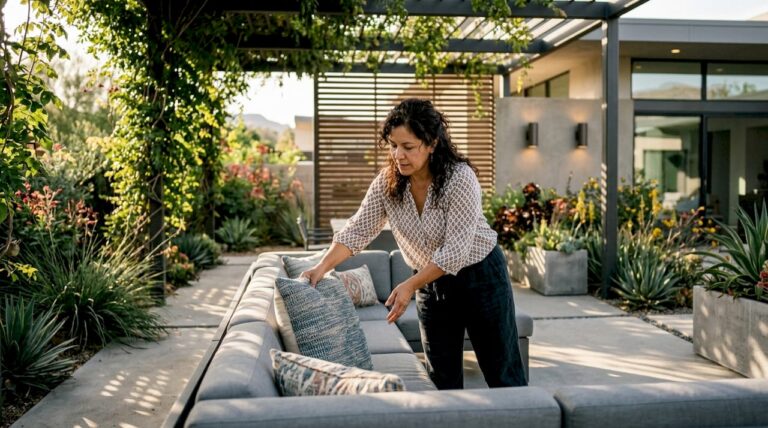
Guest comfort zones are the logical starting point. Phoenix heat shifts the conversation from “how much space do we have” to “how much usable shade do we have.” Comfortable seating, organized movement paths between zones, and access to cooling options are baseline requirements, not premium add-ons. A backyard that seats twenty guests but offers only partial shade at peak afternoon hours will simply go unused for half the year.
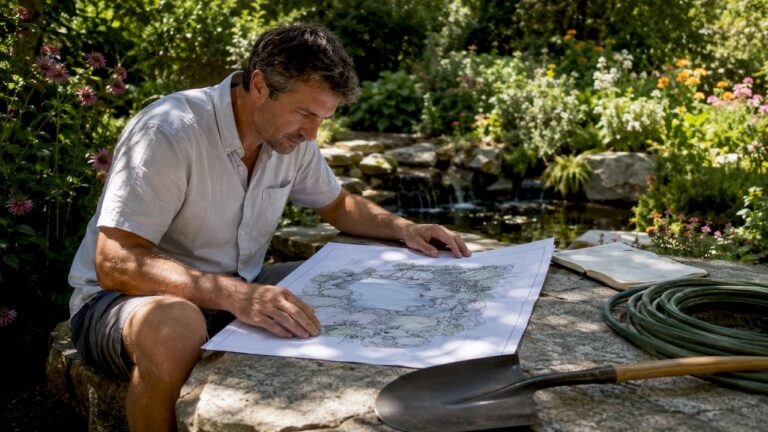
Built-in utility access is equally fundamental. Proper electrical service, gas lines, and plumbing must be positioned before hardscape or structures are finalized. Retrofitting these utilities after concrete is poured adds significant cost and disruption. Plan utility placement as a design variable, not an afterthought.
Climate-adaptive materials extend the usable life of every surface and fixture. Porcelain pavers, powder-coated steel, marine-grade cabinetry, and UV-stabilized shade fabrics all hold up to Arizona’s combination of heat, UV intensity, and occasional monsoon moisture far better than standard residential materials.
Key criteria to define before design begins:
- Expected guest count and frequency of use
- Primary entertainment type (dining, lounging, family recreation, formal hosting)
- Preferred shade strategy (permanent pergola, motorized awnings, combination)
- Budget allocation by zone (kitchen, water features, fire features, landscaping)
- Year-round use requirements versus seasonal priority
Outdoor kitchen design for Arizona works best when the entire space is treated as a series of functional zones rather than a single open area. That same zoning logic applies across every element of the backyard.
Pro Tip: Before finalizing any layout, place temporary furniture in the proposed positions and observe how guests naturally move through the space during an actual gathering. Adjust paths and zone boundaries based on real circulation patterns, not assumptions made on paper.
Grounded in these criteria, let’s explore specific backyard entertainment options tailored for Phoenix.
Outdoor kitchen must-haves: Design ideas for Phoenix homes
The outdoor kitchen is typically the functional anchor of a luxury Phoenix backyard. When designed correctly, it keeps the host integrated with guests rather than isolated inside. When designed poorly, it becomes one of the most expensive underused surfaces in the yard.
Zone-based layout is the outdoor kitchen design principle that separates functional spaces from decorative ones. A complete kitchen should include five distinct zones:
- Prep zone: Counter space adjacent to a sink, with refrigeration accessible nearby.
- Cook zone: Grill, side burners, and optionally a custom pizza oven or smoker unit.
- Cleanup zone: A dedicated sink area with drainage, separated from food prep.
- Serving zone: Counter height or bar height surface where plated food transfers to guests.
- Bar seating zone: Seating directly at the kitchen counter so guests remain engaged during cooking.
Industry guidance confirms that outdoor kitchen zones paired with proper shade and utility placement are what determine whether the kitchen gets regular use or collects dust.
Shade coverage is non-negotiable. A common design mistake is sizing shade only over the cooking station. For true guest comfort, shade coverage must extend beyond the grill area into circulation zones and bar seating. Motorized retractable awnings offer flexibility; wall-mounted versions can be positioned to shade exactly the areas where guests congregate around the cook.
“For Phoenix entertaining, integrate the outdoor kitchen with shade coverage that extends beyond the main grill zone into circulation areas, not just over the cooking station.”
— Shade and outdoor kitchen design guidance for Arizona homeowners
Typical luxury kitchen footprint: A well-appointed outdoor kitchen in Phoenix generally requires approximately 12 by 16 feet of covered space to accommodate the full suite of sink, counter, refrigeration, grill, and bar seating without feeling cramped.
| Kitchen element | Standard design | Luxury design |
|---|---|---|
| Counter material | Tile or basic concrete | Granite or porcelain slab |
| Refrigeration | Single undercounter unit | Double-drawer plus beverage center |
| Shade system | Fixed pergola only | Motorized awning plus pergola |
| Bar seating | None or 2 stools | 4 to 6 integrated bar seats |
| Lighting | Single overhead fixture | Layered task, ambient, and accent |
Pro Tip: Pre-wire conduit for additional electrical circuits before the countertop and cabinetry are installed. Adding a circuit after the fact typically requires breaking into finished work, adding both cost and construction downtime. Think ahead to future additions like outdoor televisions, warming drawers, or upgraded lighting.
Consider adding a fire feature nearby, such as one of the more distinctive patio fire pit ideas that pair well with bar seating areas, to extend usability into cooler evenings.
Once your kitchen is set, the next core of luxury backyard entertainment is the pool and spa area.
Luxury pool and spa features: Transform your backyard into a resort
Water features carry more weight in Phoenix backyards than in almost any other climate. A well-designed pool and spa combination actively lowers ambient temperature through evaporation, creates visual drama, and provides the central circulation hub around which all other entertainment zones orient.
Custom pool features that create a true venue atmosphere go well beyond a rectangular basin with a slide. The defining elements of luxury pool design in Phoenix include:
- Sun shelves (also called tanning ledges): These are shallow platforms, typically about one-half inch of water depth, that sit just inside the pool edge. They serve double duty as a dramatic water element and as a comfortable in-water lounge zone. Guests can sit in chairs directly on the shelf with water at ankle depth, staying cool without swimming.
- Overflow spa integration: A raised spa positioned to spill water down into the main pool creates both visual movement and audible sound that reduces ambient noise from neighbors or traffic. The overflow path itself can be designed as a decorative element.
- Circulation bridges: A custom swimming pool design that incorporates a cast-in-place concrete bridge transforms crossing the water from a practical necessity into a deliberate design experience. Guests interact with the space differently when movement through it has been intentionally choreographed.
- Integrated lounge seating: Built-in benches at water level, swim-up bar extensions, and baja shelves all keep guests anchored to the water zone while remaining engaged with the broader entertainment environment.
Luxury pool entertainment design consistently uses elements that generate a “venue” feeling through water drama and comfortable transitions, while simultaneously solving practical circulation and overflow water management challenges.
| Feature | Standard pool | Venue-inspired pool |
|---|---|---|
| Entry | Steps only | Sun shelf plus steps |
| Spa | Separate unit | Integrated with overflow path |
| Lounge options | Deck chairs only | In-water shelf plus swim-up seating |
| Water movement | Pump return jets | Waterfall, overflow spillway, or fountain |
| Circulation | Single deck path | Bridge or stepping path over water |
The variety of types of backyard pools available to Phoenix homeowners ranges from freeform naturalistic designs to clean geometric resort-style layouts. The choice depends on the architectural style of the home and the formality level desired for entertaining.
With the kitchen and pool zones covered, it’s crucial to unify the entire entertainment environment with supporting features and landscaping.
Supporting entertainment features: Fire, lighting, and landscaping for all-season enjoyment
Phoenix’s climate creates an interesting window for fire features: they are essentially useless during summer but become a central attraction from October through March. A fire pit, fire table, or fire wall extends the usable entertainment calendar and shifts the backyard from a daytime space to an evening destination.
Fire feature options for Phoenix backyards:
- Fire pit (in-ground or raised): Creates a casual gathering circle; works well with flexible seating arrangements that can expand or contract based on guest count.
- Fire table: Combines the warmth and visual drama of a fire feature with functional table surface, ideal for dining-adjacent placement.
- Linear fire wall: A modern architectural element that can define the boundary between zones while providing radiant warmth and visual drama.
Well-chosen garden fire pit dynamics extend the active use period of your outdoor entertainment space well into cooler months while adding a design focal point that draws guests naturally into a gathering posture.
“Fire features provide both drama and practical warmth, making them one of the most versatile backyard investments for homeowners who want year-round outdoor use in desert climates.”
Lighting strategy is often underinvested in luxury outdoor projects, yet it determines whether the space feels professionally designed after dark. A complete lighting scheme includes three layers:
- Ambient lighting: Overhead or perimeter lighting that provides general visibility and sets the mood. String lights, recessed pergola lighting, and lantern-style fixtures all serve this role.
- Task lighting: Focused illumination at the kitchen prep and cook zones, steps, and entry paths where safety requires visibility.
- Accent lighting: Uplighting on plants, grazing light across stone surfaces, and underwater pool lighting that creates drama and visual depth.
Pro Tip: Low-voltage LED lighting systems consume significantly less energy than standard line-voltage systems, can be zoned independently, and are compatible with smart-home controls that allow scene programming for different entertainment settings.
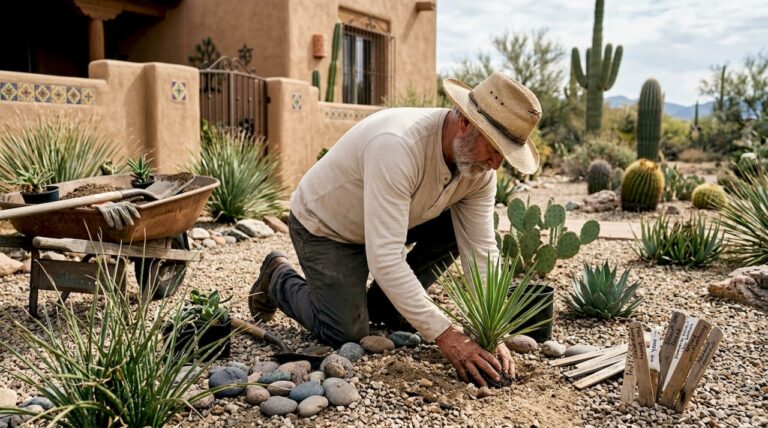
Landscaping and hardscape tie all zones together into a coherent environment. Pool landscape options in Phoenix typically prioritize drought-tolerant plantings (desert willow, bougainvillea, agave varieties), decomposed granite paths, and concrete or porcelain pavers that reflect less heat than traditional brick. Thoughtful plant placement can also provide natural screening for privacy without requiring walls that close off sightlines.
By bringing together kitchen, pool, and supporting features, you turn your backyard into the ultimate entertainment venue. Let’s summarize and compare feature options before choosing your ideal setup.
Feature comparison: Which backyard entertainment upgrades offer the most value?
Making informed investment decisions requires an honest side-by-side view of what each major upgrade category contributes and what it demands in return.
| Feature | Approximate investment range | Maintenance level | Climate value | Entertainment impact |
|---|---|---|---|---|
| Outdoor kitchen | $25,000 to $80,000+ | Moderate | High (shade, utility integration) | Very high |
| Custom pool and spa | $60,000 to $150,000+ | Moderate to high | Very high (cooling, gathering) | Very high |
| Fire features | $3,000 to $25,000 | Low | Seasonal (fall/winter/spring) | High |
| Landscape and hardscape | $15,000 to $50,000+ | Low to moderate | High (shade, flow, comfort) | High |
| Lighting system | $5,000 to $20,000 | Low | Year-round | High (ambiance) |
Pros and cons by feature:
- Outdoor kitchen: Keeps hosting social and integrated; requires proper shade to be usable in summer; highest per-feature complexity.
- Custom pool and spa: Provides the most climate relief in summer; highest initial investment; forms the visual centerpiece of the yard.
- Fire features: Low cost relative to impact; seasonal use in Phoenix; easy to phase into an existing design.
- Landscaping and hardscape: Foundational to overall comfort and flow; often underbudgeted; critical for year-round usability.
- Lighting: Relatively modest cost for significant ambiance improvement; enables evening use of all other features.
If budget requires phasing, most experienced designers recommend starting with shade, hardscape, and utility infrastructure, then adding the kitchen, then the pool, with fire and accent lighting layered in as the final phase.
A fresh perspective: What creates true luxury backyard entertainment in Phoenix
After working on outdoor spaces across Scottsdale, Chandler, Queen Creek, and surrounding communities for over two decades, one observation stands out consistently: homeowners who spend heavily on premium fixtures but underinvest in circulation, shade, and layout rarely get full value from their outdoor spaces. The barbecue grill that costs $8,000 but sits in direct afternoon sun gets used in October and November. The $5,000 fire table placed in an awkward corner gets ignored in favor of the patio chairs near the door.
True luxury in a Phoenix backyard is not measured by the number of features or the price of individual components. It is measured by how intuitively guests move through the space, how naturally they drift from the kitchen to the water to the fire feature without ever feeling exposed or uncomfortable. That quality comes from circulation planning and shade strategy first, feature investment second.
The uncomfortable truth is that most homeowners make decisions in the wrong order. They choose the pool shape, select the kitchen appliances, and then try to fit shade and pathways into whatever space remains. The more reliable approach inverts that sequence entirely: define how people will move and where they will need protection from sun and heat, then design features to serve those zones.
Luxury hardscape designs that prioritize connection between zones consistently outperform designs that treat each feature as an independent island. The path between the kitchen and the pool matters as much as the pool itself.
Pro Tip: Before committing to a permanent layout, place rental furniture in your proposed positions and host one actual gathering. Observe where guests congregate naturally, where they avoid, and what movements feel awkward. That single test event will reveal more about your backyard’s needs than any design software session.
Discover expert-designed entertainment spaces for Phoenix backyards
Translating the criteria, features, and design principles in this guide into a finished backyard requires more than good planning. It requires experienced execution, coordinated permitting, and construction that delivers on the design intent without compromise.
At Unique Companies, we bring over 24 years of Phoenix-area outdoor living experience to every project, handling design, permitting, and construction in-house for a seamless process. Whether you’re ready to build unique outdoor kitchens that function as true entertainment anchors, add custom pool features that transform your backyard into a resort-quality retreat, or explore the full range of possibilities through our premium outdoor living design services, our team is equipped to guide you from initial concept through final construction with clarity and confidence.
Frequently asked questions
What is the ideal size for a luxury outdoor kitchen in Phoenix?
The recommended covered footprint is about 12 by 16 feet once sink, counter space, refrigeration, and bar seating are included, providing enough room for all functional zones without crowding.
How can I keep guests comfortable in a Phoenix outdoor kitchen?
Shade coverage must extend beyond the grill station into bar seating and adjacent movement zones; retractable or wall-mounted motorized awnings give you flexible control over coverage throughout the day.
What are popular luxury pool features for entertainment?
Sun shelves, integrated overflow spa paths, and circulation bridges over water create a venue atmosphere while addressing practical overflow and guest movement challenges that standard pool designs often overlook.
Does landscaping matter for backyard entertainment?
Yes, well-planned landscaping creates visual and physical continuity between kitchen, pool, and fire zones, and it contributes meaningfully to ambient temperature, privacy screening, and the overall sense that the space was designed as a cohesive environment rather than assembled feature by feature.
What’s the simplest way to upgrade backyard entertainment?
Start with a defined shade strategy and organized seating layout, then integrate a covered outdoor kitchen as your first major feature, since it delivers the most consistent guest interaction and daily usability relative to its investment.