TL;DR:
- A well-designed backyard retreat offers privacy, comfort, and sensory calm through strategic zoning and layered landscaping. Proper site analysis, functional zone planning, and thoughtful lighting ensure a balanced, durable, and inviting outdoor space. Layered planting and professional structural work create a personalized and long-lasting environment that promotes relaxation and usability.
A backyard retreat is a purposefully designed outdoor living space that delivers privacy, comfort, and sensory calm through structured zoning, landscaping, and built amenities. Unlike a standard yard, a well-planned outdoor retreat separates activities into distinct areas, uses natural elements to control sightlines, and incorporates lighting and sensory features that make the space genuinely restorative. This guide covers how to create a backyard retreat from the ground up, whether you are planning a modest DIY project or a fully custom build. You will find practical steps on zoning, privacy planting, structure construction, lighting design, and the tools needed to execute each phase with confidence.
How to create a backyard retreat through smart zoning
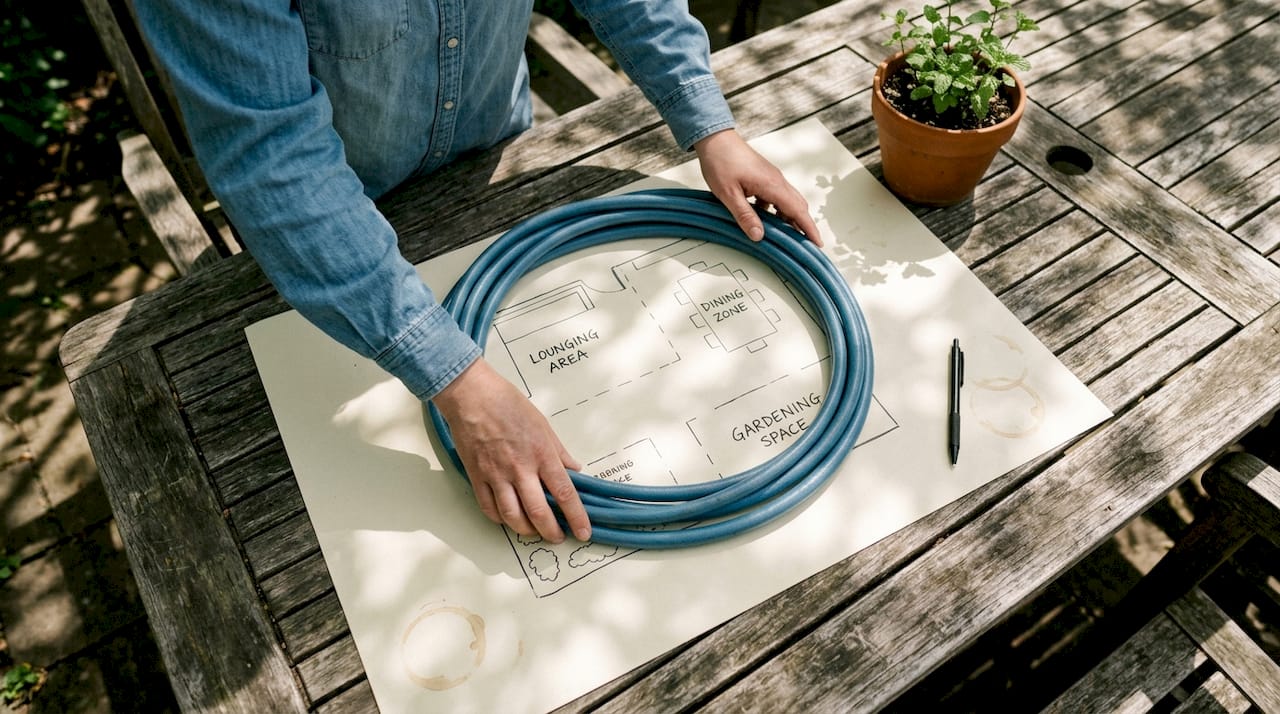
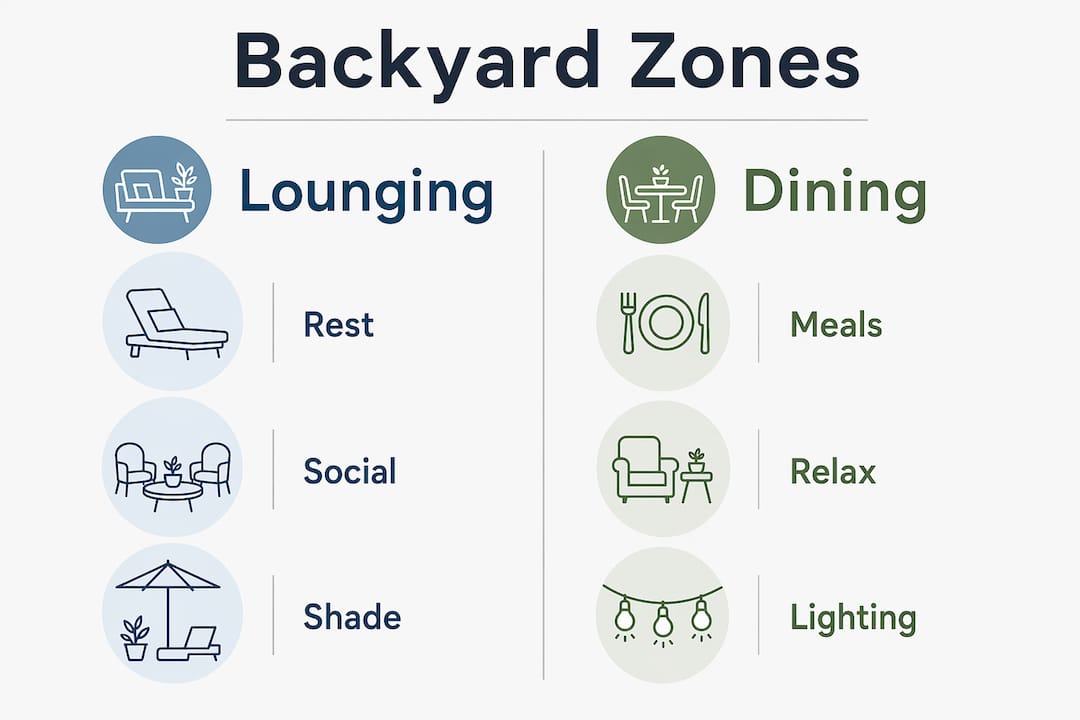
Zoning is the single most effective design decision you can make when planning an outdoor retreat. Dividing your yard into distinct zones like lounging, dining, and wellness corners creates intentional flow and prevents the visual clutter that makes backyards feel chaotic. Each zone serves one primary function, which means activities do not compete with each other and the space feels larger and more deliberate. A well-zoned backyard reduces interference between activities, which directly enhances relaxation and usability.
Here is a practical sequence for zoning your outdoor space:
- Map your yard dimensions and identify the natural focal points, such as a mature tree, a fence line, or an existing patio slab.
- Assign one function per zone: a lounging area with seating and shade, a dining zone near the kitchen or grill, and a wellness corner for a spa, fire pit, or meditation space.
- Define zone boundaries using landscaping, a change in paving material, a low retaining wall, or a subtle elevation shift of six to twelve inches.
- Plan circulation paths between zones with stepping stones, gravel, or pavers at least 36 inches wide to allow comfortable foot traffic.
- Review sun exposure for each zone at different times of day before finalizing placement, since a dining area in full afternoon sun in Phoenix becomes unusable by 3 p.m. in summer.
Pro Tip: Use a garden hose to outline each zone on the ground before committing to any construction. Walking the layout at full scale reveals awkward transitions and undersized areas that a sketch on paper will miss.
The table below shows how common zone types differ in their design priorities:
| Zone type | Primary function | Key design element |
|---|---|---|
| Lounging area | Rest and conversation | Shade structure, comfortable seating |
| Dining zone | Outdoor meals and entertaining | Proximity to kitchen, level surface |
| Wellness corner | Spa, fire pit, or meditation | Privacy screening, ambient lighting |
| Play or activity zone | Recreation | Open space, durable ground cover |
Consulting a resource like 6 things to consider before finalizing your zone layout can prevent costly revisions later.
How does landscaping create privacy in a backyard retreat?
Layered sightline control using trees, shrubs, and vertical gardens creates a calming enclosure without the boxed-in feeling that solid fences produce. This approach, sometimes called a “living screen,” uses plant height and density at multiple levels to block views from neighbors and the street while maintaining airflow and visual depth. The role of landscaping in backyard retreats extends beyond aesthetics. Dense plantings also absorb and deflect ambient noise, which is particularly valuable in urban and suburban settings where traffic or neighbor activity interrupts outdoor calm.
Effective privacy planting strategies include:
- Tall canopy trees such as Italian Cypress or Desert Willow planted along property lines to block upper-story sightlines from neighboring homes.
- Mid-height shrubs like Texas Sage or Oleander (where permitted) placed in staggered rows to fill the six to twelve foot visual band.
- Vertical gardens or trellis panels mounted to existing fences to add density without requiring additional ground space, a practical solution for small urban yards.
- Ornamental grasses like Pampas Grass or Mexican Feathergrass used at seating level to soften edges and add movement.
The comparison below shows how natural barriers and solid fences differ in practical performance:
| Feature | Natural plant barrier | Solid fence |
|---|---|---|
| Privacy level | High (with layering) | High |
| Noise reduction | Moderate to high | Low to moderate |
| Visual warmth | High | Low |
| Maintenance | Seasonal pruning | Periodic painting or sealing |
| Cost over time | Increases in value | Depreciates |
In small urban yards, framing seating areas as garden rooms with natural screens creates privacy and comfort without visual enclosure. Screens and planting enhance depth and break horizontal fence lines, producing intentional, cozy spaces. For ideas on integrating plants with hardscape and decorative elements, Uniquecompanies offers landscaping and outdoor decorating guidance tailored to Arizona’s climate.
Pro Tip: Plant in odd-numbered groupings of three or five rather than symmetrical rows. Staggered placement looks more natural and closes visual gaps more effectively than a single straight line of shrubs.
What to know before building backyard retreat structures
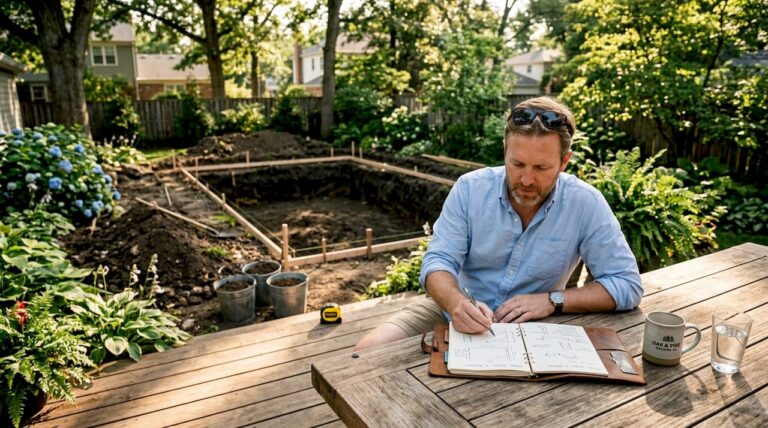
Building backyard retreat structures requires site analysis covering topography, sun path, and drainage before any ground is broken. Skipping this step leads to structures that flood after rain, overheat in afternoon sun, or sit awkwardly relative to the rest of the yard. Proper site analysis is not a luxury. It is the foundation of a structure that performs well for decades.
Follow this sequence when planning and building a pergola, cabana, or covered outdoor room:
- Conduct a site analysis: Walk the site at 8 a.m., noon, and 4 p.m. to map sun angles. Identify low points where water pools after rain and note any mature trees whose root zones should be protected.
- Prepare the ground base: A compacted gravel pad of four to six inches topped with crushed stone provides drainage and a stable foundation for post footings. Concrete footings are required for any structure over 200 square feet in most jurisdictions.
- Frame the structure: Use pressure-treated lumber for any members within six inches of the ground. Cedar and redwood are preferred for visible framing due to their natural resistance to moisture and insects.
- Reach the dry-in stage: Meeting dry-in milestones by the end of the first build day, with layered roofing and siding installed, prevents moisture intrusion that causes mold, odors, and structural damage.
- Integrate electrical safely: Run conduit during framing, before walls or ceilings close in. Use weatherproof junction boxes and GFCI-protected outlets rated for outdoor use.
Structural retreats should follow the natural terrain grade for circulation rather than forcing flat layouts. Working with the existing grade rather than against it enhances natural flow, reduces excavation costs, and produces a more comfortable finished space. Source: Sunset
For pergola and patio construction guidance, deck and pergola specialists can provide structural and permitting support when a project exceeds DIY scope.
Key materials to have on site before starting:
- Pressure-treated 4×4 or 6×6 posts
- Galvanized post base hardware
- Composite or cedar decking boards
- Roofing underlayment and drip edge flashing
- Weatherproof electrical conduit and GFCI outlets
Good backyard retreat design respects existing landscape features, preserving mature trees and soils to enhance aesthetics and sustainability. Landscape professionals recommend protecting mature trees’ root zones to avoid damage and preserve shade benefits that would take decades to replace.
Designing lighting and sensory features for atmosphere
Outdoor lighting between 2700K and 3000K color temperature creates warm, inviting atmospheres ideal for residential retreats. At 2700K, the light reads as soft and amber, similar to candlelight. At 3000K, it is slightly crisper but still warm enough to feel welcoming rather than clinical. Both ranges enhance comfort and aesthetic appeal without the harsh, flat quality of daylight-spectrum bulbs above 4000K.
Effective outdoor lighting uses three layers working together:
- Ambient lighting: String lights or overhead fixtures on a pergola provide general illumination and set the overall mood for the space.
- Path lighting: Low-profile bollard or step lights define circulation routes and prevent trip hazards without drawing attention away from the space itself.
- Accent or spotlights: Directional fixtures highlight specimen plants, water features, or architectural elements to add visual depth after dark.
Sensory anchors and low-decision automation reduce mental friction and enhance the calming experience of an outdoor retreat. Practically, this means adding a small recirculating water feature for ambient sound, planting fragrant species like lavender, jasmine, or rosemary near seating areas, and setting lighting on a timer or smart controller so the space is ready without any manual setup. Automation removes the small decisions that interrupt the transition from work mode to rest mode.
Pro Tip: Install a dedicated outdoor lighting circuit with a smart timer or astronomical clock that adjusts automatically to seasonal sunset times. This keeps the space consistently inviting without requiring daily adjustment.
For Phoenix-specific ideas, Uniquecompanies covers outdoor lighting ideas that account for the desert climate and extended outdoor living season. Their landscape lighting service integrates LED systems directly into pergola and hardscape structures for a clean, professional finish.
Essential tips for DIY backyard retreat projects
A successful DIY outdoor retreat project depends on preparation, realistic timelines, and knowing when a task exceeds safe DIY scope. The most common failures, poor drainage, inadequate privacy, and undersized structures, all trace back to planning gaps rather than construction errors.
| Phase | Suggested timeline | Common mistake |
|---|---|---|
| Site analysis and design | 1 to 2 weeks | Skipping sun path and drainage review |
| Permits and material ordering | 2 to 4 weeks | Underestimating lead times for lumber and pavers |
| Ground prep and foundation | 1 to 2 days | Insufficient compaction of gravel base |
| Framing and dry-in | 1 to 2 weekends | Not reaching dry-in stage before rain exposure |
| Finishing and landscaping | 1 to 3 weeks | Planting too close to structures |
Follow this sequence to keep the project on track:
- Pull all required permits before ordering materials. Permit requirements vary by municipality, and unpermitted structures can complicate home sales.
- Order materials with a 10 percent overage for lumber and pavers to account for cuts and breakage.
- Complete all underground work, drainage, conduit, and irrigation, before laying any surface material.
- Build structures before planting, since construction traffic and equipment damage established plants.
- Add lighting and sensory features last, once the structural and planting layout is confirmed.
Pro Tip: Hire a licensed electrician for any outdoor electrical work, even on an otherwise DIY project. Outdoor wiring errors are a leading cause of deck and pergola fires, and most homeowner insurance policies exclude unpermitted electrical work.
For multi-step site prep and structural build guidance, detached structure specialists offer process frameworks that translate well to backyard retreat construction.
Key Takeaways
A backyard retreat succeeds when zoning, privacy landscaping, structural integrity, and sensory design work together as a unified system rather than as separate additions.
| Point | Details |
|---|---|
| Zone before you build | Assign one function per area and define boundaries before any construction begins. |
| Use layered planting for privacy | Staggered trees, shrubs, and vertical screens outperform solid fences for noise and visual control. |
| Site analysis prevents costly errors | Map sun paths, drainage, and root zones before placing any structure or hardscape. |
| Match lighting to 2700K to 3000K | This color temperature range produces warm, restorative light suited to outdoor relaxation. |
| Automate sensory features | Timers, water features, and scent planting reduce daily friction and reinforce the retreat experience. |
What I have learned from watching backyards transform
After observing hundreds of outdoor living projects across the Phoenix metro area, the pattern that separates genuinely restorative retreats from expensive yards is intentionality at the planning stage. Homeowners who spend two weeks on site analysis and zone mapping consistently end up with spaces they use daily. Those who skip straight to material selection often build something that looks good in photos but fails in practice because the dining area faces west into the afternoon sun or the lounge zone sits directly in the neighbor’s sightline.
The privacy question surprises most people. A six-foot block wall feels like the obvious answer, but it creates a hard, institutional boundary that actually reduces the sense of calm. Layered planting takes longer to establish, but the result is a space that feels genuinely enclosed without feeling confined. In my experience, this distinction matters more to long-term satisfaction than any single material or fixture choice.
Lighting is consistently underestimated. Most homeowners plan for one or two fixtures and then wish they had run more conduit during framing. The 2700K to 3000K range is not just an aesthetic preference. It is the range where the human eye reads a space as safe and comfortable after dark, which is why it directly affects how often the retreat gets used in the evening hours.
The most practical advice I can offer is this: build the structure first, plant second, and light last. Each phase informs the next, and reversing that order creates expensive rework. A backyard retreat is not a single project. It is a layered process, and the homeowners who treat it that way end up with spaces that genuinely serve them for years.
— Philipp
How Uniquecompanies can take your backyard retreat further
Uniquecompanies has spent over 24 years designing and building custom outdoor living environments across Scottsdale, Chandler, Queen Creek, and the broader Phoenix metro area. Their in-house team handles design, permitting, and construction as a single integrated process, which eliminates the coordination gaps that slow down multi-contractor projects. If your retreat vision includes a custom pool or water feature, a fully equipped outdoor kitchen, or a luxury multi-zone outdoor space, Uniquecompanies provides 3D design previews so you can see the finished result before construction begins. Contact their team for a personalized consultation and a design tailored to your property and lifestyle.
FAQ
What is a backyard retreat?
A backyard retreat is a purposefully designed outdoor space that provides privacy, comfort, and sensory calm through zoning, landscaping, and built amenities. It differs from a standard yard by organizing activities into distinct functional areas and using design elements to support relaxation.
How do I start planning a backyard retreat?
Start with a site analysis that maps sun exposure, drainage patterns, and existing features like mature trees before assigning zones or selecting materials. Defining your functional zones first prevents structural and planting decisions that conflict with each other.
What plants work best for backyard privacy?
Layered combinations of tall canopy trees, mid-height shrubs, and vertical garden panels provide the most effective privacy without the enclosed feeling of a solid fence. In Arizona climates, Italian Cypress, Texas Sage, and Desert Willow are reliable performers.
What color temperature is best for outdoor lighting?
Landscape lighting between 2700K and 3000K produces warm, inviting light that enhances comfort and aesthetic appeal in residential outdoor spaces. Fixtures above 4000K read as cool and clinical, which reduces the restorative quality of the space.
When should I hire a professional instead of doing it myself?
Hire a professional for any work involving structural footings, electrical wiring, or projects requiring permits in your municipality. DIY is practical for planting, lighting fixtures, and surface finishes, but structural and electrical errors carry safety and insurance risks that outweigh the cost savings.