Maintaining a beautiful pool and backyard in Gilbert is a balancing act between enjoyment and conservation. The town sits within Arizona’s desert, where high UV levels and triple‑digit summer days push water chemistry out of balance and accelerate evaporation. According to the Arizona Department of Water Resources, about 70 % of residential water in the state is used outdoors and pools/spas account for roughly 16 % of that demand. A standard uncovered pool in Arizona can lose four to six feet of water every year to evaporation and refilling. As water shortages and conservation measures become the norm, Gilbert homeowners need strategies that keep their pools refreshing without wasting precious resources.
Understanding Gilbert’s Water Challenges
The combination of intense sun and low humidity means evaporation is relentless. With most of the town’s residential water going to outdoor uses, every drop saved counts. Pools lose water not only to evaporation but also through splash out and backwashing. Gilbert’s hot, dry climate often requires more refilling, which can spike calcium hardness and upset water chemistry. Recognizing the scale of this water loss is the first step toward a more sustainable backyard.
Gilbert’s government has established a drought management plan with escalating stages that limit irrigation days and encourage residents to audit their water use. Homeowners can schedule free water‑efficiency checkups through the town’s conservation program to evaluate irrigation timers, inspect pool equipment and identify leaks. After the inspection, staff provide customized recommendations, such as calibrating timers to water only during early morning hours or installing soil‑moisture sensors. Gilbert also offers rebates for smart irrigation controllers, low‑flow fixtures and turf removal, incentivizing residents to adopt water‑saving technologies. These resources underscore the need to think holistically about both pool and landscape when creating a conservation plan.
Smart Pool Maintenance and Equipment Choices
To conserve water and energy in Gilbert, adopt equipment and maintenance practices specifically tuned for desert conditions:
- Use a reflective pool cover: A cover can save 90–95 % of water lost to evaporation. Reflective covers reduce heat gain, keeping water comfortable without over‑heating.
- Design the overflow and splash troughs to recapture water: Ensure overflow pipes can be plugged and that splash troughs drain back into the pool system.
- Install windbreaks: Fences, shrubs and trees act as wind barriers. Seven‑mile‑per‑hour winds can increase evaporation losses by 300 %, so planting low‑water trees like palo verde or ironwood can cut losses while adding shade.
- Minimize fountains and waterfalls: Aeration features look beautiful but accelerate evaporation. Limit these features or design them to recirculate water efficiently.
- Choose efficient pumps and filters: A 0.75‑horsepower pump is sufficient for most residential pools. Run pumps no longer than three hours a day and consider solar‑powered or variable‑speed models. Cartridge filters reduce the need for backwashing, saving water.
- Monitor fill levels and chemical balance: Don’t overfill the pool; use a water meter to detect leaks and balance chemicals regularly to minimize draining.
Beyond these essentials, consider automating your maintenance routines. Automatic water‑levelers add water only when the level drops below a set point, preventing wasteful overflows. Variable‑speed pumps can be programmed to ramp up during cleaning cycles and slow down for regular circulation, offering additional energy savings. Pair these devices with a smart controller to schedule filtration, heating and lighting based on usage patterns and off‑peak electricity rates. Incorporate a solar pool heater to extend swim season without increasing your energy bill. While the upfront cost of advanced equipment is higher, the long‑term savings in water and power make these upgrades worthwhile.
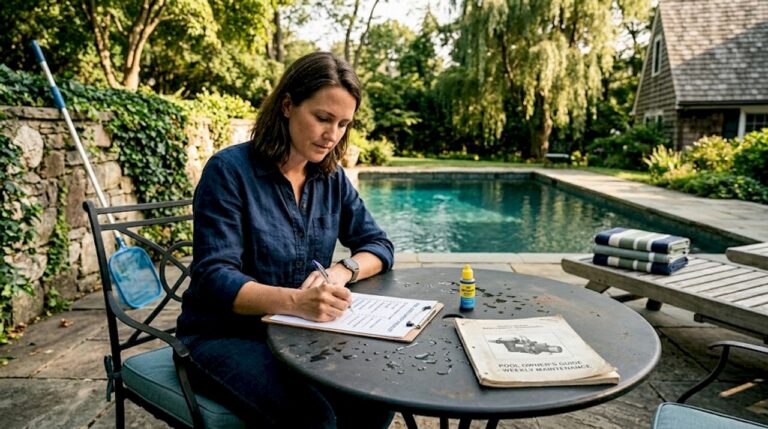
Regular inspection of your pool’s surface and equipment also keeps systems running efficiently. Inspect and clean skimmer baskets weekly to maintain optimal flow. Monitor filter pressure – high readings indicate a dirty filter that wastes energy. If you have a sand filter, backwash only when the pressure rises 8–10 psi; this conserves water compared to automated backwashing. Consider investing in a robotic pool vacuum to keep debris from clogging your filter and reducing circulation. Consistent maintenance reduces the need for chemical adjustments, minimizing both water waste and operating costs.
Desert‑Friendly Landscaping and Shade Strategies
Landscaping plays a major role in water conservation and comfort. Surround your pool with drought‑tolerant plants such as brittlebush, penstemon and desert willow. These native species require little irrigation and provide habitat for local wildlife. Incorporate gravel or decomposed granite rather than grass to reduce irrigation. Position pergolas or shade sails on the west side of the pool to block afternoon sun. Vegetated windbreaks not only reduce evaporation but also create privacy and soften desert winds. When choosing hardscape materials, opt for light‑colored decking to reflect heat and keep walking surfaces cooler.
To maximize biodiversity and aesthetics while conserving water, design planting zones based on microclimate. Areas closest to the pool are typically cooler due to evaporation; these spaces can accommodate slightly lusher plants like Texas sage, rosemary and trailing lantana, which offer fragrance and color without heavy watering. Upland zones farther from the water feature should be planted with true xeric species such as ocotillo, chuparosa and red yucca that thrive in reflected heat. Incorporate rain gardens or shallow swales to capture stormwater during monsoon events and direct it to thirsty plants rather than letting it run off. Use mulch around plant bases to retain moisture and moderate soil temperature.
Shade can also become a focal point of your design. Consider custom pergolas crafted from reclaimed wood or powder‑coated steel that cast striking patterns on your deck. Add climbing vines such as Baja passionflower or cat’s claw creeper to pergola posts for seasonal blooms and extra cooling. Portable shade sails allow you to adjust coverage throughout the year, providing relief during peak heat yet letting in winter sun to warm the water. Because reflective surfaces can intensify heat, choose finishes and fabrics with light colors and UV‑resistant coatings to reduce heat absorption.
A Sustainable Approach to Backyard Living in Gilbert
Combining efficient equipment with desert‑adapted landscaping turns a backyard oasis into an example of stewardship. By reducing evaporation and energy use, you protect both the environment and your investment. For homeowners ready to take the next step, partnering with a custom pool builder in Gilbert who understands local codes and soil conditions will ensure your water‑wise design still feels luxurious.
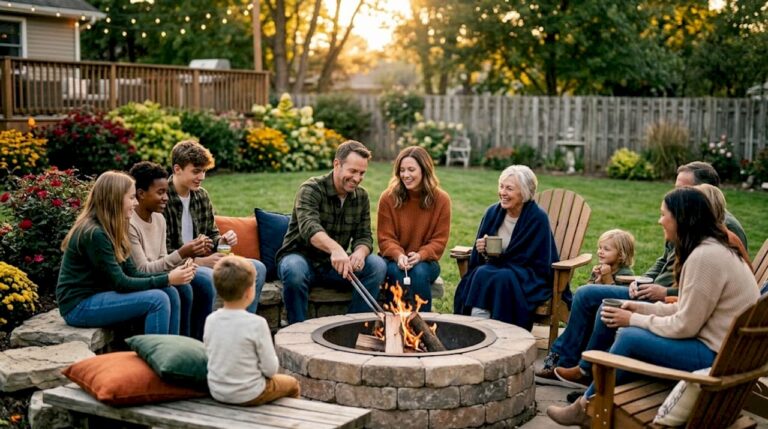
Sustainability doesn’t mean compromising on amenities. You can integrate outdoor kitchens, fire pits and even splash pads into your design while still meeting conservation goals. High‑efficiency grills, low‑flow outdoor faucets and LED lighting keep utilities under control. Position dining and lounging areas on permeable paving to reduce heat islands and increase groundwater recharge. When selecting furniture, look for sustainable materials such as reclaimed wood, recycled plastic or powder‑coated aluminum that resist weathering under intense sun. Incorporating solar‑powered lighting and small photovoltaic panels on pergolas can power garden lights and pumps without drawing from the grid.
Finally, think beyond your property line. Contribute to Gilbert’s overall water resilience by participating in community programs such as xeriscape open houses or volunteering at the Riparian Preserve at Water Ranch. Sharing your experiences with neighbors through social media or neighborhood newsletters encourages others to adopt similar practices, amplifying the impact of each pool owner’s efforts. When each household commits to water stewardship, the collective savings help ensure the community remains a vibrant place to live.
- Irrigation schedules: During drought declarations, the town may restrict landscape watering to certain days and times. Adhering to these guidelines helps ensure there’s enough supply for everyone.
- Pool filling: Pool draining and refilling may be discouraged or require permits in severe drought stages. Keep your pool covered and maintain equipment to avoid unnecessary refills.
- Rebates and assistance: Check Gilbert’s conservation program for rebates on smart controllers, rainwater harvesting and turf conversion. These incentives can offset the cost of water‑saving upgrades.
- Native shrubs and trees: Palo verde, mesquite, desert willow and chuparosa thrive in Gilbert’s climate with minimal irrigation.
- Shade structures: Pergolas, ramadas and shade sails provide relief from afternoon sun. Combine them with vines like bougainvillea for added cooling.
- Groundcover alternatives: Use decorative rock, decomposed granite or synthetic turf to minimize water use.
- Water‑wise accents: Incorporate potted cacti and succulents for texture and color without increasing irrigation.
- Install a pool cover: It’s the single most effective tool for saving water, cutting evaporation by up to 95 %.
- Use windbreaks: Fences and desert trees reduce wind across the pool’s surface, lowering evaporation.
- Limit aeration: Fountains and waterfalls look nice but increase evaporation. Keep them off during the hottest months.
- Maintain water level: Don’t overfill the pool; monitor for leaks.