If you live in Arizona, your outdoor space isn’t just a yard — it’s part of your daily life. And in a climate like ours, it’s often the most-used “room” in the house.
But by 2026, expectations for outdoor living have evolved. Homeowners across Phoenix, Chandler, and Scottsdale aren’t just planting desert shrubs or laying down pavers — they’re rethinking how outdoor spaces work, look, and feel.
Whether you’re starting fresh with a new build or planning a backyard refresh, understanding where Phoenix landscape design is headed can help you invest in the right ideas, materials, and layouts that will last.
This guide breaks down the most relevant, realistic trends in Arizona landscape design this year — the ones that will not only stand up to the desert climate but also support the way Arizona families live outdoors in 2026.

1. Phoenix Landscape Design Focuses on Climate-Smart Beauty
Function and sustainability are no longer bonus features — they’re baseline expectations. In 2026, phoenix landscape design is about more than just surviving the heat. It’s about thriving in it — without giving up style.
Key trends:
Native and adaptive planting: Plants that not only survive but support pollinators and reduce water use
Hydrozoning: Grouping plants by water needs for smarter irrigation
Smart irrigation systems: Controlled from your phone, connected to weather data
Permeable hardscape materials: Reduce runoff, improve drainage
Many Arizona backyard design plans now include areas with artificial turf not just for looks, but for cooling, safety, and kid/pet use — integrated with natural plantings and materials to avoid the “fake” look.
Arizona landscape design in 2026 is less about rock yards and more about thoughtful layering.
2. Multi-Use Outdoor Zones Are the New Standard
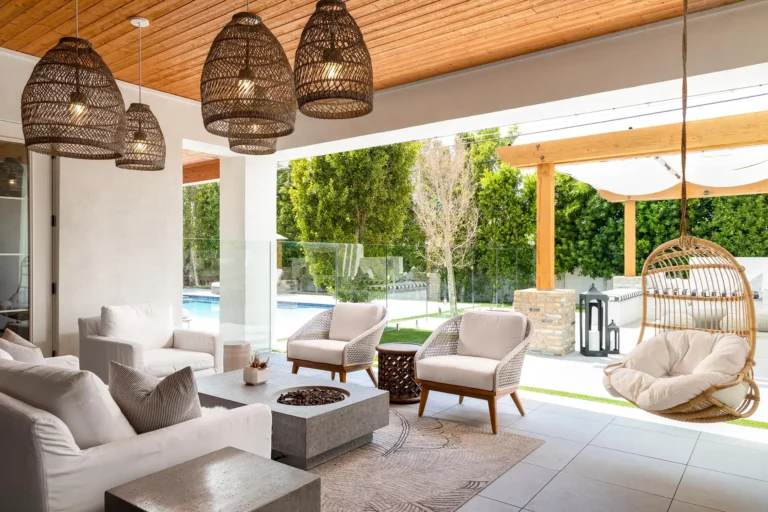
Today’s Arizona homeowners aren’t just asking for “a nice patio.” They want outdoor spaces that function like real rooms — from early morning coffee zones to shaded afternoon lounging, to evening firepit gatherings.
Popular outdoor zones in modern landscape design phoenix:
Lounge areas with pergolas or shade sails
Built-in dining zones with outdoor kitchens or grills
Sunken fire pits for cool nights in the desert
Kid zones or splash pads for young families
Pet-friendly turf areas
Flex areas that transition from yoga to entertaining
Phoenix landscaping now blends lifestyle, lighting, and layout. We’re not just creating one beautiful corner — we’re designing the entire flow of the space.
In cities like Chandler and Scottsdale, this zoning concept is especially popular for custom homes with deeper lots. Whether you’re working with landscape design in Chandler or planning a modern Scottsdale backyard, separating your yard into intentional zones maximizes usability year-round.
3. Simpler Materials, Bolder Contrast
The visual trend in 2026? Clean lines, natural materials, and contrast.
Arizona landscaping is moving away from heavy textures and toward materials that reflect light, resist heat, and age gracefully.
Material shifts:
Lighter-toned pavers instead of dark flagstone
Matte finishes on tile and metals to reduce glare
Black metal accents (pergolas, lighting, railing) for modern contrast
Wood-look porcelain tile for warmth without maintenance
Smooth stucco walls paired with textured desert plants
Designers working in phoenix landscaping are prioritizing a balance between bold and breathable. There’s a focus on minimalism, but with curated layers that bring warmth — especially when paired with lighting and softscape.

4. Arizona Pool Landscaping Is Fully Integrated
In 2026, you’re not designing your pool and your yard — you’re designing one seamless outdoor environment.
That’s why pool landscaping phoenix has become one of the most important conversations in early design.
Today’s homeowners expect:
Tanning ledges that transition into turf or deck zones
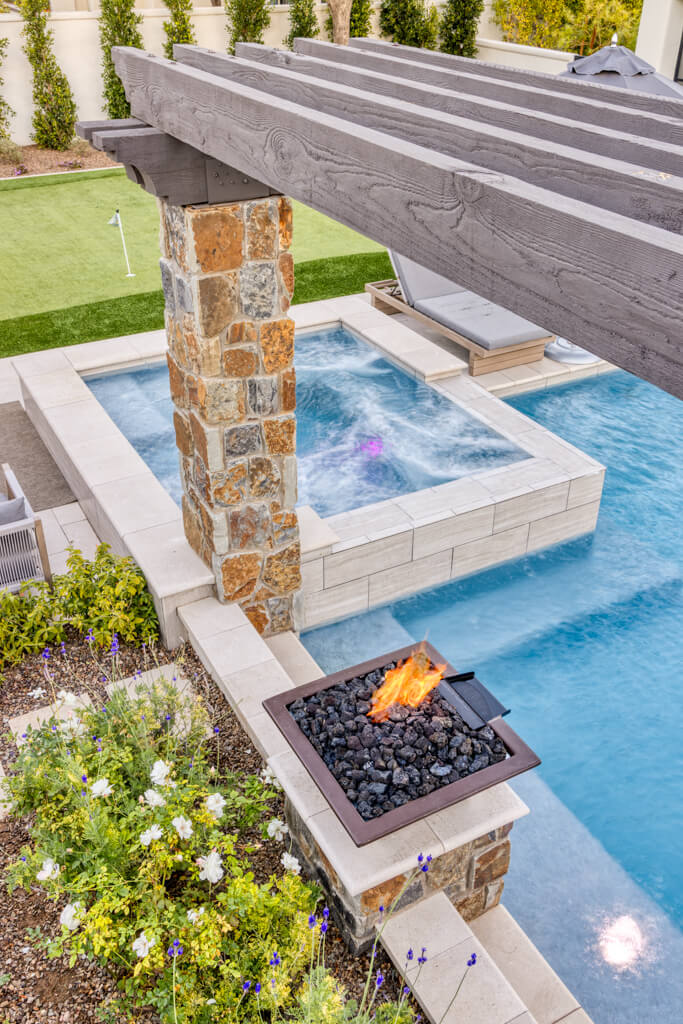
Integrated spas that double as architectural features
Decking that connects the pool to the dining area or fire pit
Lighting that carries through water and landscape zones
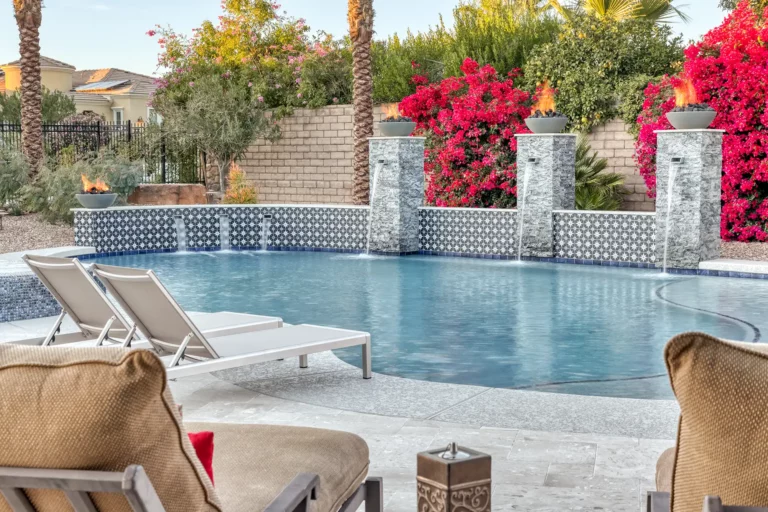
Water features that also serve as sound buffers
Modern arizona pool landscaping must consider how pool users move through the space — not just how it looks from the kitchen window.
In scottsdale backyard design, where entertaining is common, the pool is often a centerpoint — but the surrounding landscape creates the experience.
5. Lighting and Outdoor Tech Take Center Stage
Homeowners in Phoenix, Chandler, and Scottsdale want outdoor spaces that function at night — and that means lighting is no longer an afterthought.
2026 lighting trends in arizona landscape design:
Soft, indirect lighting under seat walls and steps
Path lighting built into concrete or decking
Uplighting to accent trees or cacti
Smart controls via app or voice (Alexa, Google Home)
But it goes beyond lighting.
Arizona homeowners are now asking for:
Wi-Fi extenders
Weatherproof speakers
Outdoor TVs
Smart irrigation and lighting on a single dashboard
Modern landscape design in Phoenix includes technology that’s simple, subtle, and integrated. This is especially important for clients seeking long-term value, or preparing their home for resale.
6. What’s Out in 2026 Phoenix Landscape Design?
As trends evolve, certain styles are phasing out — especially those that don’t function well in our environment.
On the decline:
Large lawns: High water use, high maintenance
Dark pavers or gravel: Retain too much heat
Crowded planting beds: Maintenance-heavy and often fail in extreme temps
Disconnected pool and yard layouts: Today’s clients expect full integration
Homeowners working with landscape design Scottsdale or high-end areas like Paradise Valley are especially interested in timeless minimalism — modern but grounded, and built to last in the desert.
Functional outdoor zones are the top trend. Homeowners want separate areas for lounging, dining, playing, and entertaining — all seamlessly connected.
It’s shaped by climate, sun exposure, and water concerns — requiring smarter materials, native plants, and shade planning that works year-round.
Yes. Today’s arizona pool landscaping trends focus on full integration. Designing together avoids layout mistakes and improves visual flow.