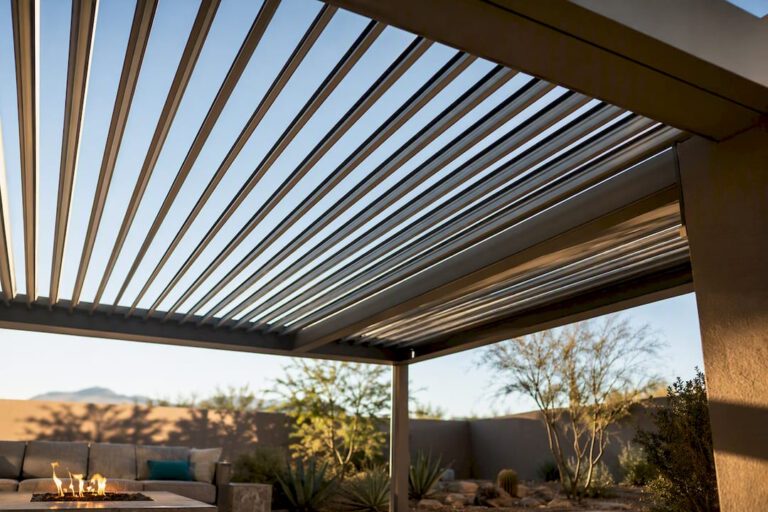
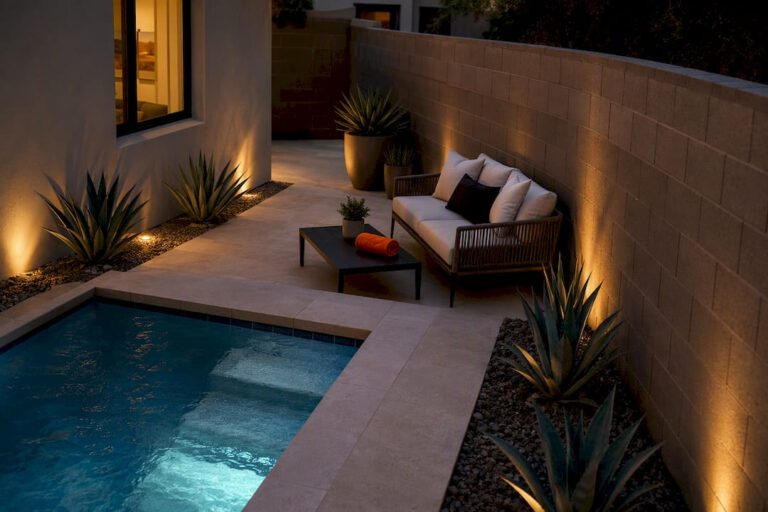
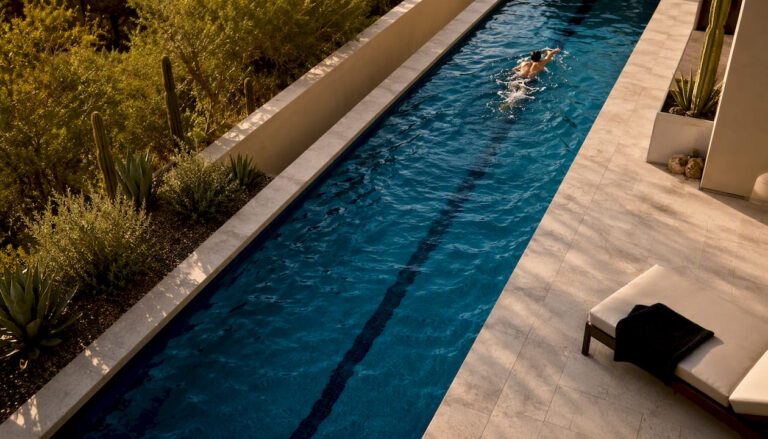
Cave Creek offers a very different environment compared to many of the master-planned communities across the Phoenix metro area. Instead of tightly spaced homes and predictable backyard layouts, many properties here sit on larger desert parcels surrounded by natural terrain, mountain views, and native Sonoran desert landscape.
For homeowners planning a pool project in Cave Creek, this means the design process needs to start differently.
In many suburban neighborhoods, pools are often placed in the center of a backyard with the rest of the landscape built around them. In Cave Creek, the land itself often dictates where and how the pool should be built.
Slopes, desert washes, existing rock formations, and wide open views all influence the final layout. Instead of reshaping the land to force a typical pool design, successful projects begin by understanding how the pool can work with the natural terrain.
The goal isn’t simply to add a pool to the property. It’s to create an outdoor space that feels like a natural extension of the desert landscape that surrounds it.
Understanding Cave Creek Terrain Before Pool Design Begins
One of the most important steps in planning a pool in Cave Creek happens before any design drawings are created.
Unlike flat suburban lots, many Cave Creek properties contain subtle elevation changes, desert soil variations, and existing landscape features that affect construction. Even small changes in grade can influence how the pool sits on the property and how surrounding patios and seating areas will be arranged.
Before beginning the design phase, experienced builders often evaluate several site-specific factors:
• natural elevation changes across the lot
• drainage patterns during monsoon storms
• existing rock or desert features worth preserving
• orientation of the home and patio areas
• the direction of primary mountain views
These elements help determine where a pool will feel most natural within the property.
In some cases, a pool placed only a few feet differently can dramatically improve sightlines, patio flow, and overall backyard balance. This is why many homeowners exploring a Cave Creek pool builder for custom backyard construction start with a detailed site walk to evaluate the terrain before committing to a layout.
Taking time to understand the land often leads to better design decisions later in the project.
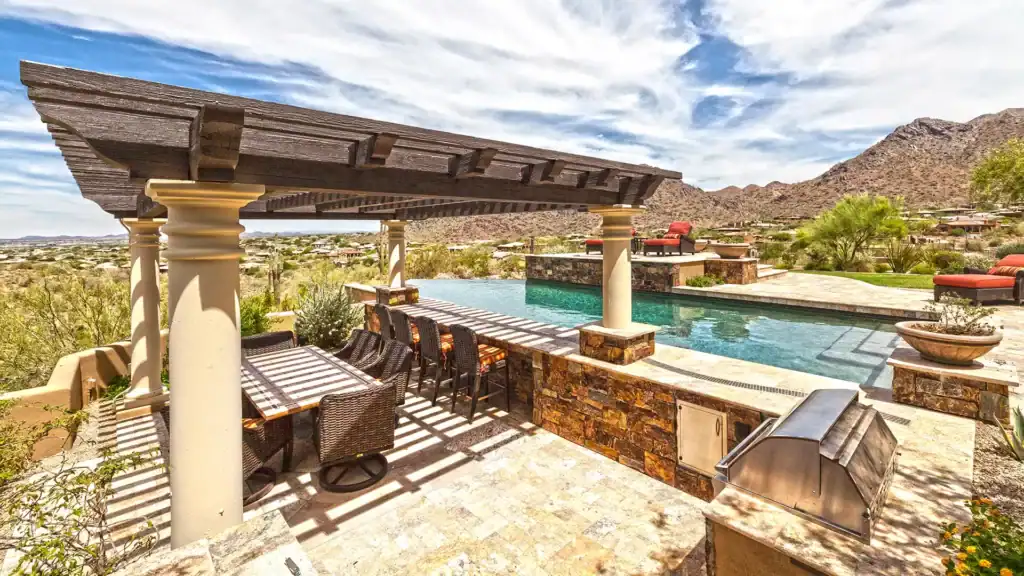
Designing Pools in Cave Creek That Protect Desert and Mountain Views
For many homeowners in Cave Creek, the surrounding landscape is one of the main reasons they chose to live there.
Views of Black Mountain, surrounding desert hills, and open Sonoran desert scenery are a defining feature of the area. Pool design should enhance these views rather than compete with them.
One common mistake is placing the pool without considering how it affects sightlines from the home or patio.
Experienced designers often look at the property from multiple vantage points:
• inside the home looking toward the backyard
• from patio seating areas
• from outdoor dining spaces
• from spa or lounge areas near the pool
Instead of positioning the pool purely for convenience, layouts can be oriented to frame views and keep sightlines open.
For example, aligning the long edge of the pool parallel with the horizon or mountain ridges can create a visual connection between the water and the surrounding landscape. Lower deck profiles and carefully placed seating areas can also help maintain unobstructed views.
When the design is planned thoughtfully, the pool becomes part of the scenery rather than something that blocks it.
Working With Natural Elevation on Cave Creek Desert Lots
Many Cave Creek properties include subtle slopes or elevation shifts that influence backyard design.
While some homeowners initially view this as a construction challenge, elevation can actually become one of the most interesting design elements of the project.
Rather than flattening the entire yard, designers may incorporate grade changes into the overall layout.
Examples of this approach include:
• tiered patio levels that follow the natural slope
• raised spa areas that overlook the pool
• step-down seating areas that create visual separation
• retaining walls integrated with desert landscaping
These features allow the backyard to feel more dynamic while still respecting the natural terrain of the property.
Careful grading and structural planning ensure that water drainage and soil stability are properly managed during construction. This is especially important in desert environments where sudden monsoon rains can impact poorly planned landscapes.
By working with the terrain instead of against it, homeowners often end up with outdoor spaces that feel more interesting and connected to the land.
Integrating Pools With Cave Creek’s Sonoran Desert Landscape
Another defining feature of Cave Creek backyard design is the surrounding desert environment.
Unlike suburban yards filled with turf and dense landscaping, desert properties often rely on native plants, natural textures, and open space to create visual balance.
Pool design should complement these elements rather than overpower them.
Many successful Cave Creek backyard projects incorporate features such as:
• native desert plants like agave, ocotillo, and desert spoon
• natural boulder placement around patios and pathways
• decomposed granite or desert gravel areas
• desert trees like palo verde or mesquite
• subtle landscape lighting that highlights the terrain at night
These elements allow the backyard to maintain its desert character while still supporting comfortable outdoor living.
When the pool, landscaping, and patio areas are planned together, the entire environment feels cohesive rather than segmented.
Many homeowners planning a custom outdoor environment begin exploring possibilities through custom pool design and landscape planning services to ensure these elements work together from the beginning.
Designing Outdoor Living Spaces That Fit the Cave Creek Lifestyle
Backyards in Cave Creek are often used differently than those in more densely developed parts of the Valley.
Because homes are typically surrounded by open desert, outdoor spaces become natural gathering areas during cooler evenings and mild winter months.
As a result, many backyard designs focus heavily on creating comfortable spaces around the pool where people can relax and entertain.
Common features include:
• shaded seating areas or ramadas
• outdoor kitchens and cooking areas
• fire pits or fire bowls for cooler evenings
• dining patios positioned toward sunset views
• spa areas designed for nighttime relaxation
The key is to create outdoor spaces that feel comfortable both during the day and after sunset.
When seating areas, lighting, and pool placement are planned together, the backyard becomes a natural extension of the home’s living space.
Avoiding Common Pool Design Mistakes in Cave Creek
Because Cave Creek properties are unique, pool design mistakes can sometimes occur when builders apply suburban design principles to desert terrain.
Some common issues include:
• placing the pool without considering mountain views
• ignoring natural drainage paths across the property
• overdeveloping the yard with excessive hardscape
• designing layouts that feel disconnected from the desert landscape
Working with an experienced builder who understands the area helps avoid these issues early in the planning process.
By evaluating terrain, views, and property layout before construction begins, homeowners can create outdoor spaces that feel intentional and balanced.
Yes. Many Cave Creek properties include desert terrain, elevation changes, and larger lots that require careful planning before construction begins.
Absolutely. Many homeowners choose to preserve native plants and desert terrain around portions of the backyard to maintain the natural character of the property.
Pools and patios can be oriented to align with view corridors, ensuring that sightlines remain open from both the home and outdoor seating areas.