TL;DR:
- Professional landscaping can increase a home’s value by 5% to 20%, adding significant equity. Routine maintenance and strategic tree planting offer the highest returns, while well-designed outdoor spaces attract buyers and accelerate sales. Spreading landscaping investments over ownership maximizes long-term property value and overall return on investment.
Professional landscaping is defined as one of the highest-return investments a homeowner can make, with the role of landscaping in home value documented at a 5% to 20% increase in market price. For a $400,000 home, that translates to $20,000 to $80,000 in added equity. Research from LawnLove, the National Association of Realtors, and Virginia Tech consistently confirms that outdoor improvements deliver returns that rival or exceed many interior renovations. Whether you are preparing to sell or building long-term equity, understanding which landscaping investments pay off is the most direct path to a stronger appraisal.
What is the role of landscaping in home value?
The impact of landscaping on property value is measurable, consistent, and well-documented across multiple real estate studies. Landscaping affects value in two distinct ways: it raises the appraised dollar figure, and it accelerates the sale by attracting more qualified buyers. Both outcomes are financially significant.
Curb appeal is the industry term real estate professionals use to describe a property’s visual impression from the street. It is not a soft metric. 97% of real estate agents identify curb appeal as a primary driver for attracting buyers. That figure means nearly every agent working with buyers today considers the exterior condition before recommending a showing.
The financial stakes are equally clear on the downside. Neglected yards lower sale price by 5% to 15%, costing thousands in lost value. A cleanup investment under $500 can prevent that markdown entirely. The gap between a maintained yard and a neglected one is one of the most cost-efficient value levers available to any homeowner.
Which landscaping elements drive the highest value increases?
Not all landscaping investments return equally. The elements that consistently produce the strongest financial results fall into three categories: trees, lawn maintenance, and design sophistication.
Mature trees
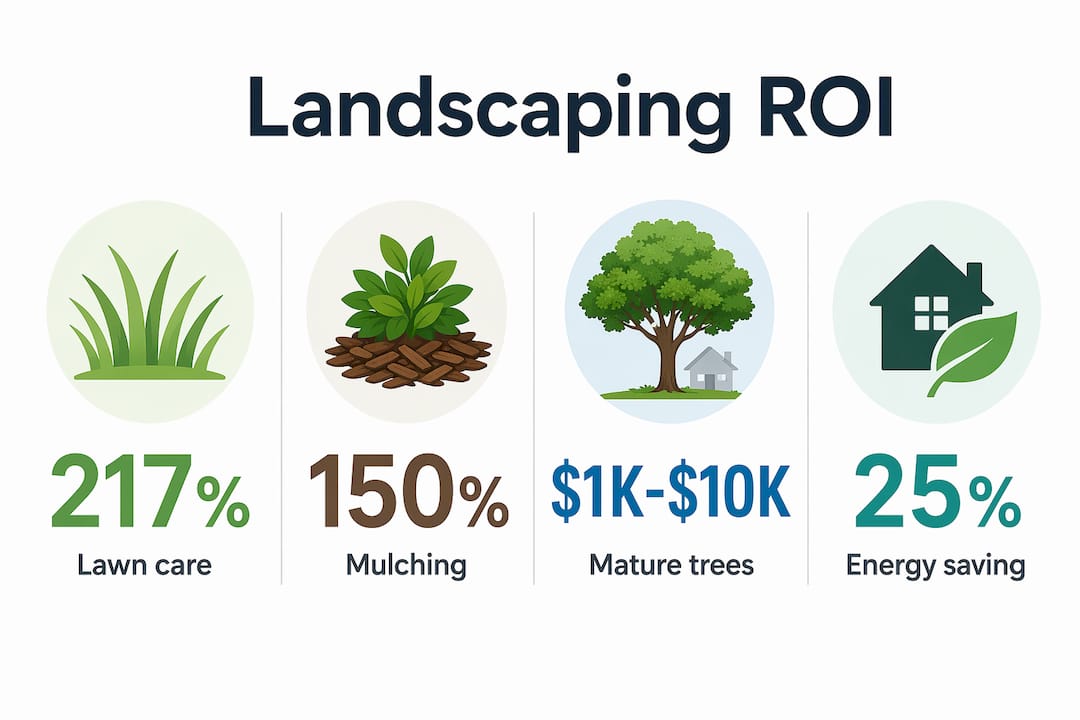
A single mature shade tree can add $1,000 to $10,000 in appraised value and reduce energy costs by up to 25%. Species, placement, and tree health all influence the final number. A well-placed oak or Arizona ash in the Phoenix area, for example, provides both aesthetic value and measurable cooling benefits that appraisers recognize.
Lawn care and routine maintenance
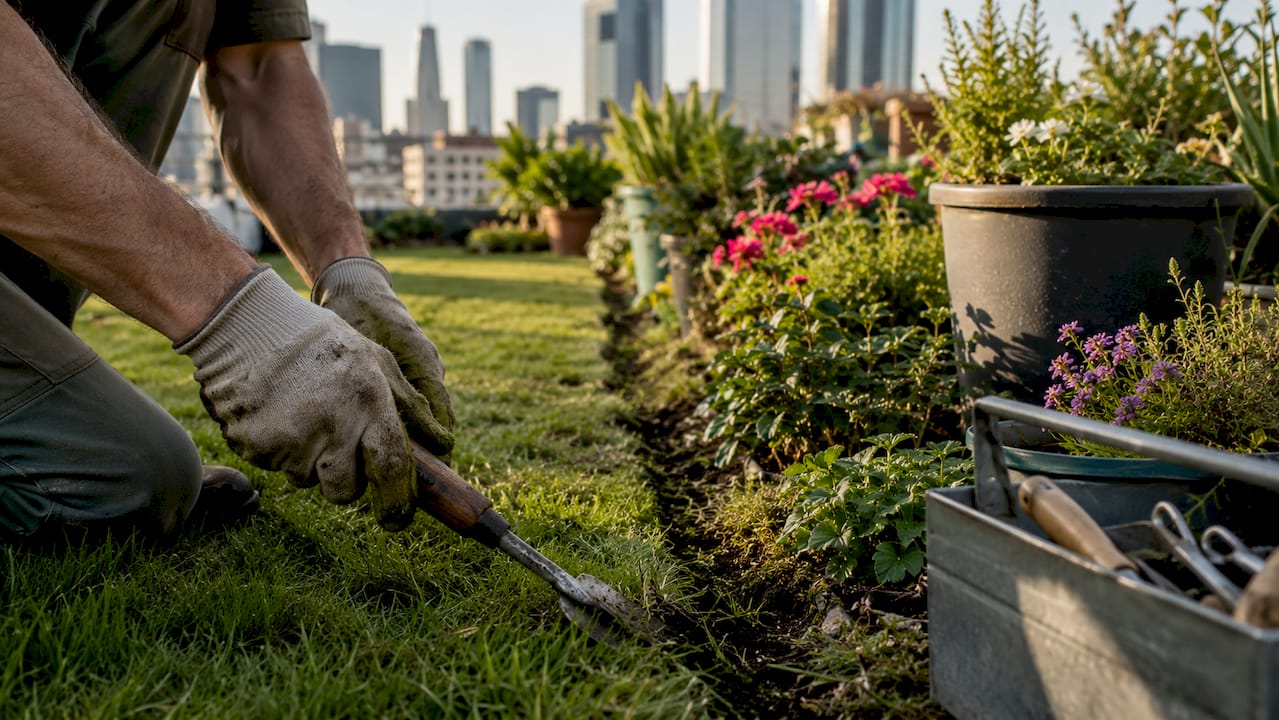
Basic lawn care, including mowing, edging, and seasonal maintenance, delivers up to 217% ROI at resale. Every dollar spent returns more than two dollars at closing. General upkeep such as mulching yields approximately 104% ROI. These numbers make routine maintenance the single most cost-efficient landscaping investment available.
Design sophistication and hardscape
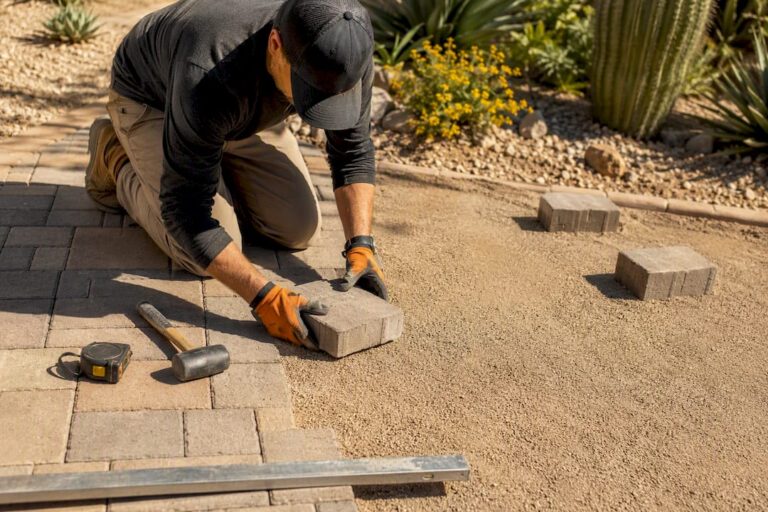
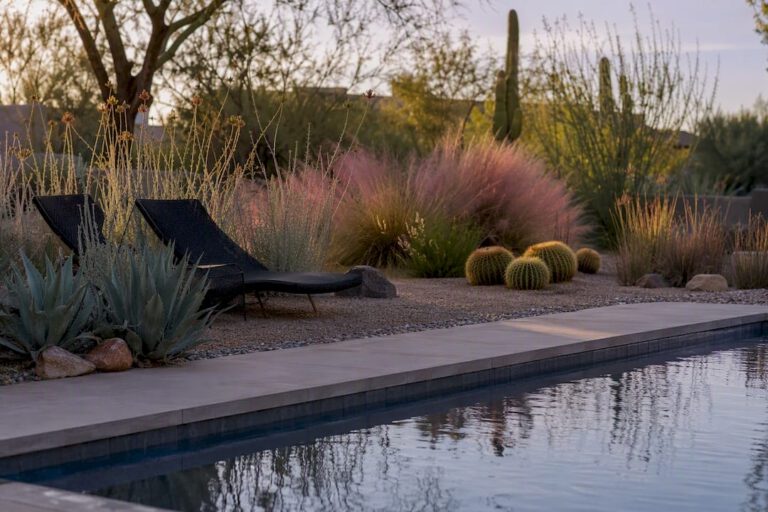
Layered plantings and design sophistication trigger the highest perceived value increases beyond simple lawn care. Varied textures, seasonal color, and structured planting beds signal intentional design rather than basic upkeep. Hardscape features such as patios, retaining walls, and landscape lighting add functional square footage and visual structure that buyers respond to directly.
The table below summarizes typical ROI ranges for common landscaping investments:
| Landscaping Feature | Typical ROI Range |
|---|---|
| Lawn mowing and edging | 150%–217% |
| Mulching and general upkeep | 100%–104% |
| Mature tree planting | Variable, $1,000–$10,000 added value |
| Layered planting design | High perceived value increase |
| Patio or hardscape installation | 50%–80% direct ROI, plus lifestyle premium |
| Landscape lighting | 50%–75% ROI |
Pro Tip: Focus on lawn maintenance and tree health before investing in decorative features. The foundational elements deliver the strongest returns and set the stage for higher-end improvements to perform well.
How does landscaping influence buyer perceptions and speed of sale?
Buyer psychology plays a direct role in how landscaping translates to offers and sale timelines. The mechanism is called the “halo effect.” A neat, well-maintained exterior signals a well-maintained interior, leading buyers to assume the home has been cared for throughout. That assumption increases buyer confidence and reduces the likelihood of aggressive price negotiations.
The practical result is faster sales and higher offers. Homes with strong curb appeal consistently sell faster than comparable properties with neglected yards. Buyers form opinions within seconds of arriving at a property, and landscaping is the first variable they evaluate.
“Curb appeal shapes buyer decisions before they ever walk through the front door. Excellent landscaping aids faster, higher-priced sales by creating an immediate impression of quality and care.” — LawnLove, 2026
Landscaping also functions as additional functional space, which is a factor buyers increasingly weigh in their offers. A well-designed backyard with a patio, outdoor kitchen, or defined seating area is not just aesthetic. It adds usable square footage that buyers mentally include in their value calculation.
Key buyer perception factors influenced by landscaping:
- First impression: Buyers decide within seconds whether a home feels well-maintained
- Interior assumption: A clean exterior leads buyers to expect a clean, cared-for interior
- Lifestyle projection: Outdoor living spaces help buyers visualize how they will use the home
- Negotiation leverage: Strong curb appeal reduces buyer motivation to negotiate the price down
You can explore specific curb appeal improvements that directly influence buyer perception and attract stronger offers.
How to invest smartly in landscaping to maximize home value
The most common mistake homeowners make is spending too much too late. A rushed landscaping upgrade in the final weeks before listing rarely delivers the same return as improvements spread across the ownership period.
The recommended investment range is 5% to 10% of property value over the ownership life. On a $400,000 home, that means $20,000 to $40,000 invested gradually, not all at once before the for-sale sign goes up. Spreading improvements over time allows plants to mature, trees to establish, and the overall design to develop the visual depth that buyers respond to.
Here is a practical framework for prioritizing landscaping investments:
- Start with maintenance fundamentals. Mowing, edging, mulching, and irrigation keep the baseline in strong condition and deliver the highest ROI per dollar spent.
- Add trees early in ownership. Mature trees add the most value. Planting early gives them time to grow and establish before you sell.
- Invest in design sophistication mid-ownership. Layered planting beds, defined borders, and seasonal color require time to fill in and look intentional.
- Add hardscape and outdoor living features. Patios, backyard patio construction, and outdoor kitchens extend usable space and deliver strong lifestyle premiums.
- Refresh and maintain before listing. Final cleanup, fresh mulch, and seasonal color plants are the last-mile investments that close the gap between a good yard and a great first impression.
Avoid over-personalized features with limited buyer appeal. Elaborate koi ponds and highly customized water features often reduce resale value because they appeal to a narrow buyer pool and raise maintenance concerns. The goal is broad appeal, not personal expression.
Pro Tip: Invest in professional landscaping advantages early in your ownership period. Plants and trees need years to mature, and a professionally designed yard looks dramatically different after three years of growth than it does at installation.
How does landscaping ROI compare to other home improvements?
Landscaping consistently outperforms several common interior renovations on a percentage-return basis. This is a fact that surprises many homeowners who default to kitchen and bathroom upgrades as their primary value-building strategy.
| Home Improvement | Typical ROI Range |
|---|---|
| Lawn care and maintenance | 150%–217% |
| Landscaping design and planting | 100%–150% |
| Minor kitchen remodel | 70%–80% |
| Bathroom remodel | 60%–70% |
| Roof replacement | 60%–68% |
| Major kitchen remodel | 40%–60% |
The numbers above reflect a consistent pattern: lower-cost, high-visibility improvements return more per dollar than large structural renovations. Landscaping sits at the top of that list because the cost of entry is relatively low and the buyer perception impact is immediate.
Outdoor living spaces add a dimension that interior renovations cannot replicate. A custom patio or outdoor kitchen extends the functional footprint of the home without requiring permits for enclosed square footage in most jurisdictions. Buyers in markets like Phoenix, Scottsdale, and Chandler actively seek outdoor living features because the climate supports year-round use. That demand translates directly to higher offers and faster closings.
The financial case for landscaping is also cumulative. A homeowner who invests consistently over a 10-year ownership period benefits from both the appreciation of mature plantings and the compounding effect of a well-maintained property that never loses curb appeal momentum.
Key takeaways
Landscaping is the highest-ROI exterior investment a homeowner can make, with consistent returns of 100%–217% on maintenance and measurable value increases of 5%–20% on overall property price.
| Point | Details |
|---|---|
| Landscaping adds 5%–20% to home value | A $400,000 home can gain $20,000–$80,000 through professional landscaping. |
| Lawn care delivers the highest ROI | Mowing, edging, and mulching return 104%–217%, making maintenance the top priority. |
| Curb appeal drives buyer decisions | 97% of real estate agents cite curb appeal as a primary factor in attracting buyers. |
| Invest 5%–10% of home value over time | Spreading landscaping investment across ownership yields better returns than last-minute upgrades. |
| Avoid over-personalized features | Koi ponds and niche water features reduce buyer appeal and can lower resale value. |
Why landscaping is the most underrated asset in your property portfolio
I have watched homeowners spend $60,000 on a kitchen remodel and then list a home with a patchy lawn and overgrown shrubs. The kitchen gets compliments at the open house. The yard gets photographed from the worst angle and quietly costs them $15,000 in negotiated price reductions.
The data on landscaping ROI is not new. What is new is how aggressively buyers in 2026 are pricing outdoor living into their offers. In Phoenix and Scottsdale, where outdoor space is usable 10 months of the year, a well-designed backyard is not a bonus. It is a primary selling feature. I have seen comparable homes in Chandler sell $30,000 apart based almost entirely on the quality of the outdoor space.
The mistake I see most often is treating landscaping as a cosmetic afterthought. Homeowners who invest in landscaping before listing at the last minute get a fraction of the return compared to those who planned their outdoor space with resale in mind from the beginning. Trees take years to mature. Design sophistication takes seasons to develop. You cannot manufacture that in six weeks.
My honest recommendation: treat your yard the same way you treat your retirement account. Contribute consistently, choose investments with broad appeal, and let time do the work. The homeowners who do this do not just sell faster. They sell at prices that make the investment look obvious in hindsight.
— Philipp
Transform your outdoor space with Uniquecompanies
If you are ready to build outdoor value that buyers and appraisers both recognize, Uniquecompanies has spent over 24 years designing and building luxury outdoor environments across Phoenix, Scottsdale, Chandler, and Queen Creek. From custom pools and spas to fully equipped outdoor kitchens and hardscape features, every project is designed with both lifestyle and long-term property value in mind.
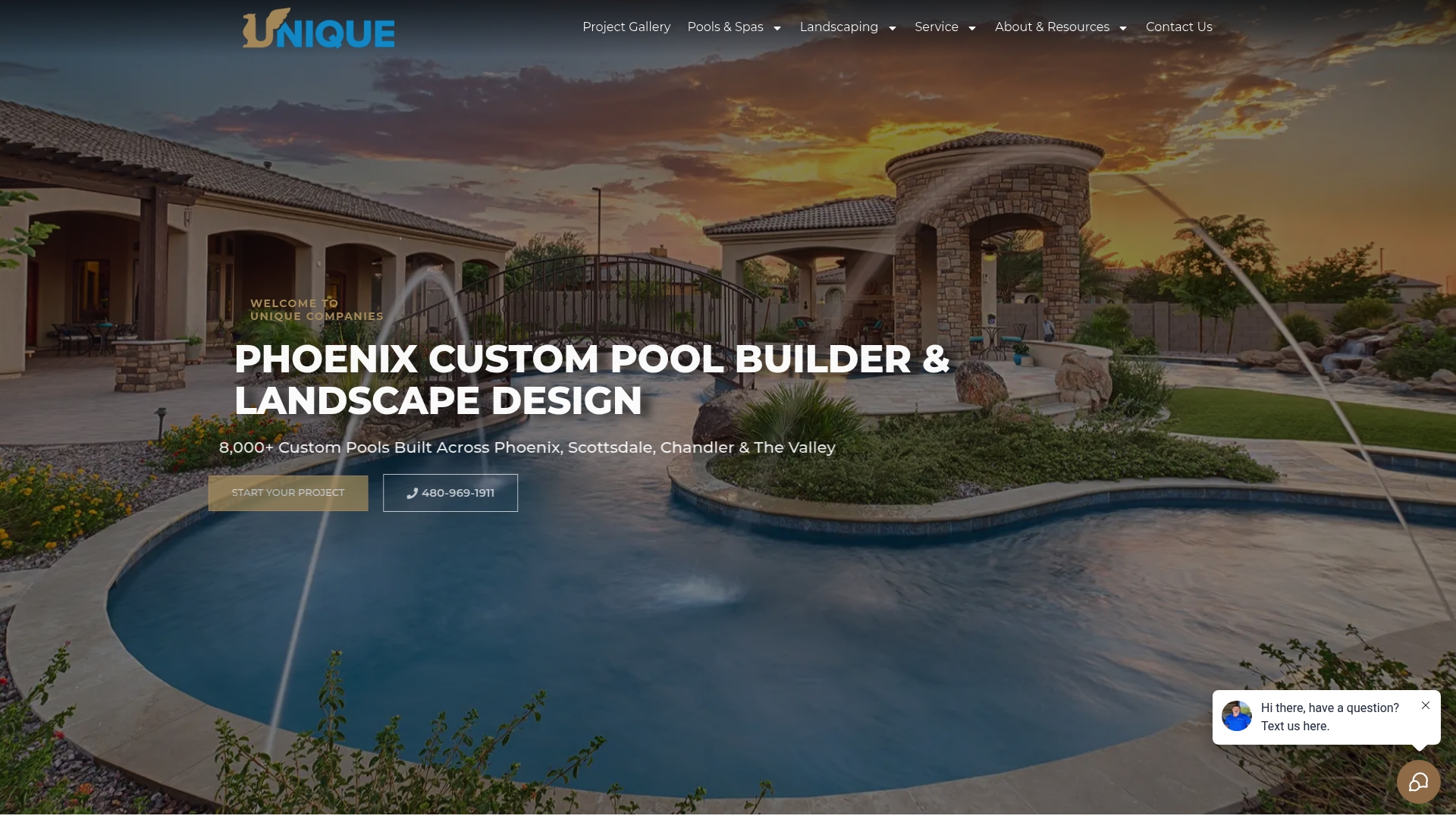
Uniquecompanies handles design, permitting, and construction in-house, which means your project moves from concept to completion without delays or coordination gaps. Explore their custom pool features to see how a professionally designed outdoor environment can add measurable equity to your home while giving you a space you will use every day.
FAQ
How much does landscaping increase home value?
Professional landscaping can increase a home’s market value by 5% to 20%, depending on the quality and scope of improvements. On a $400,000 home, a 10% increase adds $40,000 in value.
What landscaping has the highest ROI?
Basic lawn care including mowing, edging, and mulching delivers 104%–217% ROI at resale, making it the highest-return landscaping investment per dollar spent.
Does curb appeal really affect sale price?
Yes. 97% of real estate agents identify curb appeal as a primary factor in attracting buyers, and neglected yards can lower sale price by 5%–15% compared to well-maintained properties.
How much should I spend on landscaping before selling?
The recommended investment is 5%–10% of your home’s value spread over the ownership period, not concentrated in the weeks before listing. Last-minute upgrades return less than improvements that have had time to mature.
Do outdoor living spaces add value to a home?
Outdoor living spaces such as patios and kitchens extend usable square footage and consistently translate to higher offers and faster sales, particularly in markets like Phoenix where outdoor use is year-round.