TL;DR:
- Personalized backyard design focuses on creating outdoor spaces tailored to individual lifestyles, property conditions, and long-term goals. It emphasizes site analysis, functional zones, and native plants to enhance usability, aesthetics, and property value. The process involves detailed consultation, phased implementation, and thoughtful placement of features for maximum impact.
Most backyards are built around what’s easy to install, not what’s meaningful to live in. Personalized backyard design changes that equation entirely. It’s the practice of shaping your outdoor space around your specific lifestyle, property conditions, and long-term goals rather than applying a one-size-fits-all formula. 77% of homeowners in 2026 are choosing tailored outdoor spaces over generic layouts, and the reasons go well beyond aesthetics. This guide covers the core components, the design process, and the practical best practices that separate a truly personalized backyard from a yard that just looks finished.
Table of Contents
- Key takeaways
- What personalized backyard design really means
- The personalized backyard design process
- Innovative ideas and best practices
- Common challenges and how to address them
- How personalized design adds real value
- My perspective on what personalized design actually requires
- See your personalized backyard take shape with Unique Companies
- FAQ
Key takeaways
| Point | Details |
|---|---|
| Personalization goes beyond aesthetics | A custom yard layout addresses lifestyle, circulation, and climate just as much as visual appeal. |
| Process drives results | Starting with a site survey and clear goals prevents costly design changes during construction. |
| Phased design is practical | Installing hardscape and trees first manages budget over time without sacrificing the end vision. |
| Native plants reduce ongoing costs | Selecting climate-appropriate plants cuts water use and long-term maintenance significantly. |
| Investment returns are measurable | Personalized landscape design raises property value and buyer appeal in documented ways. |
What personalized backyard design really means
Personalized backyard design is a methodology, not just a style choice. It starts with a detailed assessment of who you are, how you use outdoor space, and what your specific property demands, then translates those findings into a coherent design. The result is a yard that fits your life rather than a catalog idea of what a yard should look like.
Generic landscaping typically installs sod, a patio slab, and a few shrubs in locations that are convenient for the contractor. Personalized landscape design works differently. It accounts for your site’s topography, prevailing sun angles, soil quality, and drainage patterns before a single plant gets selected. These physical factors shape every decision that follows, from where you place a shade structure to how you route a path between the back door and the pool.
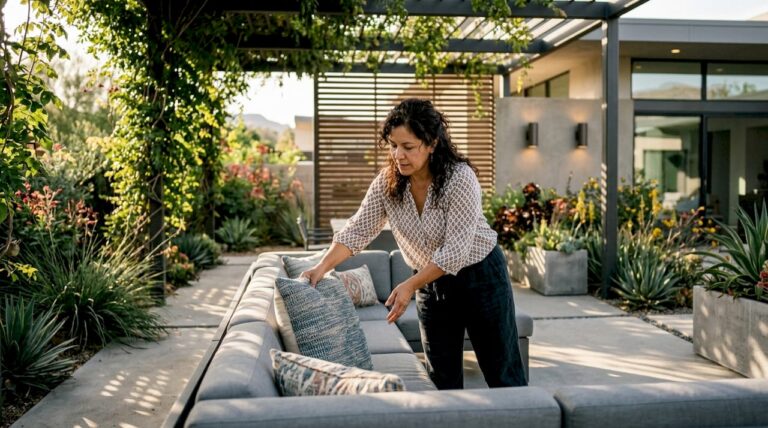
The lifestyle layer is equally specific. A family with young children needs open lawn and sight lines from the kitchen window. A homeowner focused on entertaining wants a defined outdoor kitchen zone with logical flow from the indoor living area to a seating area and then to a fire feature. Someone prioritizing wellness might center the design around a spa and relaxation zone surrounded by dense planting that creates acoustic and visual privacy.
Three design elements consistently define whether a backyard feels personalized or generic:
- Outdoor rooms: Distinct zones organized around specific activities, connected by clear pathways
- Circulation: Intuitive movement paths that guide people through the yard without confusion or backtracking
- Focal points: Intentional visual anchors, such as a water feature, specimen tree, or fire element, that give each zone a clear identity
Pro Tip: Before any design work begins, spend one week noting how you actually move through your current yard at different times of day. Where do you walk most? Where do you avoid? That behavioral data is more valuable than any mood board.
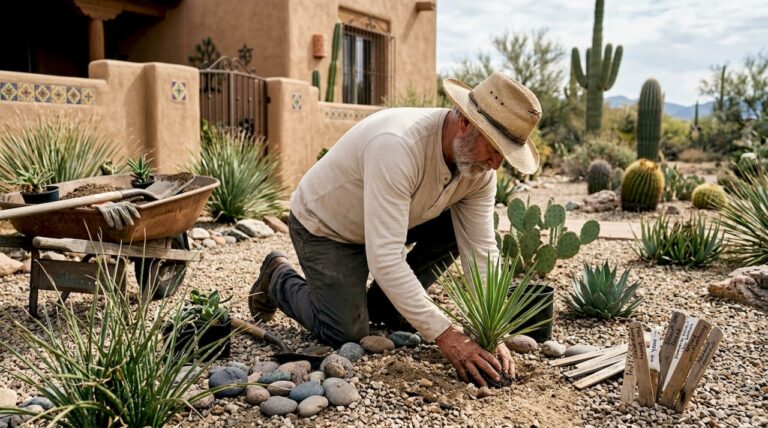
Using locally appropriate and native plants further deepens personalization. Native species reduce water usage and create durable landscapes that align with regional conditions rather than fighting them, which matters significantly in Arizona’s climate.
The personalized backyard design process
Understanding how a professional custom yard layout gets developed helps you set realistic expectations and participate meaningfully at each stage. The process follows a consistent sequence regardless of project size.
Initial consultation and goal setting: The designer listens first. Successful designs begin with deep listening to homeowner lifestyle, clarifying and sharpening your vision rather than imposing a preset aesthetic. You discuss how you use outdoor space, what you want to add, your budget range, and your timeline.
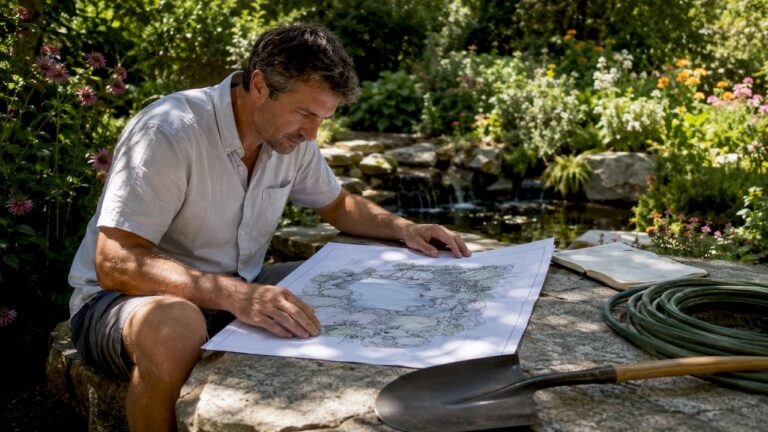
Site survey and data gathering: A thorough site analysis documents sun and shade patterns, slope gradients, soil conditions, existing utilities, drainage flow, and any structures or trees that will remain. This data becomes the factual foundation for every design decision.
Conceptual design and feedback: The designer produces initial plans, often accompanied by 3D visualizations that let you see spatial relationships before anything gets built. You review, provide feedback, and the design is refined through one or more iterations until the plan accurately reflects your goals.
Permitting and contractor coordination: In jurisdictions like Scottsdale and Chandler, certain elements including pools, outdoor structures, and electrical work require permits. A firm that handles permitting in-house, as Unique Companies does, removes a significant logistical burden from the homeowner.
Phased implementation: Installing hardscape and trees first is a well-established practice that spreads costs over two to three years while prioritizing the elements that take the longest to mature or settle. Softscape planting and finishing details follow in subsequent phases.
Final walkthrough and maintenance planning: A completed personalized design includes guidance on upkeep specific to the plants, materials, and systems installed, not a generic maintenance checklist.
If you prefer to explore the planning phase yourself before engaging a professional, tools like Backyard Buddy can help you visualize basic layouts and identify priorities before your first consultation.
Innovative ideas and best practices
The most effective personalized garden designs share a few qualities that separate them from yards that look attractive in photos but feel awkward to live in. The table below contrasts common design approaches with more considered alternatives.
| Generic approach | Personalized best practice |
|---|---|
| One large patio slab | Multiple connected zones scaled to specific activities |
| Uniform perimeter planting | Layered planting with varied heights and textures by zone |
| Standard overhead lighting | Strategic low-voltage task and ambient lighting by area |
| Decorative fountain placed centrally | Water feature positioned to mask noise and define zones |
| Lawn filling remaining space | Lawn only where it serves a functional purpose |
Creating distinct outdoor rooms is the single most effective technique for making a backyard feel larger and more functional. Segmenting your yard into zones enhances both function and flow while respecting the natural contours and conditions of the site. A dining zone near the outdoor kitchen, a conversation area near a fire feature, and a separate play or lawn zone each serve distinct purposes without competing visually.
Wellness features are becoming a defining element of individualized outdoor aesthetics. Saunas, hot tubs, and spa zones are now sought-after additions that increase both personal enjoyment and property desirability. When these elements are placed with natural transitions rather than rigid geometric edges, they feel embedded in the terrain rather than dropped onto it.
For planting schemes, the rule of three produces reliable results. Planting in odd-numbered groups of three, five, or seven creates visual rhythm and balance across a bed, preventing the spotty, disconnected look that comes from single specimen placement.
Pro Tip: Vertical elements, including trellises, planted walls, and tall ornamental grasses, are the most underused tools in small yard design. They add visual depth without consuming ground-level square footage.
Lighting and water features extend usability well beyond daylight hours and create focal points that make a yard feel finished and deliberate. The key is restraint: one well-placed water feature and a layered lighting plan outperform multiple competing elements every time.
Common challenges and how to address them
Even well-planned projects encounter obstacles. Anticipating these challenges allows you to make decisions proactively rather than reactively.
- Budget overruns: The most reliable protection against cost surprises is a phased design plan with a clear scope for each phase. Landscape design costs vary widely based on scope, so establishing a realistic range early and building in a contingency of 10 to 15 percent is standard practice.
- Difficult site conditions: Slopes, rocky soil, and poor drainage are constraints, not deal-breakers. A sloped yard can become a tiered design with retaining walls and steps that create visual interest. Poor soil gets amended or replaced in planting beds. These conditions require expertise, but they’re solvable problems.
- Circulation as an afterthought: This is arguably the most common design error. Designers resolve movement paths first before placing features because circulation determines usability. A yard with a beautiful pool that requires walking around furniture to reach it will frustrate daily use. Path placement is a structural decision, not a cosmetic one.
- Aesthetic mismatch with the home: A personalized backyard should feel like a natural extension of your home’s architecture and interior style. A contemporary home with a cottage garden creates visual dissonance that works against both. Consistency in material palette and design language ties indoor and outdoor spaces together.
- Overloading the design: More features do not produce more satisfaction. Every element added to a yard increases the complexity of construction, the cost of maintenance, and the visual noise the space has to resolve. Editing is part of design.
How personalized design adds real value
The returns on personalized outdoor spaces are measurable across multiple dimensions. The data below illustrates key value categories.
| Value category | Documented benefit |
|---|---|
| Property market value | Custom landscaping raises buyer interest and perceived living area |
| Daily usability | Functional outdoor zones extend living space year-round |
| Wellness outcomes | Defined outdoor wellness spaces support relaxation and stress reduction |
| Long-term cost savings | Native and climate-adapted plants reduce water and maintenance costs over time |
| Curb appeal | Cohesive design increases visual appeal from street level and at resale |
The daily quality-of-life impact tends to surprise homeowners who focus primarily on resale value when planning. A well-planned outdoor living area becomes an active part of daily life rather than a space used twice a year for gatherings. In a climate like Arizona’s, where outdoor conditions are usable for much of the year when designed correctly, this daily utility is a practical gain that pays back the investment continuously.
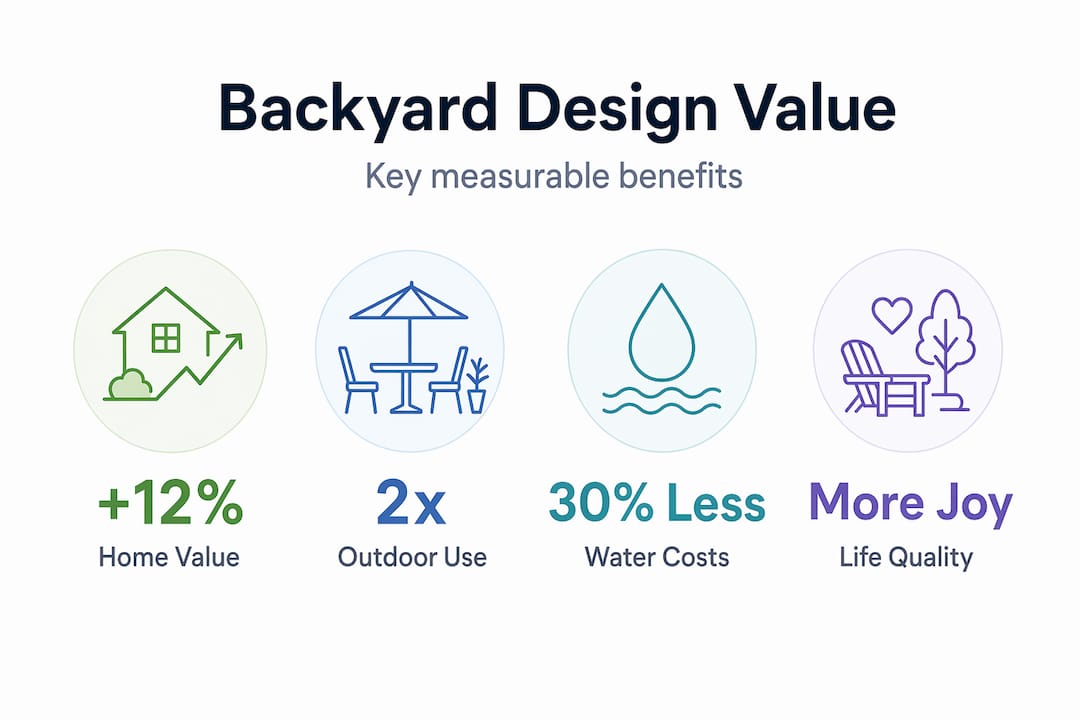
Tailored landscaping solutions also produce long-term savings that offset initial design costs. Climate-adapted plants, permeable paving that reduces irrigation runoff, and shading structures that lower adjacent indoor cooling loads all contribute to reduced operating costs over the life of the property.
See your personalized backyard take shape with Unique Companies
Unique Companies has spent over 24 years designing and building custom outdoor living environments across Scottsdale, Chandler, Queen Creek, and the greater Phoenix area. Every project begins with a thorough consultation and site analysis, followed by 3D design visualizations that let you see your space before construction begins.
Their in-house team handles design, permitting, and construction as a single coordinated process, removing the friction that comes from managing multiple contractors. Whether you’re planning custom pool features, an outdoor kitchen, or a full luxury landscaping installation, Unique Companies brings the same structured, detail-oriented approach to every phase. Explore their portfolio and request a consultation to start defining what your personalized outdoor space can become.
FAQ
What is personalized backyard design?
Personalized backyard design is the process of creating a custom outdoor space based on your specific lifestyle, property conditions, and goals rather than applying a generic layout. It integrates site analysis, lifestyle planning, and deliberate design choices to produce a yard that functions and feels built specifically for you.
How does personalized backyard design differ from standard landscaping?
Standard landscaping installs common elements in convenient locations. Personalized design starts with understanding how you live, then builds a space around those behaviors, using your site’s specific conditions, your aesthetic preferences, and your budget to guide every decision.
What does a personalized backyard design process look like?
The process typically moves from initial consultation and site survey through conceptual design, permitting, phased construction, and final maintenance planning. Each phase incorporates homeowner feedback to keep the outcome aligned with the original goals.
How much does personalized backyard design typically cost?
Costs range widely based on scope, from targeted upgrades to full luxury transformations. A phased approach, starting with hardscape and trees, manages budget effectively by spreading investment across two to three years while working toward a complete design vision.
Does personalized landscape design increase home value?
Yes. Custom landscape design raises curb appeal, increases perceived living area, and improves buyer interest at resale. Wellness features and functional outdoor zones are particularly effective at adding measurable property desirability.